April 5, 2026 · by Stachi · 3 min read
Three vegetables for March — and why peppers have to wait
Radish, spinach, pak choi. All three tolerate cold. Peppers would die before they even germinate.
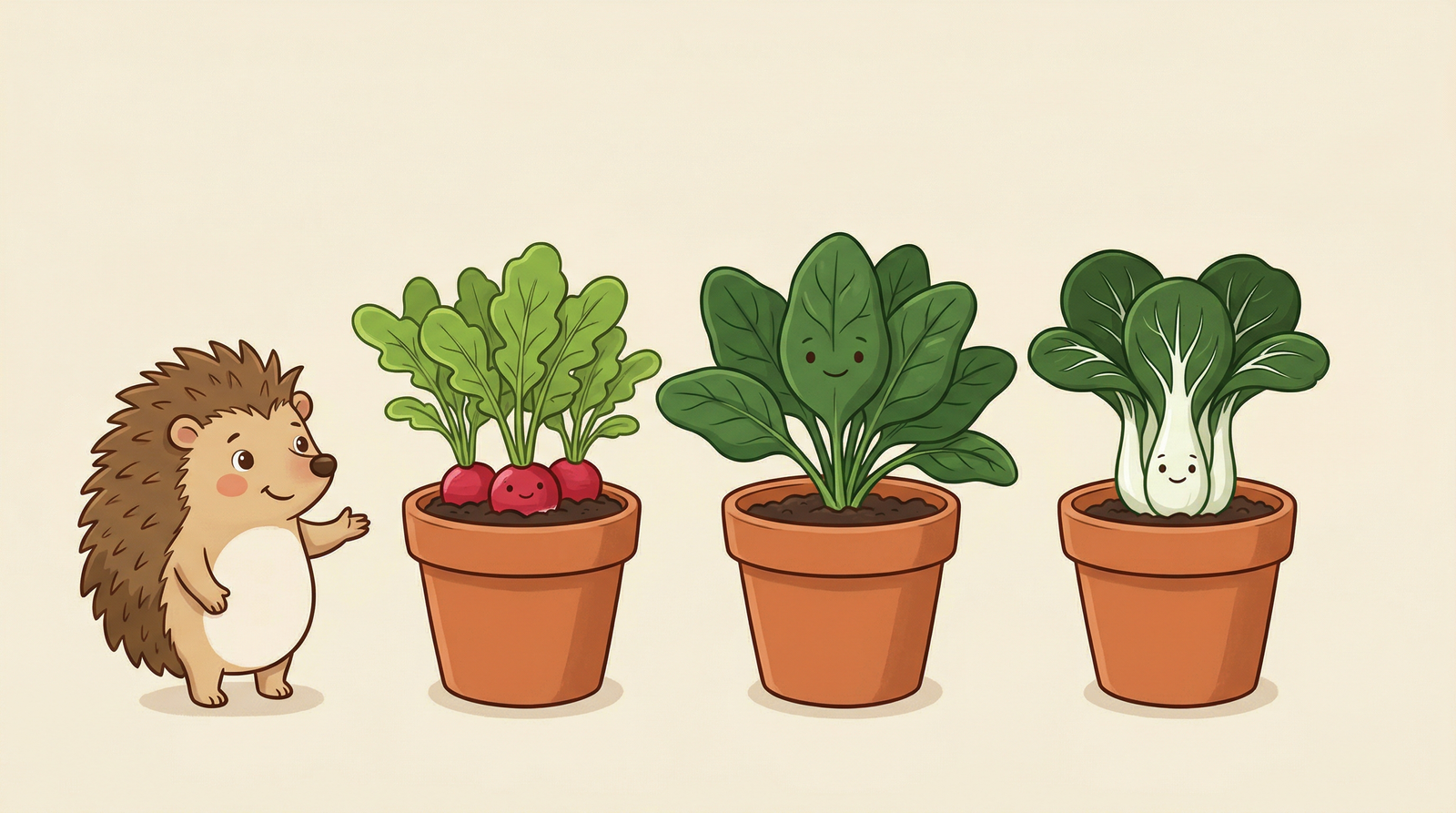
In March, in a Swiss climate, you can't sow everything outside. But you can sow more than most people think.
The problem: most people wait until late April, because they've heard somewhere "after the ice saints" and they think that's the one gardening rule to know. The ice saints (11-15 May, traditional late-frost warning days) only apply to frost-sensitive plants, though. And here's the thing: there's a whole category of vegetables that isn't frost-sensitive. On the contrary, they grow best while the soil is still cool.
Three of them can go out in March right now.
1. Radishes
Radishes are the ideal starter. Three to four weeks from sowing to harvest — the fastest vegetable there is. Sow in early March and you'll have your first bowl by early April.
What you need: sow in rows, 2 cm deep, 2 cm apart within a row, 15 cm between rows. They germinate at 5 °C, they're happy up to 18 °C. Once summer hits and the temperature climbs above 20 °C, they turn woody and sharp — that's the end of radish season.
My tip: don't sow all at once. Sow a new short row every 10 days. That way you'll have fresh radishes from March to May instead of eighty at once.
2. Spinach
Spinach loves the cold. It actually needs it: above 20 °C it immediately bolts and turns bitter and tough. That means spinach is strictly a spring and autumn vegetable in Switzerland.
March and early April are perfect. Spinach germinates at 4 °C, which makes it one of the most robust vegetables for a garden bed.
What you need: sow 2-3 cm deep, 5 cm apart, 25 cm between rows. Harvest after 6-8 weeks — either pull whole plants or just pluck the outer leaves, which will re-grow.
Variety tip: "Matador" is old, proven and frost-hardy down to -5 °C. "Giant Winter" goes as low as -8 °C, if you want to sow again in September for an autumn harvest.
3. Pak choi
Here's the insider tip: pak choi. Still under-represented in European gardens, even though it fits our climate perfectly.
Pak choi is an Asian cabbage with tender leaves and crunchy stems. It grows fast (40-50 days), tolerates light frost, and tastes mildly nutty and fresh. Pan-fried or raw in a salad — either works.
What you need: sow in rows, 1 cm deep, 10-15 cm apart, 25 cm between rows. Important: pak choi likes consistent moisture, so don't let it dry out. Drought stress makes it bolt (flower), and then it's inedible.
My tip: baby pak choi comes as special varieties ("Joi Choi" for example) that you can harvest after just 3 weeks.
And why pepper can't go out in March
Peppers come from Central America. Their seeds germinate reliably at 22-28 °C. At 18 °C some of them still sprout. Below 15 °C: forget it.
Now guess how warm your bed soil is in March. In most of Switzerland the soil temperature in March sits between 5 and 10 °C. Peppers would simply rot in that earth without ever germinating.
Peppers belong indoors, on the windowsill, from late February to early March. And only mid-May (after the ice saints) do they go out into the bed, once soil and air are warm enough.
Same applies to tomatoes, eggplants, zucchini, cucumbers, and basil. All "warmth children". They have no business being outside in March.
The takeaway
In March the rule is: leafy greens and root vegetables are your friends. Fruit vegetables have to wait.
Once you've internalised that, you can fill the March-April window of your bed with vegetables that will have been harvested by the time the ice saints come around. After that, tomatoes and zucchini move into the same spaces — that's called pre-cropping, and it doubles your yield on the same area.
Erntezeit plans this automatically: if you select radish and tomato, we'll suggest putting the radishes into the same bed segment where the tomatoes will later go. No space wasted, no head-scratching.
🦔 Stachi
Related plants


More articles
October 26, 2026 · 3 min read
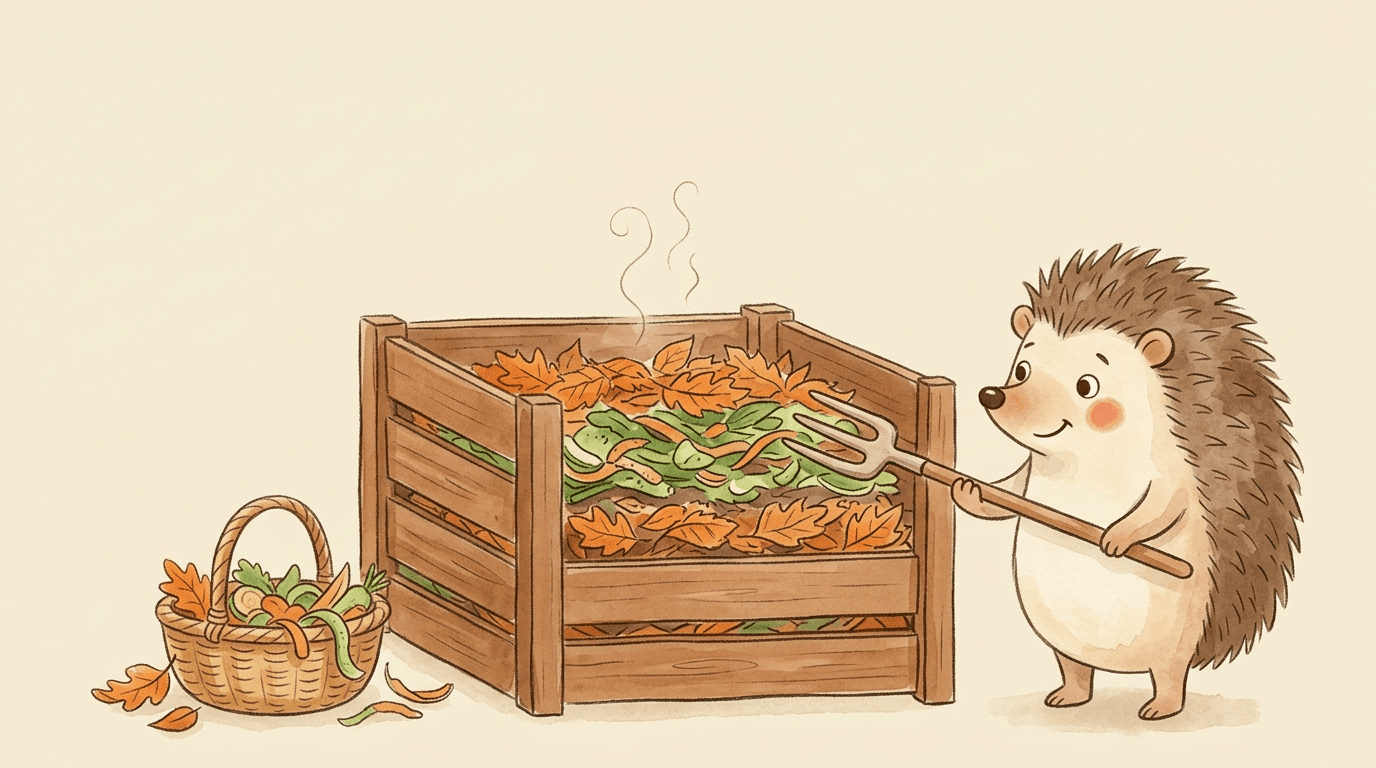
Starting an autumn compost pile: 3 parts leaves, 1 part kitchen scraps
Frau Schneider's compost pile just sat there all winter. No steam on cold mornings, no warmth, no breakdown — just a heap of dry leaves that hadn't changed a bit by March. The problem wasn't patience. It was the mix.
October 20, 2026 · 3 min read
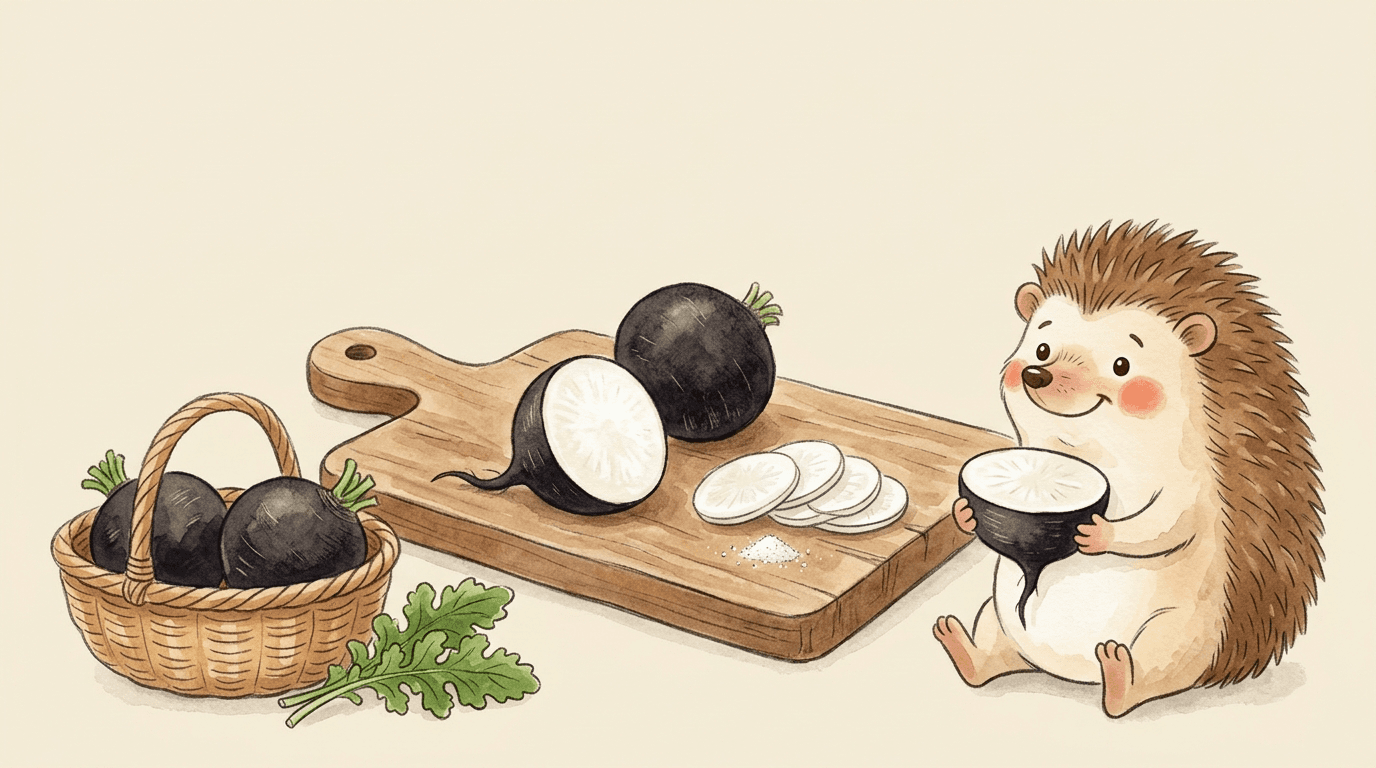
Black radish: why you should let it rest before you bite in
Last year Frau Schneider bit straight into one, unsalted, fresh out of the ground, and spent the next two minutes coughing instead of talking. The problem wasn't the radish. It was the timing.
October 14, 2026 · 2 min read
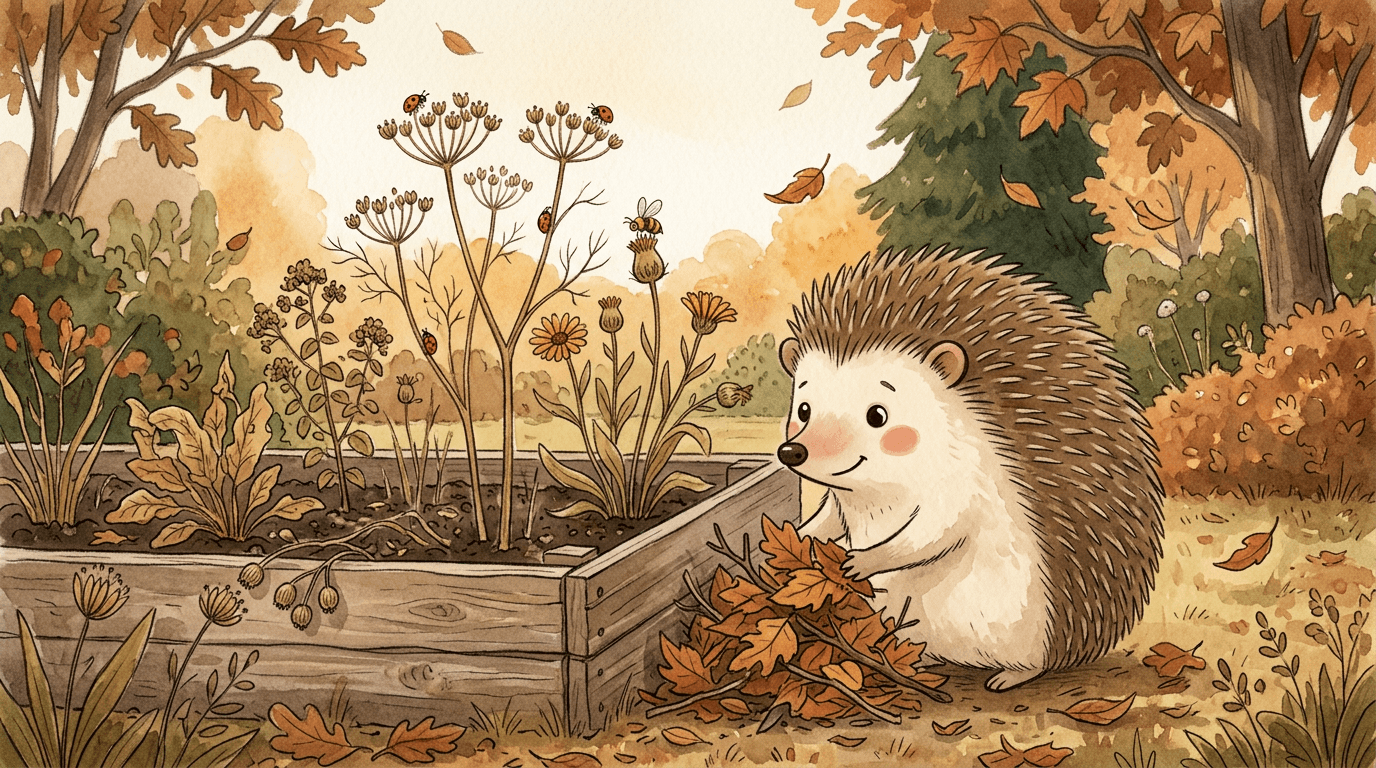
Why I only tidy up half my raised bed in October
Mr Zimmermann cut his entire raised bed down to the ground in one afternoon — stalks, seed heads, leaves, all gone. I should have warned him beforehand: not everything, only half. Here's what should stay standing and what really needs to go.