March 12, 2026 · by Stachi · 2 min read
Why your raised bed doesn't need a spreadsheet
I spent three years trying to plan my garden with apps. Here's why I stopped — and what I do instead.
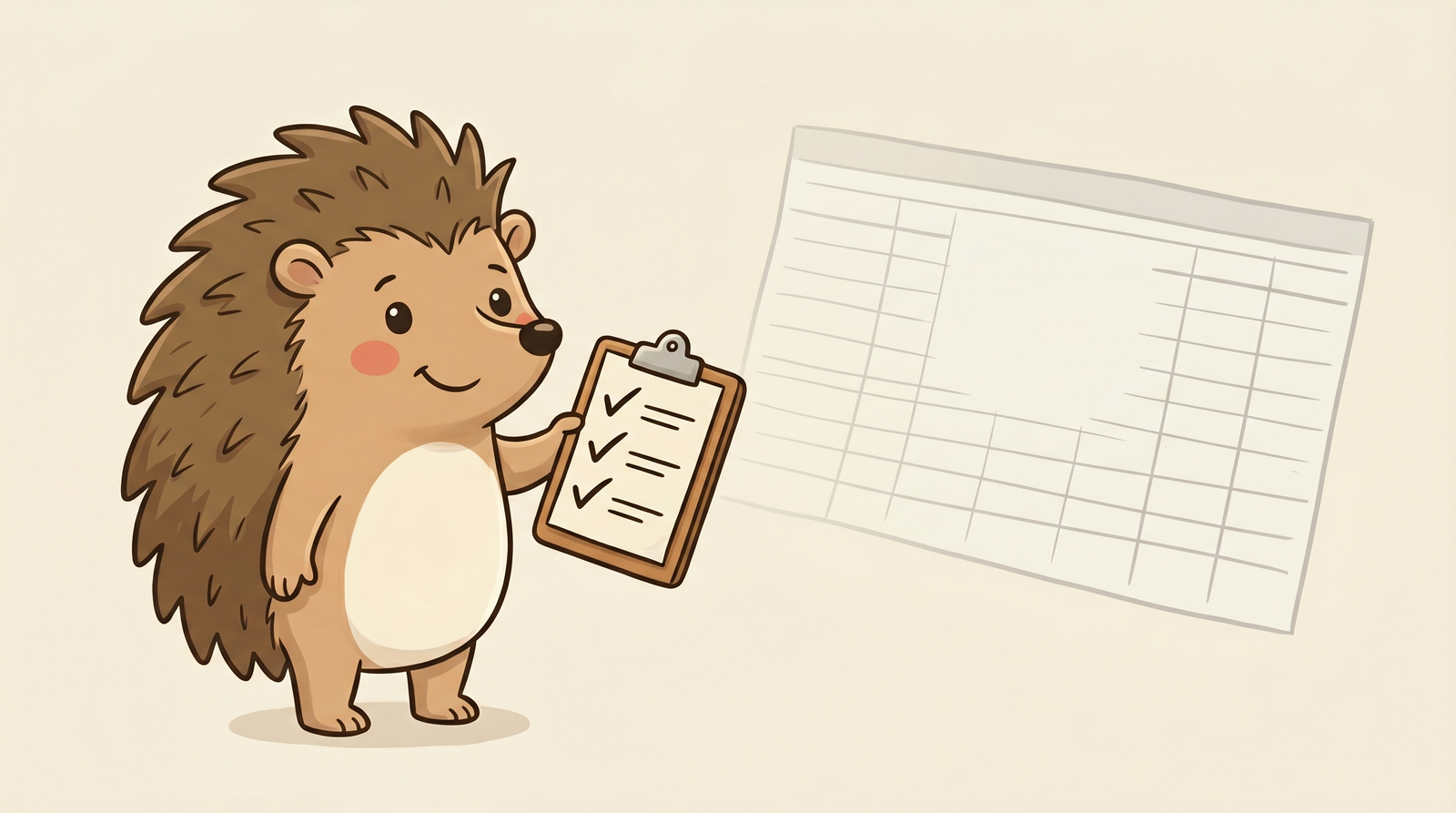
In March 2023 I had a Google Sheet with 47 rows.
One row per plant. Columns for sowing, pre-crop, planting, harvest, companion-planting neighbors, spacing in cm, light needs, water needs, soil type. Below that, a colour-coded Gantt chart of each crop's time window. I was proud of it. I felt like I had my garden under control.
In April I opened it for the first time.
Then once in May.
By June I had given up.
The problem wasn't the spreadsheet
The spreadsheet was actually fine. The numbers were right, the colours were logical, the formulas worked. The problem was: I was now simultaneously gardener and database admin for my own garden.
Every time I did something in the garden, I had to go back inside, find the right cell, update it. Every time I wanted to know what was next, I had to scroll and filter and build a pivot. The garden exists so you can go outside. Not so you can sit at a laptop managing your own progress.
After a few weeks I stopped opening the sheet. By July I had no idea which tomato variety was in which bed. By August, three zucchini had exploded because I'd forgotten I'd even planted them.
Then came the apps
In 2024 I thought: the spreadsheet was too crude. I need a proper app. I installed three. One wanted to send me daily notifications. One wanted photos of every plant. One wanted me to keep a "planting diary" with a daily target of three entries.
It was worse. Now I didn't have one spreadsheet — I had three digital bosses constantly pinging me.
By April I was out. All three deleted.
What's actually missing
Here's what I did in 2025: one evening in February I sat down and thought it through. Measured the bed. Wrote a list of what I wanted to eat. Checked companion planting. Mapped it to calendar weeks. Printed it. Hung it on the shed door.
That was it.
From March on, the plan wasn't in the cloud. It was on paper, in the shed. I looked at it every weekend, crossed off what was done with a pencil, and otherwise just spent my time in the garden.
Result: my best gardening year. Not because I'd suddenly got smarter. But because I'd stopped forcing a database onto my garden.
The principle behind Erntezeit
Erntezeit is for people like me. We don't want to type. We don't want to swipe. We don't want to do a daily check-in.
We want to sit down once in spring, briefly say what we're growing where, and then be left alone.
That's exactly what Erntezeit does: you tell us three things, we give you a finished annual plan as a PDF. Print, hang up, done. No push notifications. No "today is a good day to water" messages. No daily care reminders that get annoying after three weeks.
One plan. Once. Then you get to be a gardener again, not an app user.
That's not less technology. That's the right technology in the right place — for five minutes in February, and then never again.
🦔 Stachi
More articles
October 26, 2026 · 3 min read
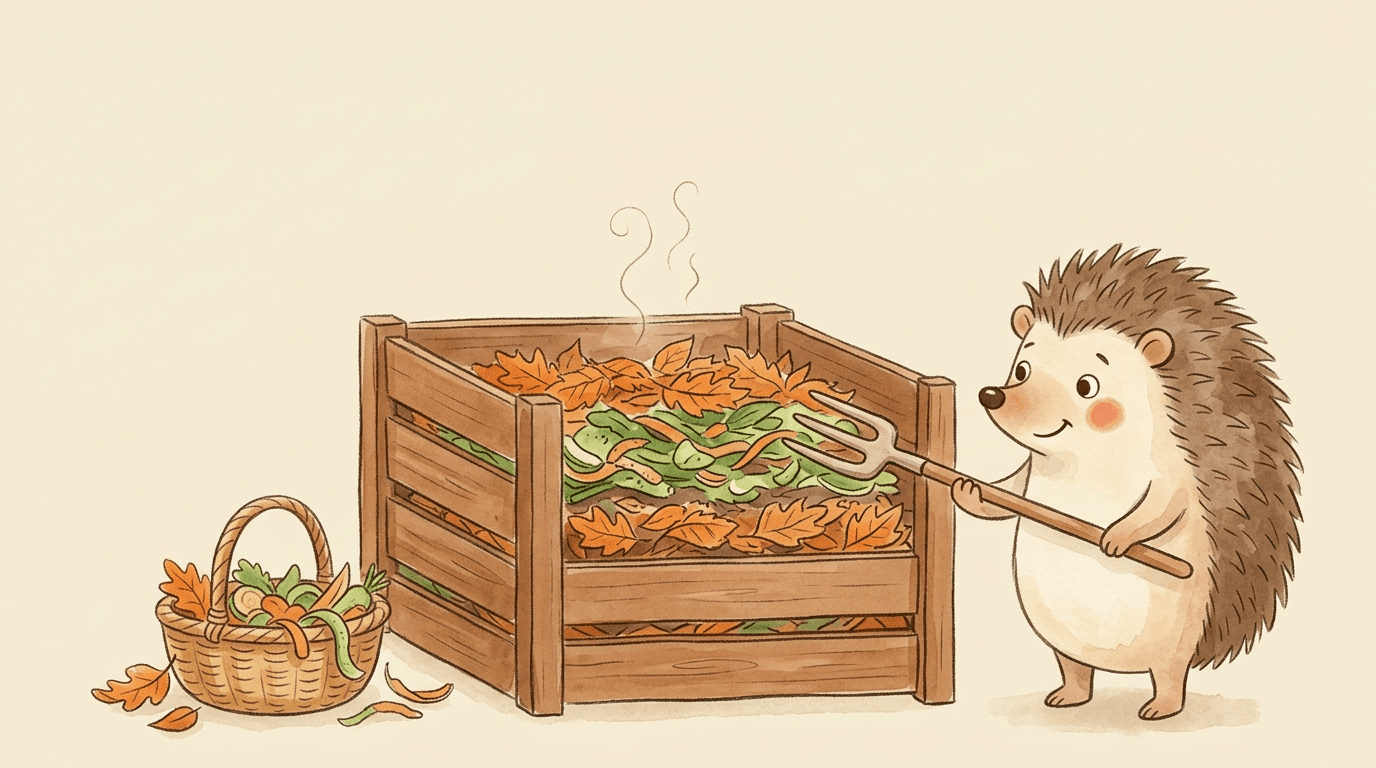
Starting an autumn compost pile: 3 parts leaves, 1 part kitchen scraps
Frau Schneider's compost pile just sat there all winter. No steam on cold mornings, no warmth, no breakdown — just a heap of dry leaves that hadn't changed a bit by March. The problem wasn't patience. It was the mix.
October 20, 2026 · 3 min read
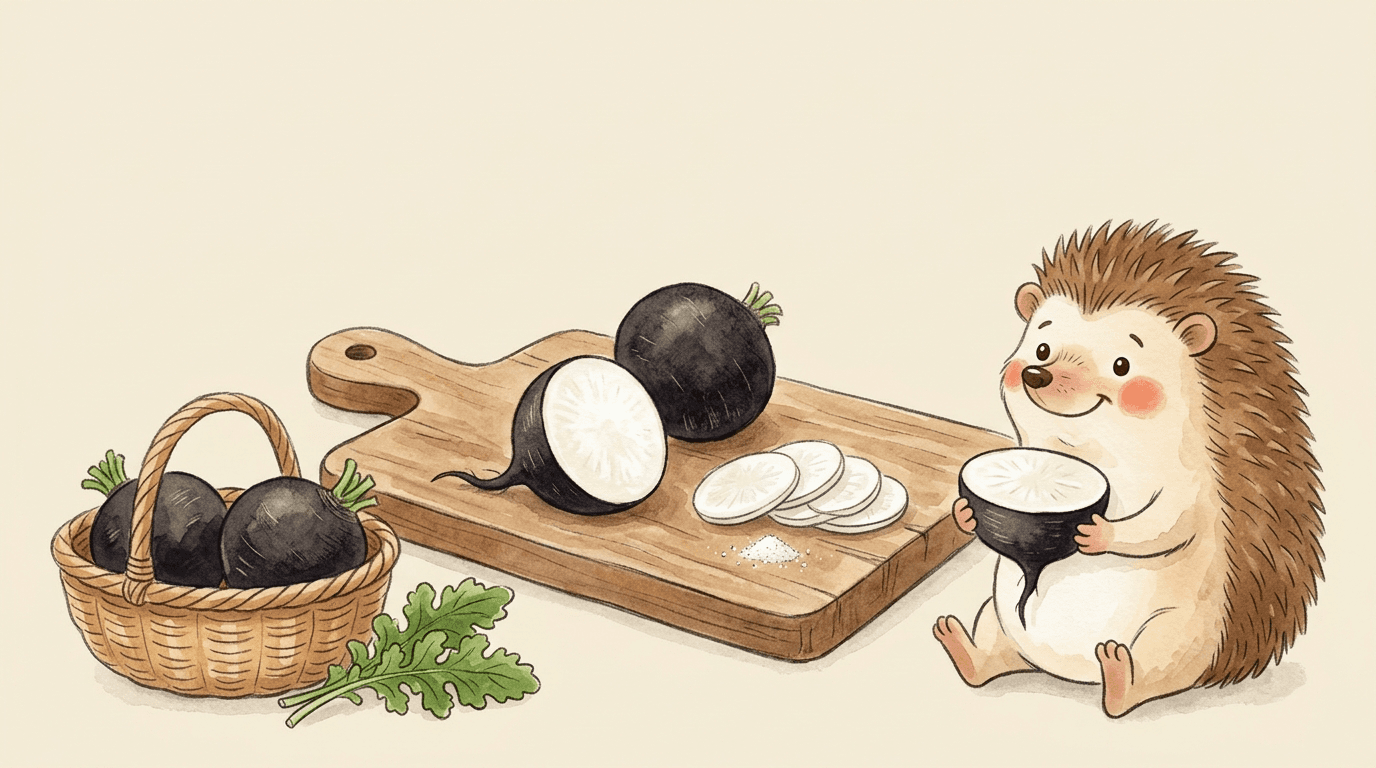
Black radish: why you should let it rest before you bite in
Last year Frau Schneider bit straight into one, unsalted, fresh out of the ground, and spent the next two minutes coughing instead of talking. The problem wasn't the radish. It was the timing.
October 14, 2026 · 2 min read
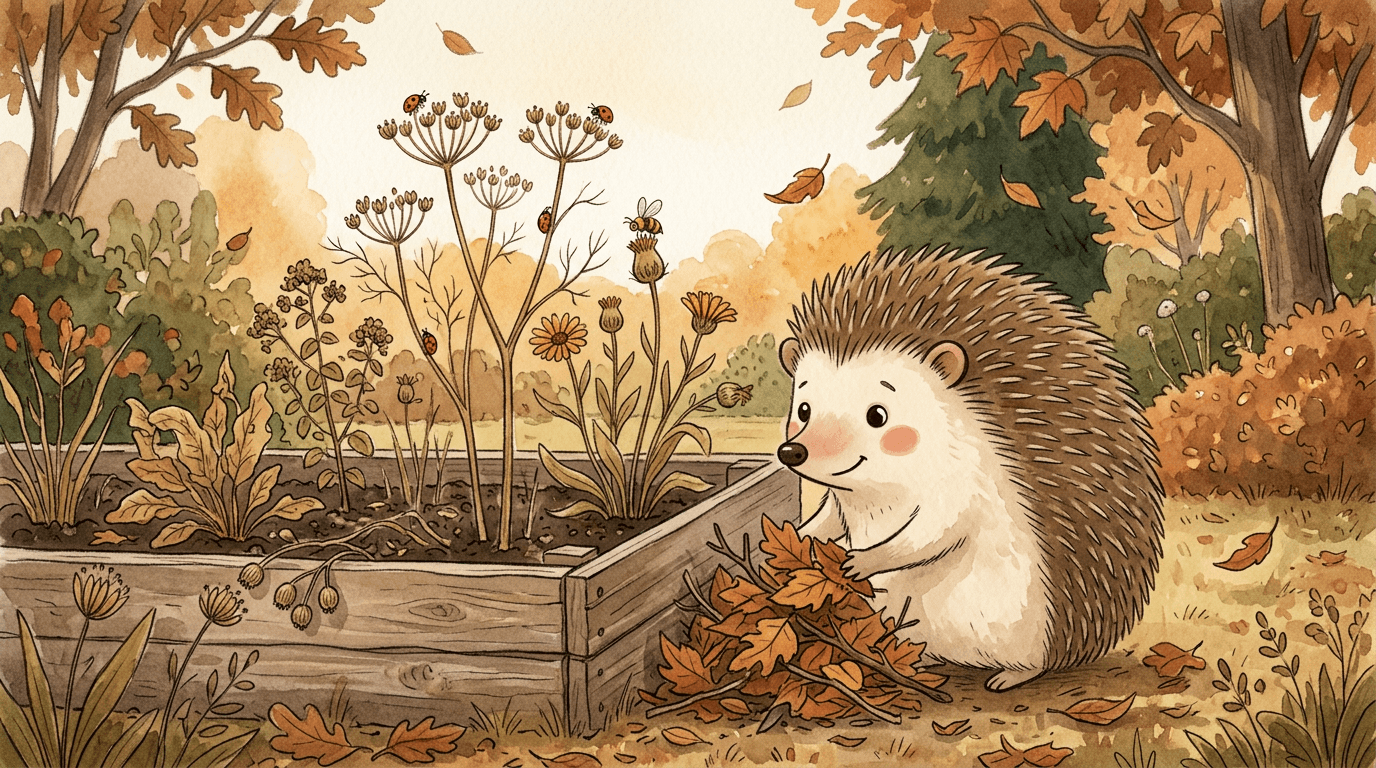
Why I only tidy up half my raised bed in October
Mr Zimmermann cut his entire raised bed down to the ground in one afternoon — stalks, seed heads, leaves, all gone. I should have warned him beforehand: not everything, only half. Here's what should stay standing and what really needs to go.