July 28, 2026 · by Stachi · 4 min read
Aubergines in the raised bed: how to tell when they're ready to harvest
Frau Schneider is waiting for her aubergines. They're large and dark purple. But she's leaving them on the plant because she thinks bigger is better. That's exactly the moment when aubergines start to turn bitter.
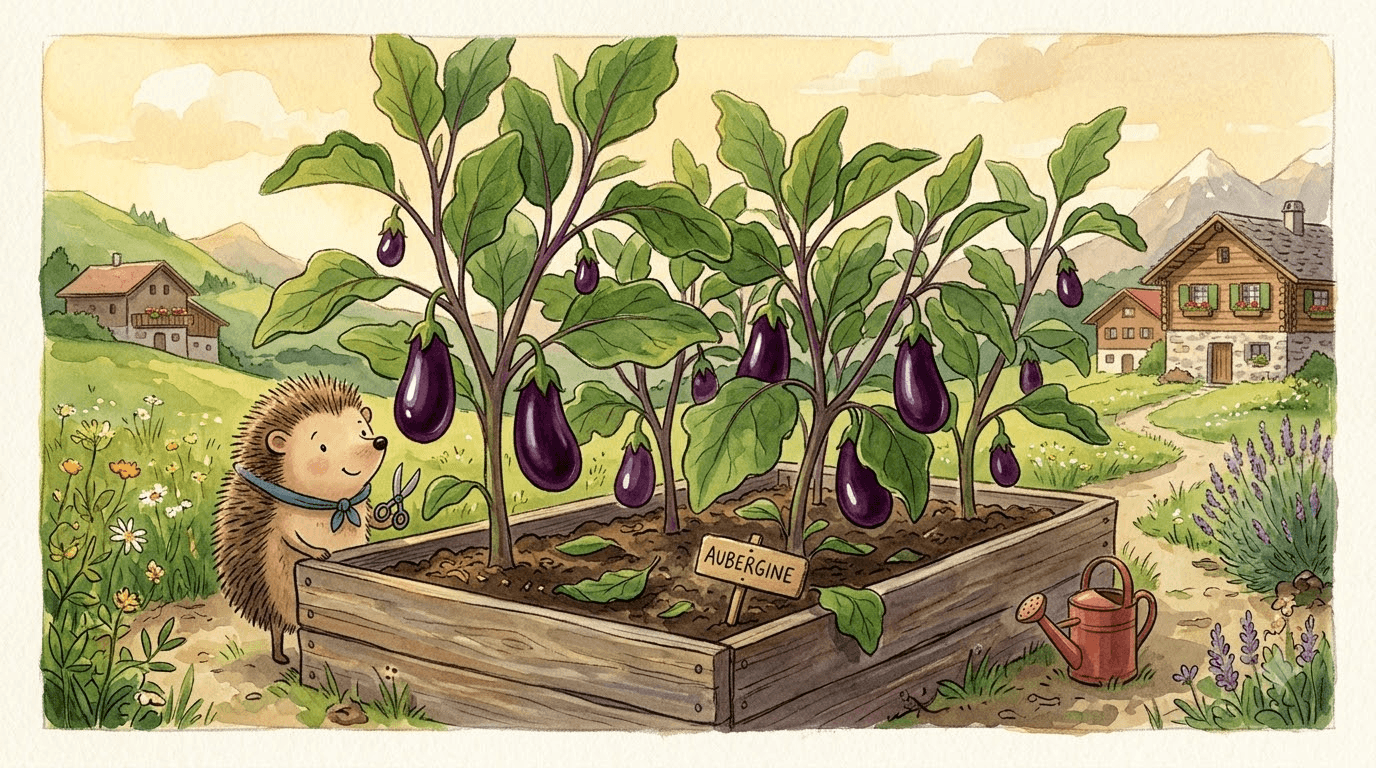
Last week Frau Schneider called me. "Stachi, my aubergines look beautiful. Should I wait a bit longer for them to get even bigger?"
I asked her what the skin looked like.
"Deep purple, glossy," she said. "Really lovely."
"Harvest them today," I said.
An aubergine that gleams is ripe. One that hangs too long loses that gleam — and with it, its flavour.
The one sign you're looking for
Aubergines tell you when they're ready. Not by size, not by colour alone — but by the shine on their skin.
A ripe aubergine has taut, deep purple skin that almost reflects light. If you press it gently with your thumb, it gives slightly and springs back. The flesh is still firm, but no longer rock-hard.
When the aubergine starts to look a little duller — when the skin begins to wrinkle slightly and loses its tension — the best moment has already passed. The flesh inside becomes spongy, the seeds grow larger and harder, and the flavour turns bitter.
I made the classic mistake myself in my first year. I waited until my aubergines were as large as the ones in the supermarket. Then I cut one open and wondered why the flesh was grey and the seeds were dark. I ate it — it was edible, just not good.
In the second year I harvested earlier. The difference was considerable.
The right size is smaller than you think
Shop aubergines are grown in industrial greenhouses under optimal conditions. They're allowed to grow bigger because they develop quickly, with consistent light and irrigation, and stay at peak quality even when large.
In an outdoor raised bed, it works differently. Aubergines grow more slowly, with more variation in heat, watering, and light. A raised-bed aubergine is typically at its best at 15 to 20 centimetres in length, depending on the variety. Some small-fruited varieties peak even earlier, at 10 to 12 centimetres.
If you harvest too late, the fruit may grow a little more — but quality goes down, not up.
How to harvest properly
Never pull or yank. Aubergines have a fairly firm stem, and if you tug, you risk tearing off entire branches.
Use garden scissors or a sharp knife. Cut the stem about two to three centimetres above the fruit. This leaves the plant with a clean cut that heals well.
In July and August, I harvest every five to eight days depending on growth. Sometimes a week is barely enough when it's warm.
What happens after you harvest
Here's where it gets interesting: once you harvest a ripe aubergine, the plant stops directing energy into that fruit and puts it into the smaller fruits already forming, and into new flowers.
An aubergine left hanging too long blocks the plant. It keeps investing resources into something that's already past its best. Harvest consistently and the plant gives you more.
Last summer I tested this here in Berikon: I harvested plant A every five to six days. Plant B I left alone until the fruits were as large as possible. Plant A gave me roughly four times as many fruits over the season.
I'm not exaggerating — four times.
Watering through the heat
Aubergines originally come from tropical regions. They love heat. But they can't tolerate heat without water.
In July and August I water my aubergines every other day, and daily during real heatwaves. The substrate in a raised bed dries out fast in summer — and a dried-out aubergine stops growing, drops its fruit, and recovers slowly.
A simple test: push your finger five centimetres deep into the substrate. If it's dry in there, it's time to water.
I water in the morning so the plant can absorb it during the day and the leaves are dry by evening. Wet leaves overnight invite fungal diseases.
How many fruits per plant
This depends on variety and location. As a rough guide: three to six fruits simultaneously on one plant is realistic. At my place in August, some plants carry eight to ten fruits in different stages of ripeness.
Some gardeners pinch the aubergine tips in July to focus the plant on fruit already set rather than new growth. I haven't found it helps — I just let the plant grow and harvest consistently.
What to cook with fresh aubergines
Aubergines straight from the raised bed don't need salting. The salting technique is for older, slightly bitter supermarket fruit. A fresh raised-bed aubergine you slice up and put straight into the pan.
My favourite things to cook with the mid-summer harvest:
Grilled with olive oil — slice them, brush with olive oil and salt, four minutes each side on a grill or grill pan. Done. So good you can barely believe it needs just one ingredient.
Oven-roasted halves — cut in half, score the flesh in a cross-hatch pattern, add olive oil, garlic, salt, 200°C for 25 minutes. The flesh turns creamy.
In a wok with tomatoes and peppers — my raised-bed combination in August. Everything that's ripe at the same time goes into the wok. Ten minutes, soy sauce, done.
One last word to Frau Schneider
She messaged me at lunchtime. "Harvested. Three of them. Grilling them tonight."
Then, at half past nine, another message: "Why didn't I do this sooner?"
I ask myself the same question with many vegetables.
🦔 Stachi
Products mentioned in this post
- Plantura organic tomato seed set (10 varieties)Open-pollinated, good germination — robust for raised beds.
- Organic tomato seed set, 14 varieties
- Organic heirloom tomato seed set (Demeter, 12 varieties)
- Organic vegetable seed set, 10 varietiesCucumber, tomato, beetroot, broccoli, carrot, chard & more.
Related plants


More articles
October 10, 2026 · 2 min read
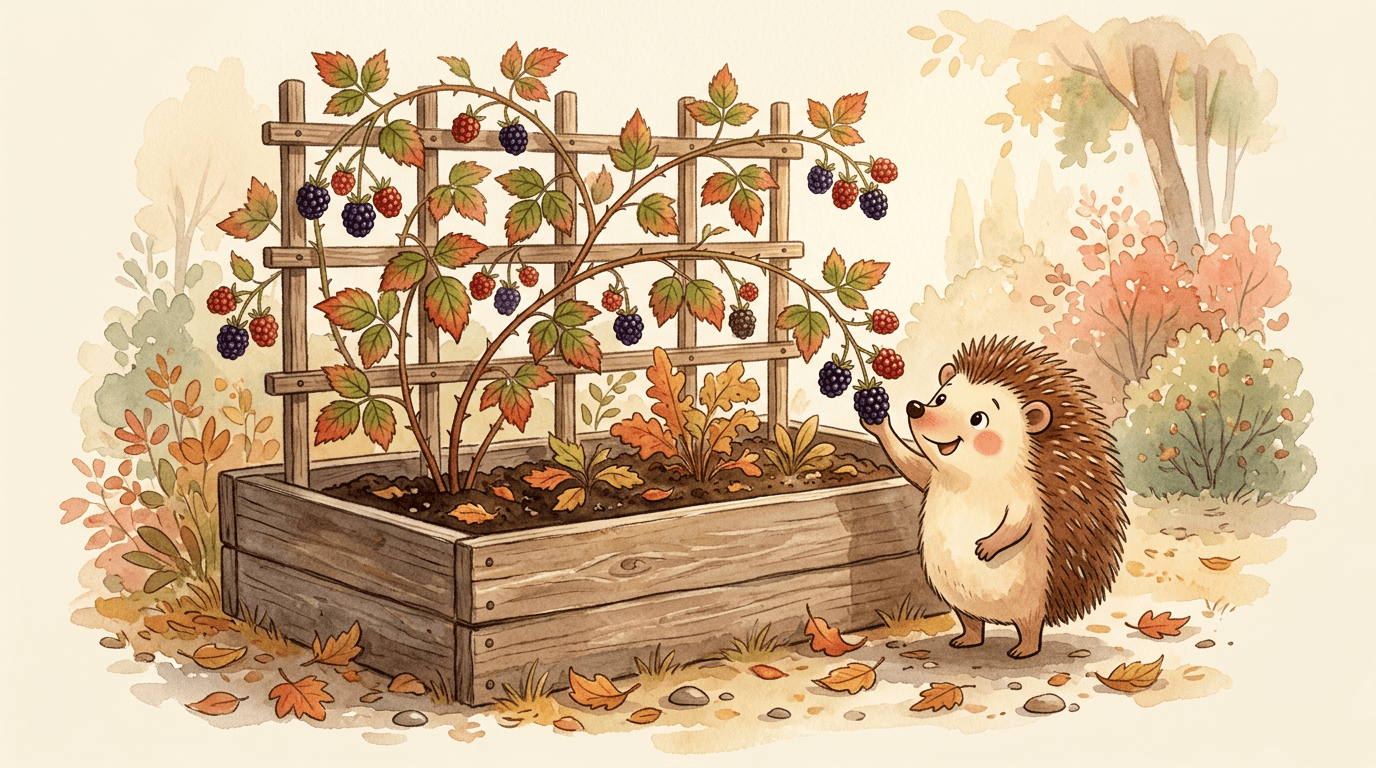
Planting blackberries in a raised bed this autumn: why one plant can already be too many
Frau Schneider ordered three thornless blackberry plants for her kids – all three meant for one single raised bed. I had to tell her that even one of them will outgrow it eventually. Here's what actually matters for an autumn planting.
October 9, 2026 · 2 min read
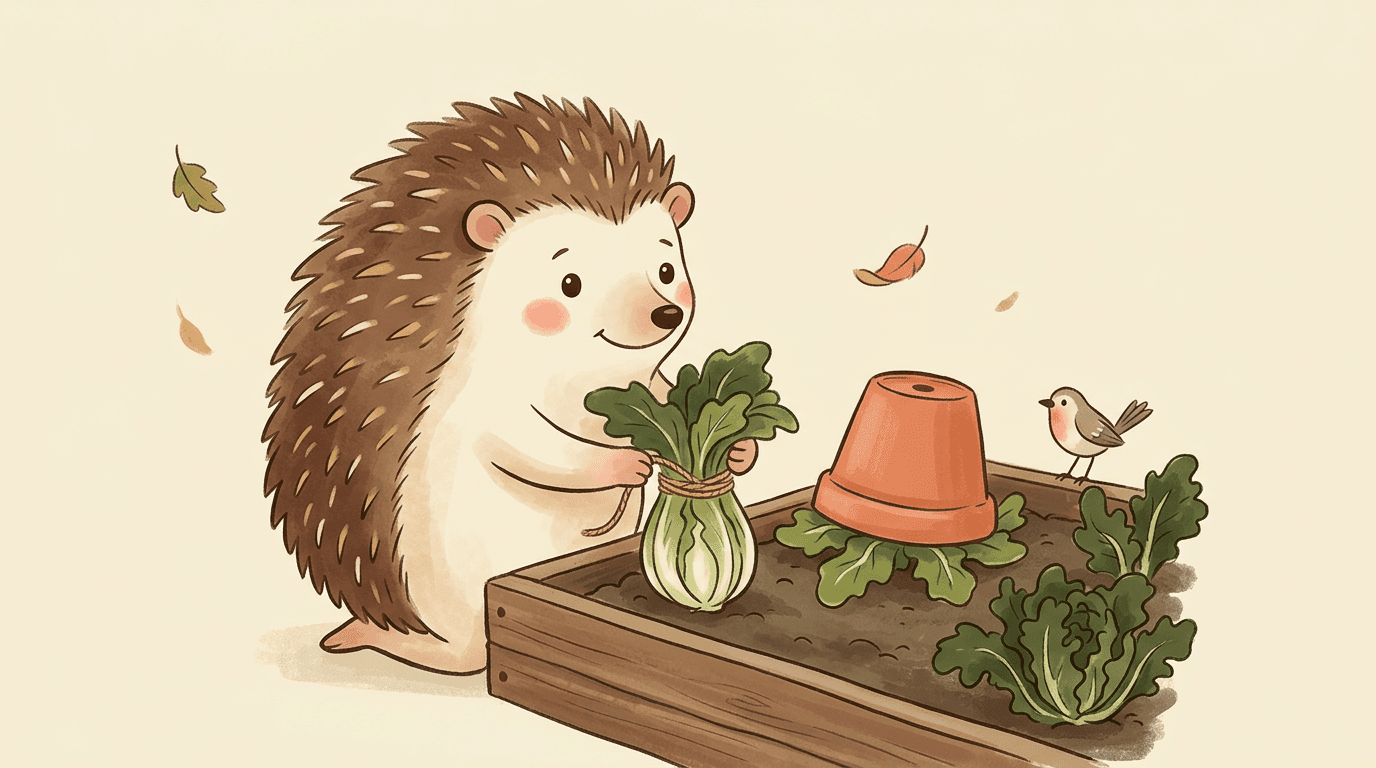
Blanching endive: the trick against bitterness – and where rot is lurking
Frau Schneider tied up her endive on a rainy afternoon because she didn't have time to wait. A week later the heart was brown and slimy instead of pale and tender. Here's what actually matters when you blanch it.
October 8, 2026 · 2 min read
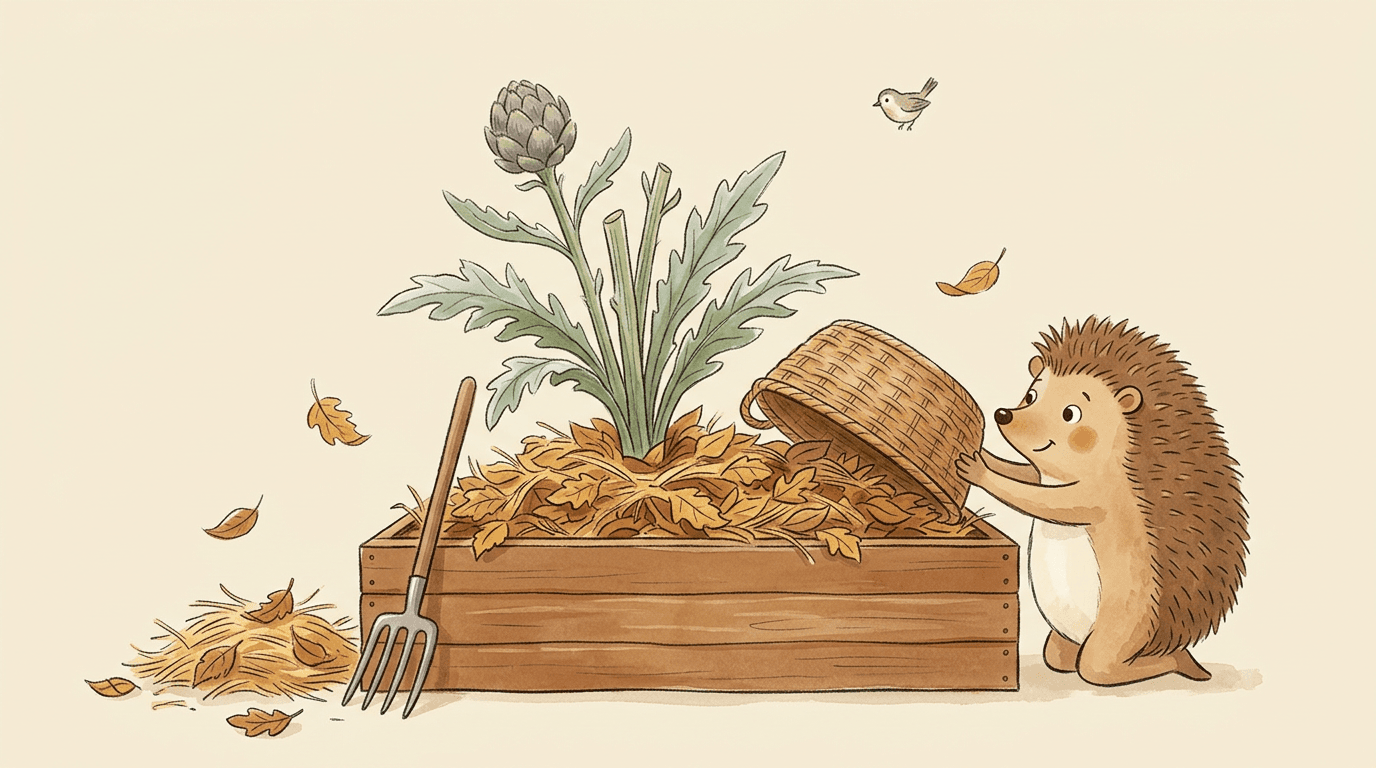
Overwintering artichokes: why they freeze faster in a raised bed than in open ground
Frau Schneider's artichoke grew real buds for the first time this summer – now she's worried the plant won't survive the first hard frost in her raised bed. She's right to worry: raised-bed soil freezes differently from garden soil. Here's how to protect the rootstock properly.