August 4, 2026 · by Stachi · 3 min read
Sow lamb's lettuce in August — start now for your autumn harvest
August is when the raised bed starts emptying out and most gardeners think the growing season is winding down. Lamb's lettuce disagrees — sow it now for a harvest that runs all the way to December.
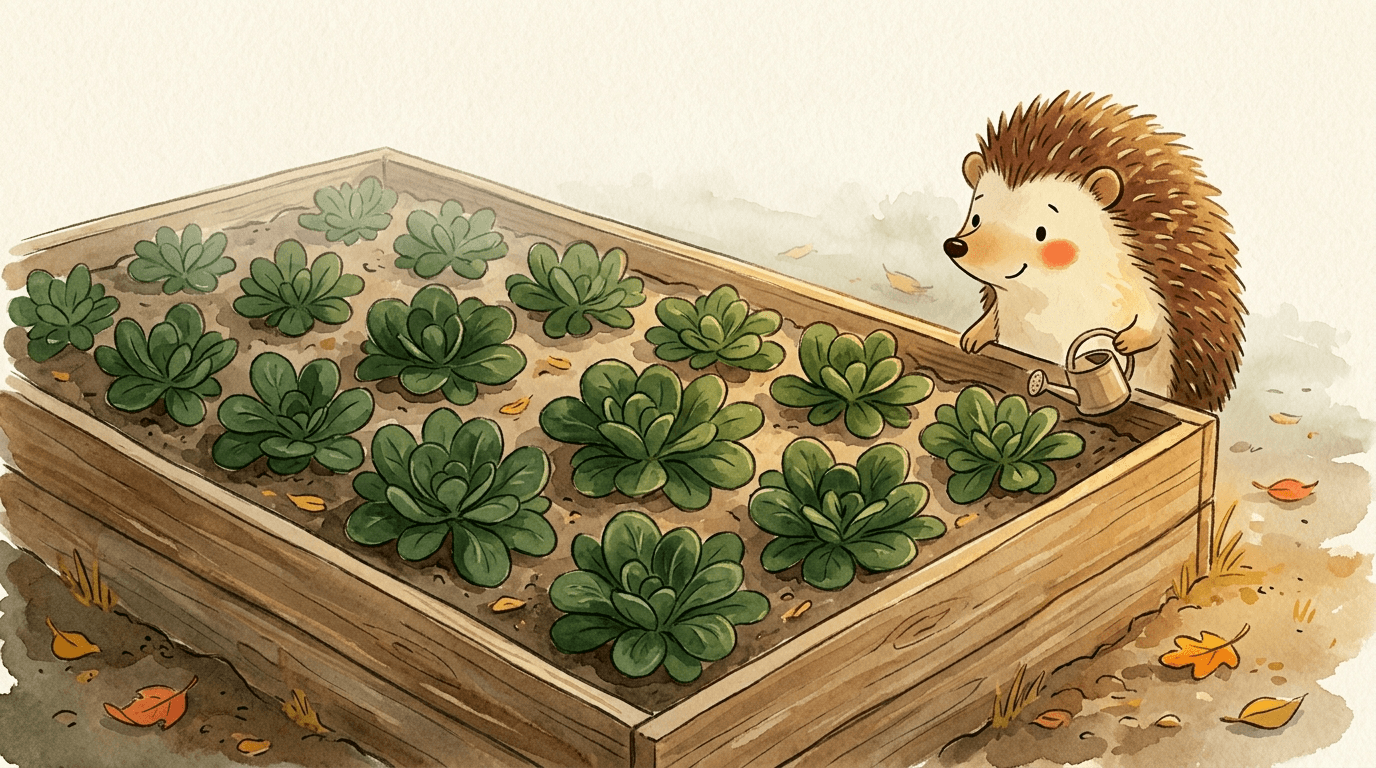
Frau Schneider asked me this week whether there was anything she could still plant. Her tomatoes are coming in, the courgette keeps producing, but the gaps between rows are slowly opening up.
"Something quick," she wrote. "Something that'll be ready by autumn."
Lamb's lettuce.
Not because it's the most exciting option. But because it works in August, when almost nothing else would bother starting. And because it keeps going until December, long after everything else has been cleared away.
Why lamb's lettuce, and why now
Lamb's lettuce is a cool-season crop — autumn and winter is where it belongs. It germinates well at 10 to 20 degrees Celsius, which is still fine in August. But it grows slowly: about eight to ten weeks to the first harvest. Sow today and you'll be picking by late September or early October.
Wait too long — mid-September or later — and the plants won't have time to size up before the first frosts arrive. They'll stay small and fragile, instead of entering the cold as the sturdy little rosettes that sail through frosty nights without complaint.
The window: early August to around the 20th at higher elevations (Zürich, Bern), up to early September in warmer valleys.
How to sow
Lamb's lettuce goes straight into the bed. No indoor starts, no transplanting.
I make a shallow groove about one centimetre deep with a finger or a stick, drop in seeds every two or three centimetres, press the soil down lightly, and water well.
Row spacing: twenty centimetres is plenty — lamb's lettuce stays flat and compact.
The most important thing for the next two weeks: keep the soil moist. Lamb's lettuce seeds germinate poorly in dry soil, and August sun dries out a raised bed quickly. Water in the morning, check again in the evening — if the surface is dry, water again. Once the seedlings are up, they need much less attention.
Thinning — but not too soon
When seedlings are about two or three centimetres tall, thin them to five to seven centimetres apart. Pull out or cut the weaker ones.
Don't start before that. Young plants offer each other a little shelter against temperature swings. Once they're established, thin away.
The seedlings you remove are edible, by the way. Small, tender, good in salad.
When to harvest
Lamb's lettuce is harvested leaf by leaf, not as a whole head. When the outer rosettes have five to seven well-formed leaves, you can take the outer leaves and the plant carries on. You can also harvest whole rosettes when you need more.
What sets lamb's lettuce apart from other salad greens: it gets better after the first frost. Cold sweetens it. A rosette that has weathered a few frosty nights in late October tastes noticeably milder and less bitter than one picked in September.
I always wait until mid-October for the main harvest. What comes before that is a previewing privilege. The real thing comes later.
What works well alongside it
If you still have space: a sowing of spinach in August follows a similar logic. Spinach germinates faster — five to seven days — but it's less frost-hardy than lamb's lettuce and needs a fleece cover to make it through November. Worth it.
Radishes can also go in now — ready in twenty days. But only if temperatures aren't regularly climbing above 28 degrees anymore, or they'll go woody and too sharp to eat.
What Frau Schneider is doing now
I told her: three rows of lamb's lettuce in the gaps between the tomatoes. One centimetre deep, water well, keep moist for two weeks.
She replied: "That's it?"
Yes, that's it. Lamb's lettuce isn't demanding. No special soil, no special position. Just don't let it dry out now, and don't sow too late.
By late September she'll probably write to tell me the bed wasn't as empty as she'd thought.
🦔 Stachi
Products mentioned in this post
- Plantura organic tomato seed set (10 varieties)Open-pollinated, good germination — robust for raised beds.
- Organic tomato seed set, 14 varieties
- Organic heirloom tomato seed set (Demeter, 12 varieties)
- Organic vegetable seed set, 10 varietiesCucumber, tomato, beetroot, broccoli, carrot, chard & more.
Related plants


More articles
October 10, 2026 · 2 min read
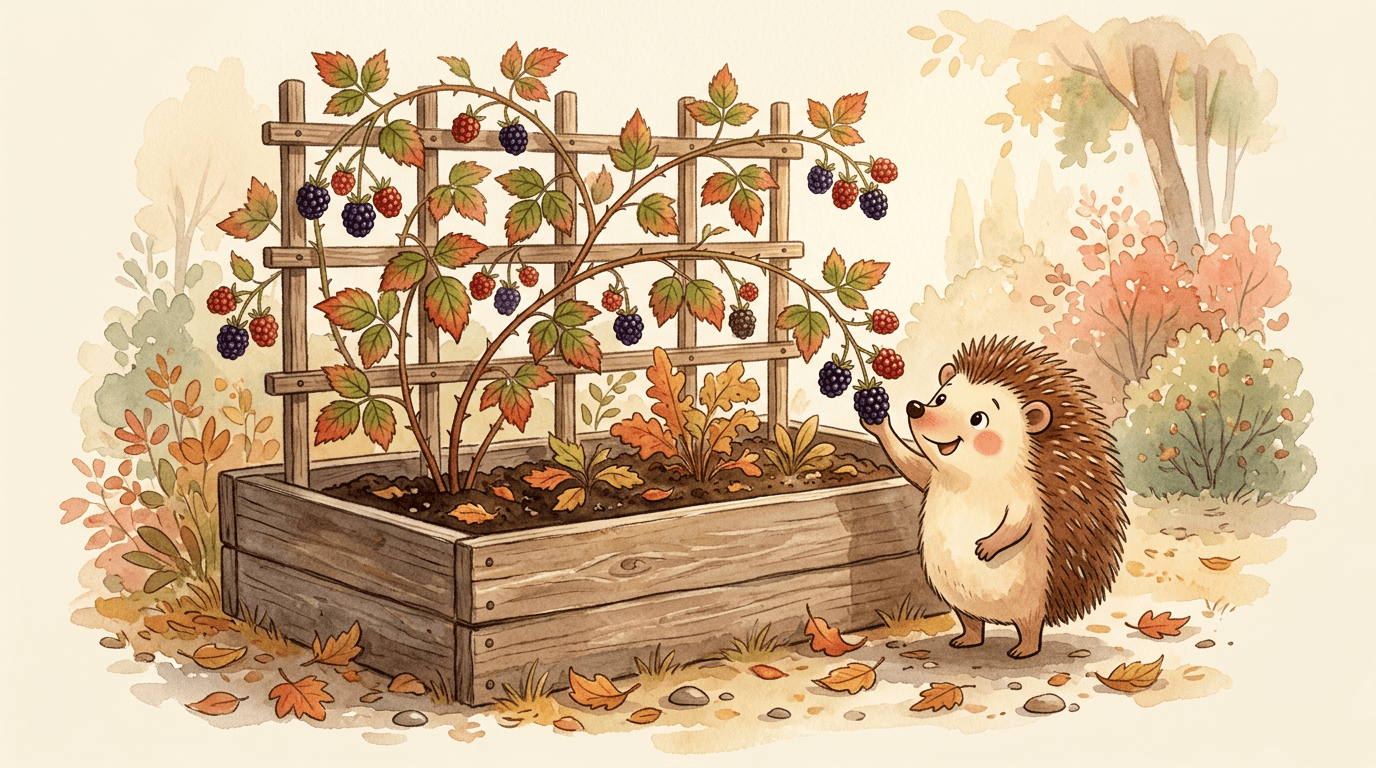
Planting blackberries in a raised bed this autumn: why one plant can already be too many
Frau Schneider ordered three thornless blackberry plants for her kids – all three meant for one single raised bed. I had to tell her that even one of them will outgrow it eventually. Here's what actually matters for an autumn planting.
October 9, 2026 · 2 min read
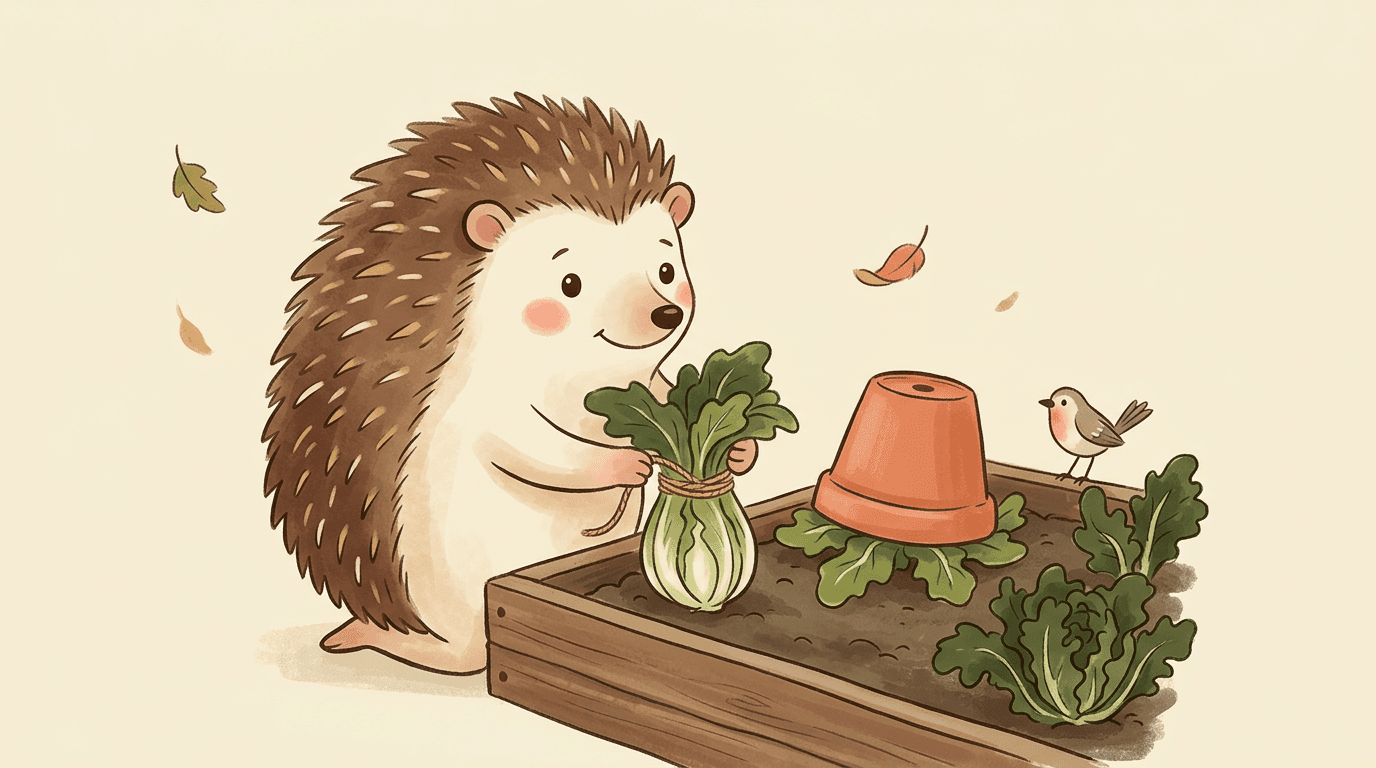
Blanching endive: the trick against bitterness – and where rot is lurking
Frau Schneider tied up her endive on a rainy afternoon because she didn't have time to wait. A week later the heart was brown and slimy instead of pale and tender. Here's what actually matters when you blanch it.
October 8, 2026 · 2 min read
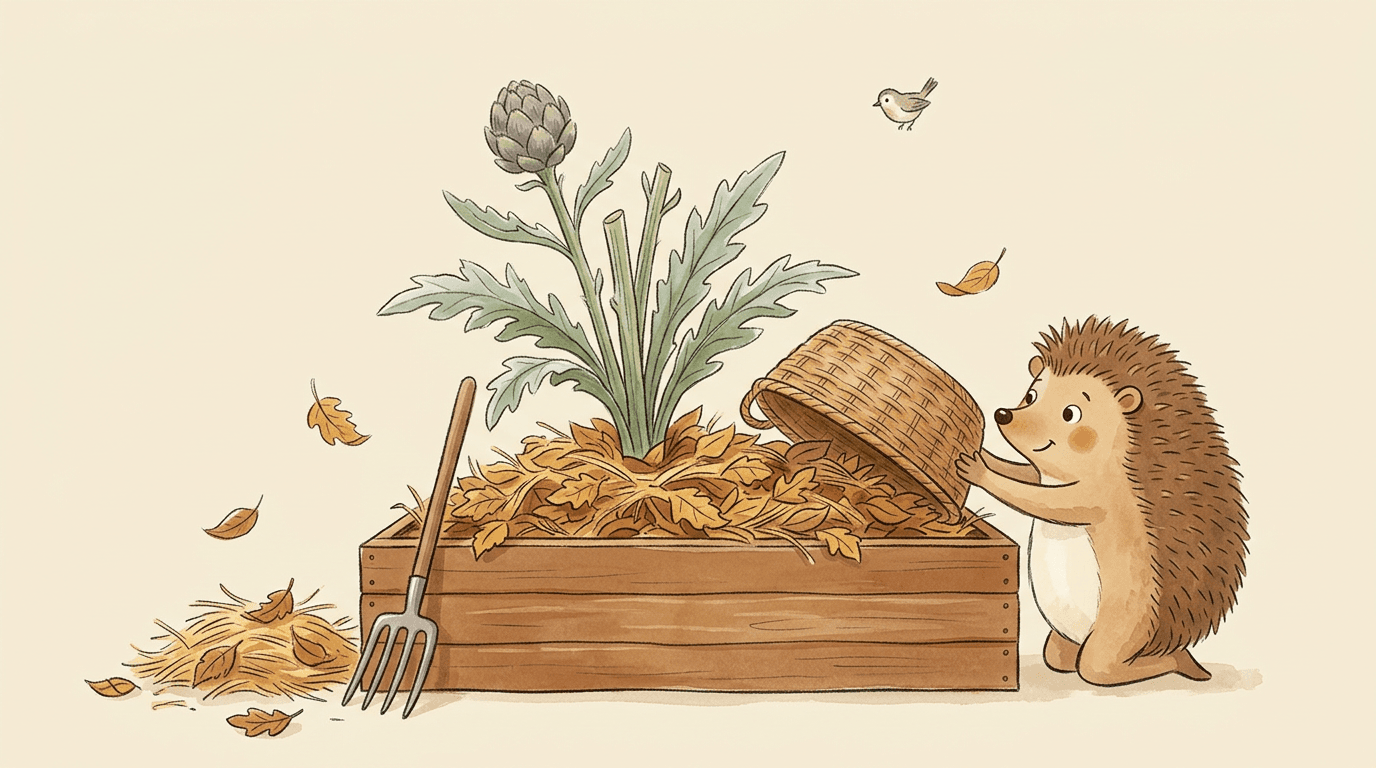
Overwintering artichokes: why they freeze faster in a raised bed than in open ground
Frau Schneider's artichoke grew real buds for the first time this summer – now she's worried the plant won't survive the first hard frost in her raised bed. She's right to worry: raised-bed soil freezes differently from garden soil. Here's how to protect the rootstock properly.