October 14, 2026 · by Stachi · 2 min read
Why I only tidy up half my raised bed in October
Mr Zimmermann cut his entire raised bed down to the ground in one afternoon — stalks, seed heads, leaves, all gone. I should have warned him beforehand: not everything, only half. Here's what should stay standing and what really needs to go.
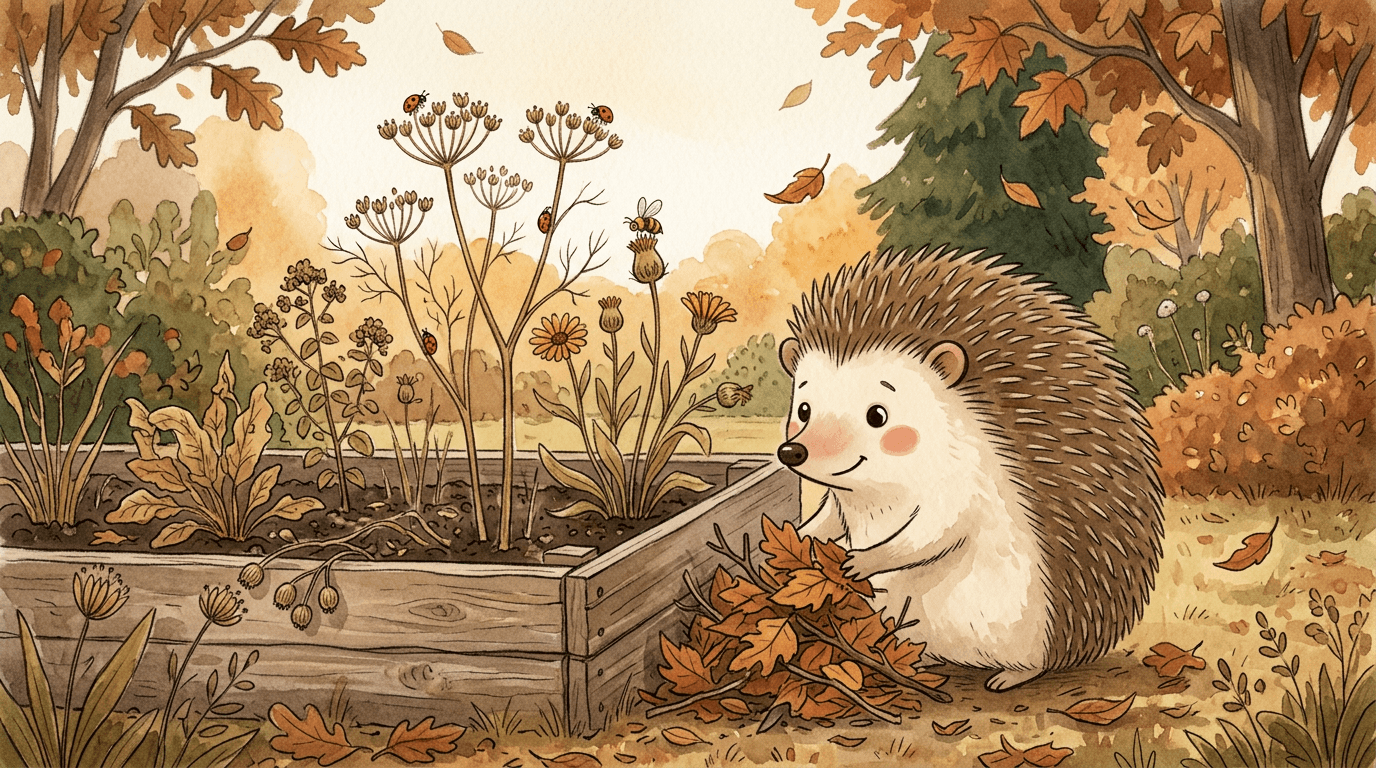
Mr Zimmermann is the tidiest of everyone I know. Last Saturday he cut his raised bed right back in two hours flat — every stalk down to ground level, the leaves swept away, the soil raked smooth. Looked freshly done. When he showed me the photos, I had to tell him: nicely tidy, but a disaster for the beneficial insects.
What overwinters in the hollow stems
Oregano, lavender and fennel grow hollow or pith-filled stems in autumn, and that's exactly where wild bees and other beneficial insects lay their eggs or hole up for winter. Cut these plants down to the ground in October and you throw next year's offspring out with the green waste. The rule of thumb: anything hollow or pithy that shows no disease stays standing until March. Only once temperatures hold steady above 10°C is it time to cut back — by then most insects have already hatched.
Seed heads are bird food, not weeds
Calendula and fennel seed heads look ragged by October, but tits and finches pick seeds off them all winter long. A raised bed tidied too thoroughly has no food source left within two metres come January. I leave at least one row standing, even when it stops looking pretty. Looks take a break over winter.
What really needs to go
Not everything stays — that would be just as wrong. Tomato foliage, squash vines and anything with mildew or brown spots has to go, straight onto the compost or into the green-waste bin, never left lying. Fungal spores overwinter in diseased plant material just as reliably as beneficial insects do in healthy material — except they go straight for next spring's new seedlings. Healthy stays, diseased goes: that's really the whole rule.
The hedgehog part I can't leave out
A small pile of brushwood or a strip of fallen leaves right next to the raised bed is, for a hedgehog in October, the difference between having a winter shelter and having none. I happen to be one myself, so I take this personally: a garden that's too tidy is simply uninhabitable for us. Twenty minutes of pushing leaves into a pile instead of hauling them away is all it takes.
What I told Mr Zimmermann
This year's raised bed is beyond saving — the leaves are already gone. But he has a hedge along the garden edge, and that's where a small brushwood-and-leaf pile is going now. Next October he'll only cut back the diseased plants and leave the rest standing until March. His raised bed will look untidy all winter. Exactly as it should.
🦔 Stachi
Products mentioned in this post
- Gardena Classic planting trowelQuality steel, corrosion-protected — bed all-rounder.
- Gardena flower trowel, large
- Bosch hand fork, stainless steel
- Draper sturdy hand fork, stainless steel
Related plants


More articles
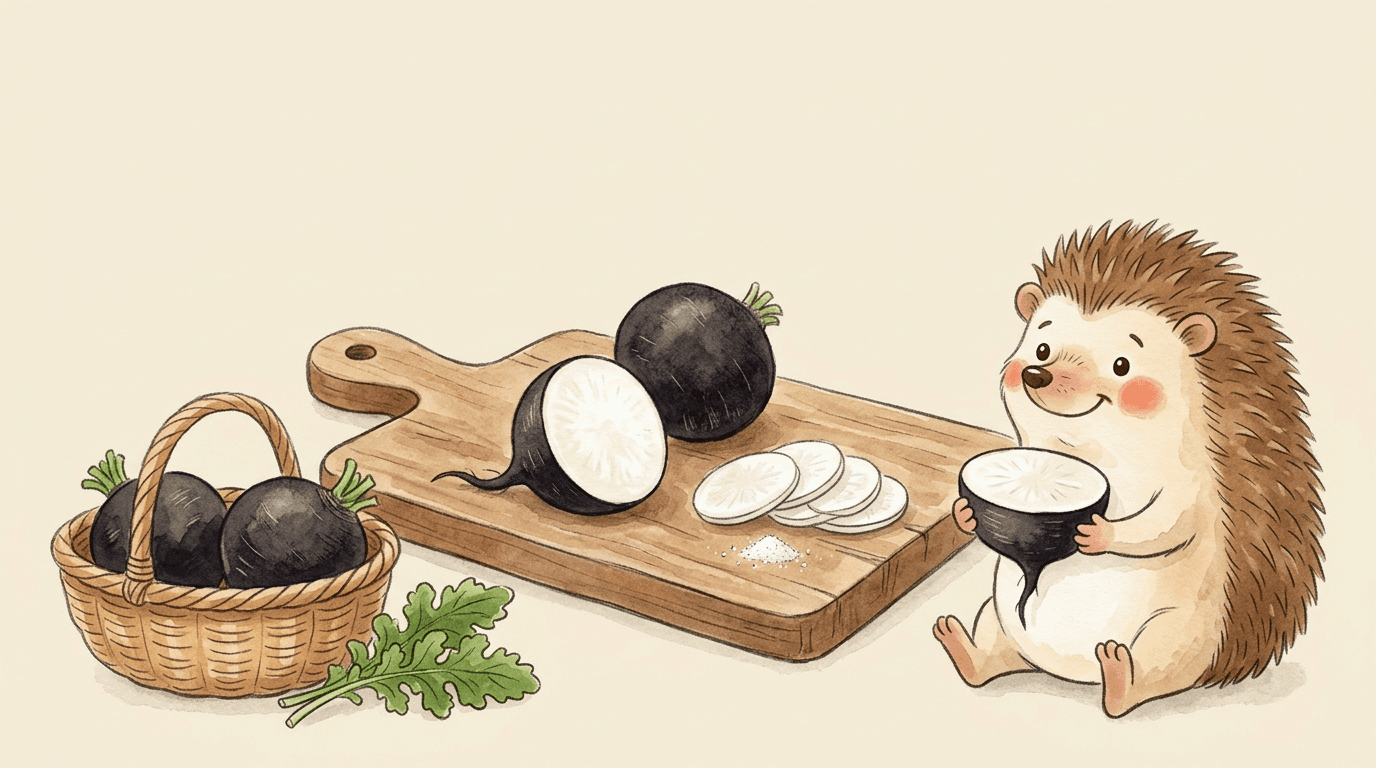
October 20, 2026 · 3 min read
Black radish: why you should let it rest before you bite in
Last year Frau Schneider bit straight into one, unsalted, fresh out of the ground, and spent the next two minutes coughing instead of talking. The problem wasn't the radish. It was the timing.
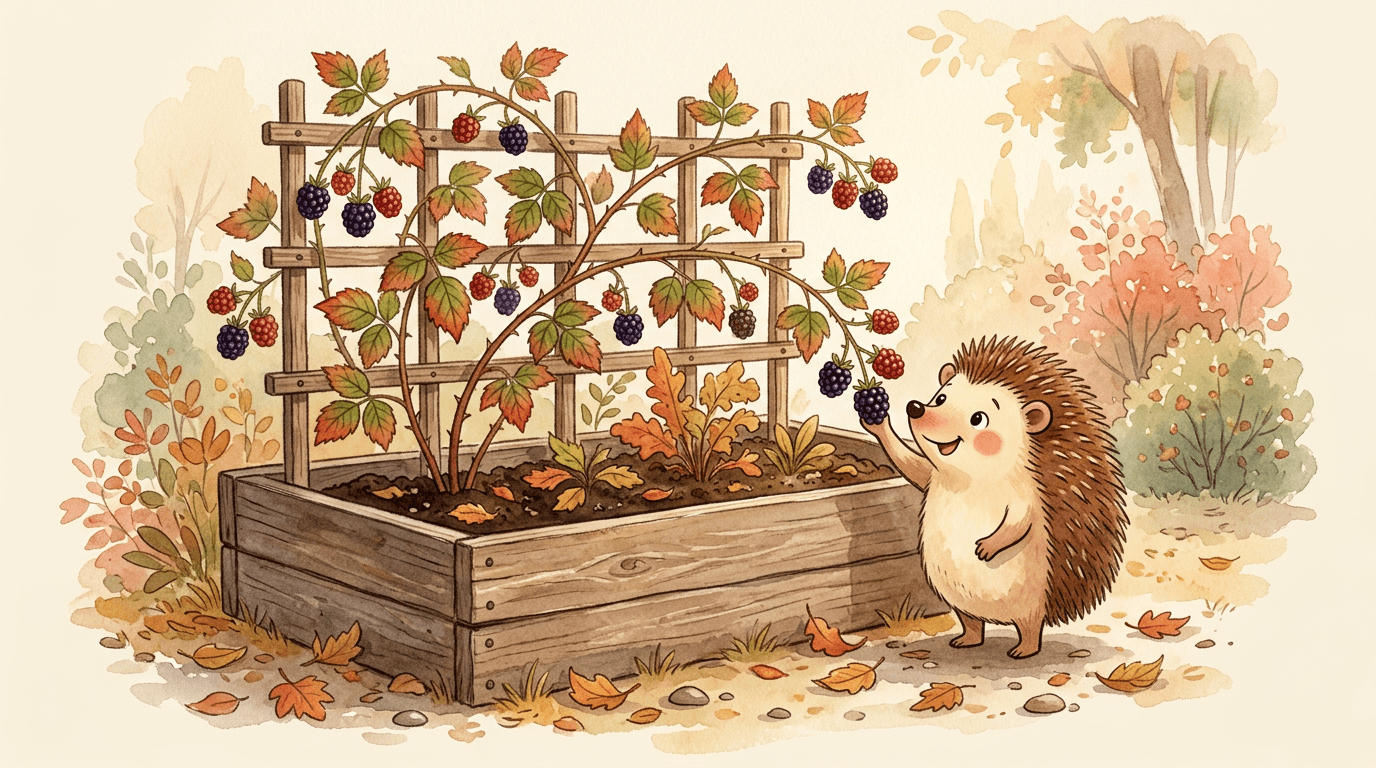
October 10, 2026 · 2 min read
Planting blackberries in a raised bed this autumn: why one plant can already be too many
Frau Schneider ordered three thornless blackberry plants for her kids – all three meant for one single raised bed. I had to tell her that even one of them will outgrow it eventually. Here's what actually matters for an autumn planting.
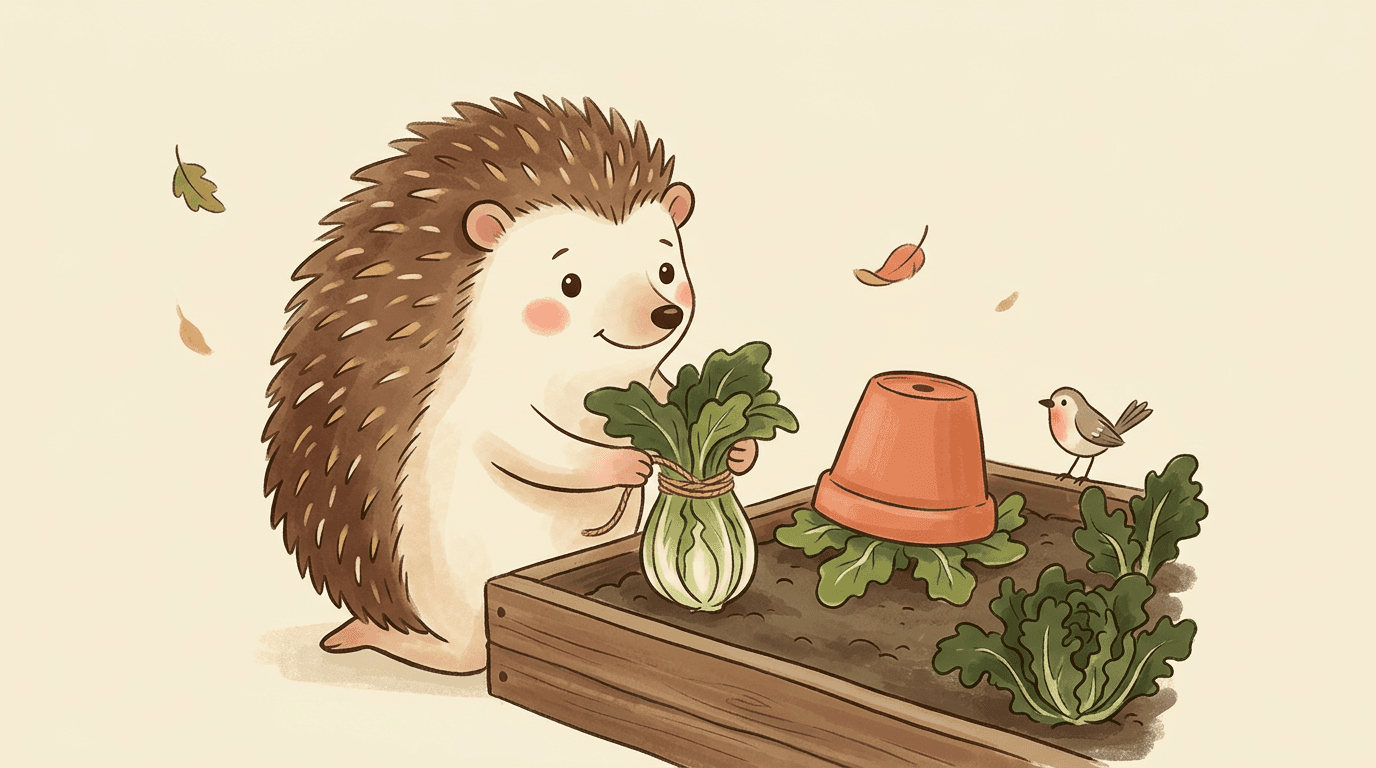
October 9, 2026 · 2 min read
Blanching endive: the trick against bitterness – and where rot is lurking
Frau Schneider tied up her endive on a rainy afternoon because she didn't have time to wait. A week later the heart was brown and slimy instead of pale and tender. Here's what actually matters when you blanch it.