August 5, 2026 · by Stachi · 4 min read
Green manure for raised beds: what to sow into the gaps after harvest
Garlic out, peas out, first onions out — by August every raised bed has sudden gaps. Instead of leaving them bare, sow a green manure now: the soil stays alive, weeds don't get a chance, and you start spring with better soil.
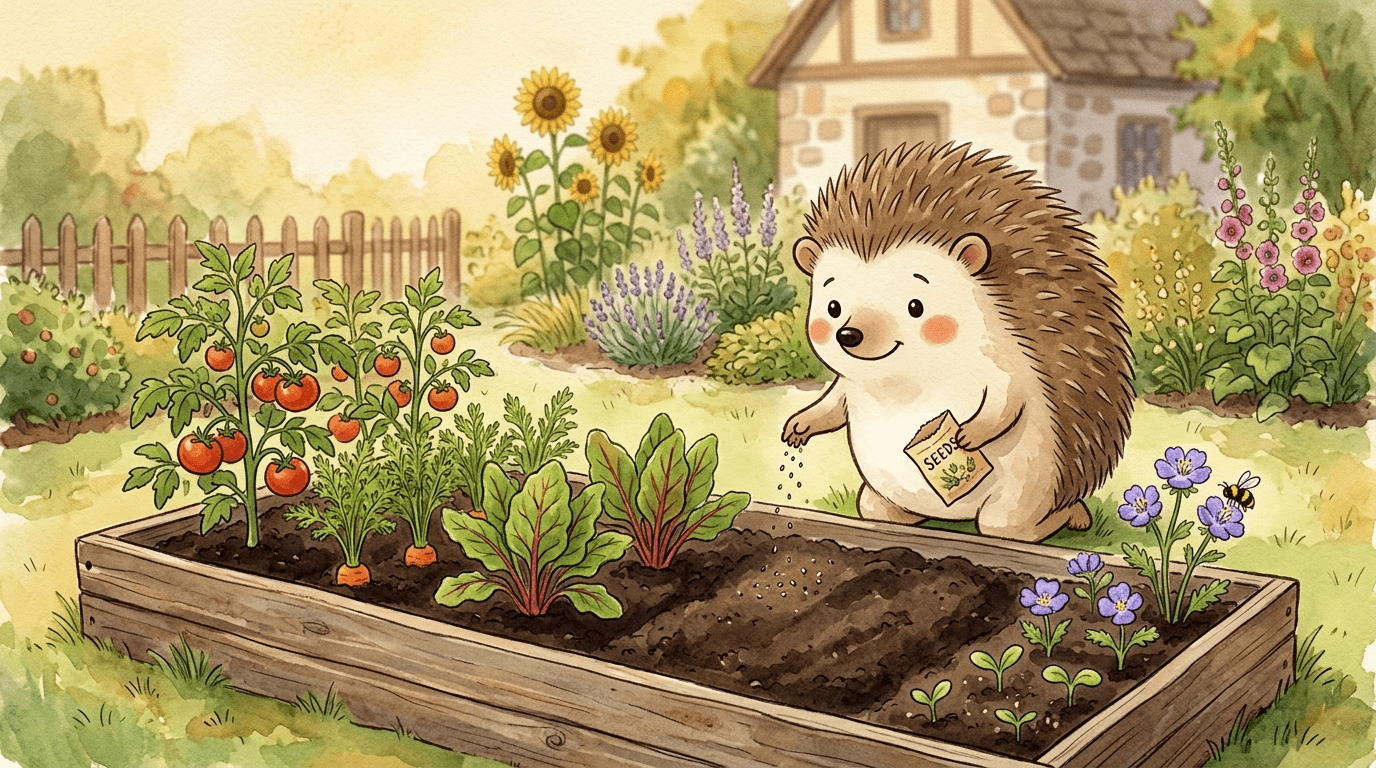
Frau Schneider, my neighbour here in Berikon, pulled her garlic out of the raised bed at the end of July. Two weeks later my last peas came out too, and suddenly we both had the same problem: a bed full of holes. Not broken, not empty — just free. And "free" feels strange in August, with everything around it still growing full speed.
She wanted to just leave the spots as they were. "Nothing's going to happen there until next year anyway." That's exactly wrong. Something is happening in those bare patches the whole time — usually nothing good.
Why a bare patch is never actually empty
Unplanted soil is wide open to rain, sun and wind. A few weeks without roots in it, and the structure you spent all spring building starts to disappear. Heavy rain beats the surface flat, heat bakes it into a hard crust, and whatever's left fills up reliably with weeds. The weeds aren't even the real problem — the soil is, because without something holding it together and feeding it, it comes out of summer poorer than it went in.
The easiest fix: sow something green that grows fast, sends roots down deep, and rots down over winter. That's a green manure — a cover crop grown to feed and protect the soil rather than to eat — and in a raised bed it's almost embarrassingly simple, because the area is so small.
Phacelia: my go-to for late summer
For most gaps in August I reach for phacelia. It germinates within a week, blooms violet after about six weeks, and the bees around Berikon find it before I do. It also reliably dies back in our winters — by March there's a brown, slightly crispy mat sitting on the bed that you just work in shallow or leave as mulch.
Last August I used one 400 g packet of phacelia seed across three of my empty corners and still had half of it left over — for a normal raised bed, one packet easily lasts several years. Sowing is simple: scatter it evenly over damp soil, rake it in about half a centimetre deep, firm it down, water. Nothing like the precision the rest of the bed usually demands.
White mustard and winter vetch as alternatives
Two other options if phacelia isn't available or you want variety:
- White mustard — germinates even faster than phacelia, but be careful with brassica rotation: mustard is itself a brassica and shouldn't sit directly before kohlrabi or broccoli.
- Winter vetch — fixes nitrogen in the soil, survives frost down to about minus 15 °C, and gives you a thick, dark green mat in spring that you dig in before the next planting.
For corners you're taking out of rotation entirely this season — say, because next year's bed layout is changing there — a perennial white clover cover works too. It just stays put, blooms just as bee-friendly, and you decide in spring whether to dig it in or leave it.
What if you'd rather use the space now
Sometimes green manure isn't the right answer — for example, if the gap is big enough for a fast autumn crop instead. Corn salad, spinach, or radishes still fit in August and give you an actual harvest instead of just better soil for next year. I covered exactly how in sowing corn salad in August. Rule of thumb: small gap or leftover space between rows → vegetables. A whole cleared row you won't need before spring anyway → green manure.
If you're in a real hurry and don't want to wait for corn salad or six weeks of phacelia growth, a simple layer of fresh organic compost on top also works. It feeds the soil immediately instead of via a growing plant, and you can sow straight into it afterwards. Both routes are fine — the point is just that the soil never sits bare.
What happens in spring
With frost-killed green manures like phacelia or white mustard, nature does most of the work for you. In March you rake the remains aside or dig them in shallow, wait a week or two for the organic matter to settle, then plant as normal. With winter-hardy varieties like vetch, you dig it in actively as soon as the soil is workable again — ideally four weeks before your first sowing, so the residue has time to break down instead of getting in the way of new seedlings.
What Erntezeit does with this
I can't see exactly which corner of your raised bed is about to open up — but I do know when your peas, garlic, or early potatoes are due to come out according to your plan, and what makes sense in that spot afterwards. Your year plan shows at a glance which area frees up and when, instead of you having to guess.
Frau Schneider went with phacelia in the end, arguing that bees are more convincing than any argument about soil structure. Her corner has been blooming violet since last week. So has mine.
🦔 Stachi
Products mentioned in this post
- La Verde phacelia seed 400 g (bee-friendly green manure)400 g covers 100 m² — quick soil cure and bee pasture in one.
- COMPO organic raised-bed compost, 40 LThe alternative to green manure if you want to replant right away.
- La Verde white clover seed 100 g (cover crop)Perennial ground-cover seed for corners you won't need again this season.
Related plants


More articles
October 10, 2026 · 2 min read
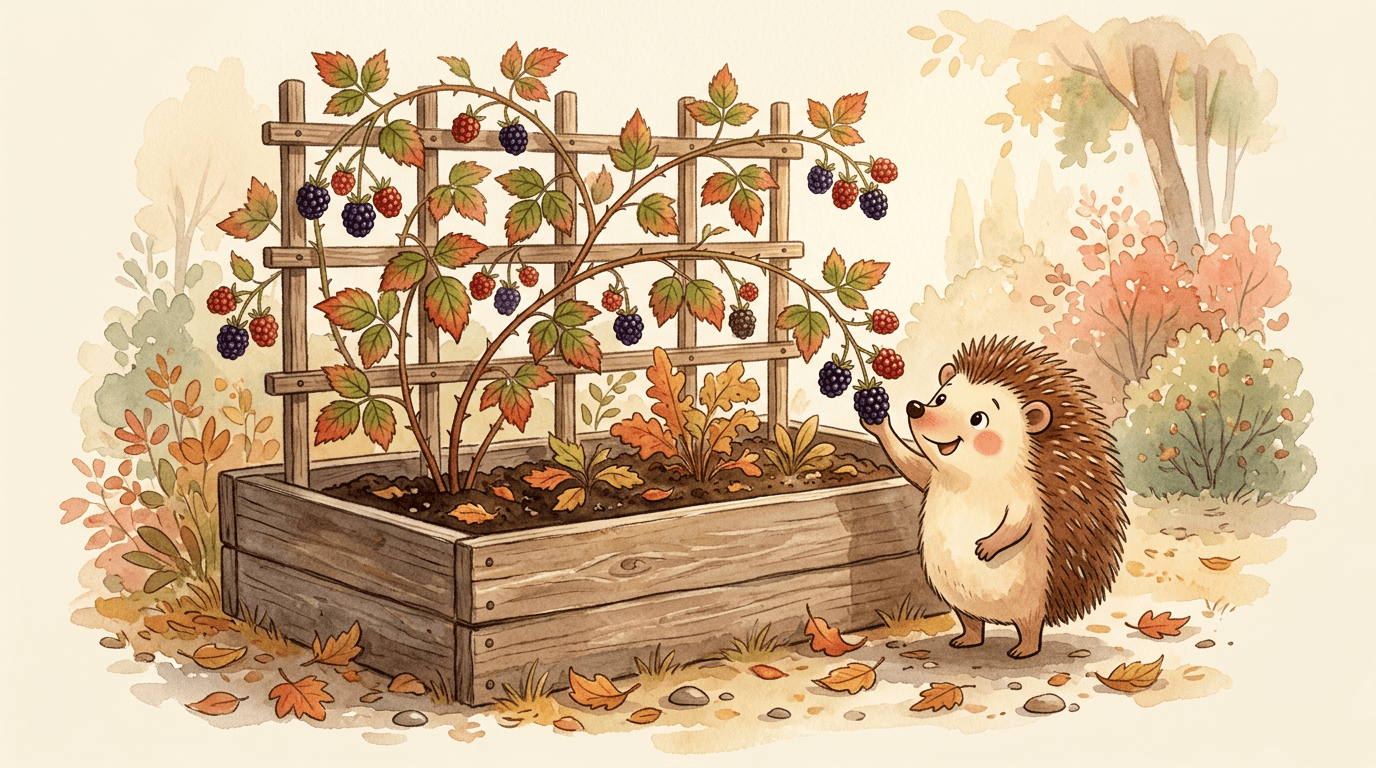
Planting blackberries in a raised bed this autumn: why one plant can already be too many
Frau Schneider ordered three thornless blackberry plants for her kids – all three meant for one single raised bed. I had to tell her that even one of them will outgrow it eventually. Here's what actually matters for an autumn planting.
October 9, 2026 · 2 min read
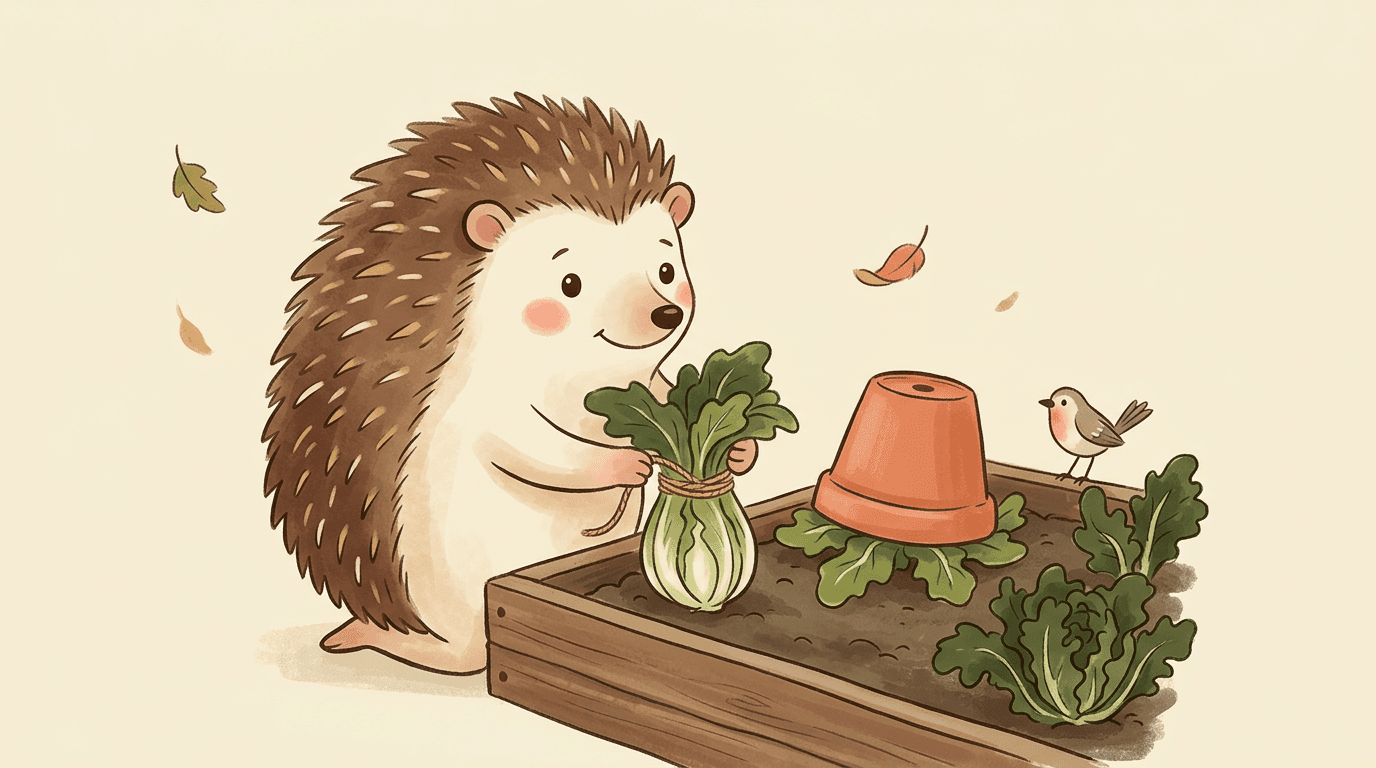
Blanching endive: the trick against bitterness – and where rot is lurking
Frau Schneider tied up her endive on a rainy afternoon because she didn't have time to wait. A week later the heart was brown and slimy instead of pale and tender. Here's what actually matters when you blanch it.
October 8, 2026 · 2 min read
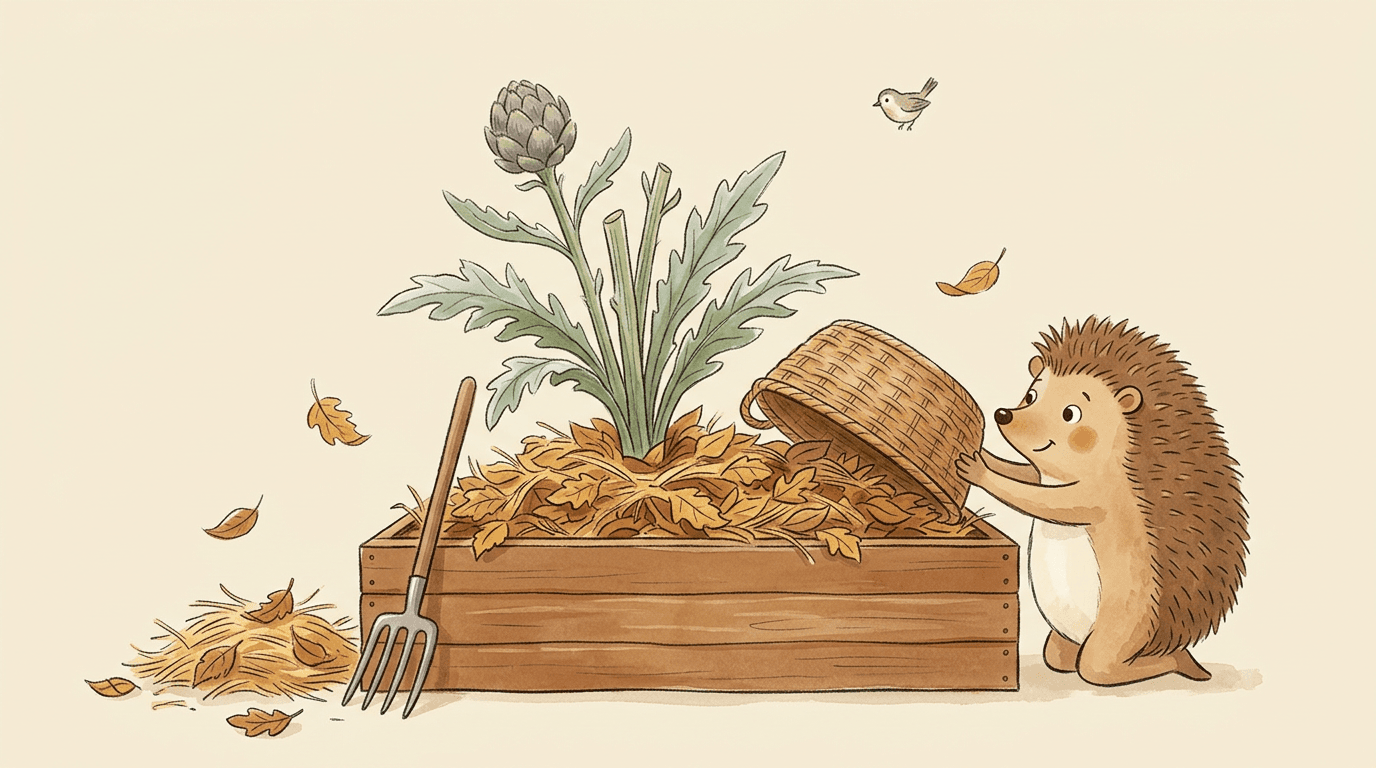
Overwintering artichokes: why they freeze faster in a raised bed than in open ground
Frau Schneider's artichoke grew real buds for the first time this summer – now she's worried the plant won't survive the first hard frost in her raised bed. She's right to worry: raised-bed soil freezes differently from garden soil. Here's how to protect the rootstock properly.