May 18, 2026 · by Stachi · 5 min read
2026 sowing calendar for your raised bed (DACH)
A sowing calendar for all of 2026 — month by month, what to start indoors, sow directly, and plant out. With the one catch most calendars don't mention.
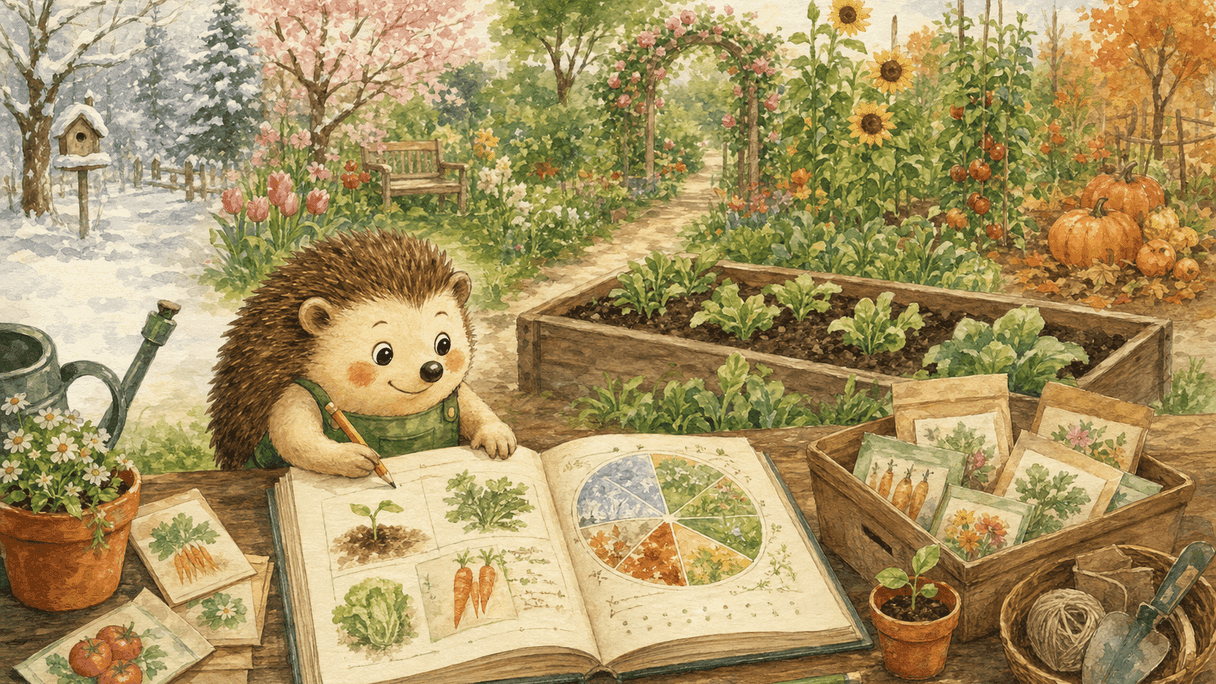
Every sowing calendar on the internet tells you the same thing: "Start tomatoes indoors in February, plant out mid-May." And every one of them is wrong for half the people reading it.
My neighbour, Mrs Schneider in Zürich-Affoltern, sowed by a calendar from a German gardening magazine in 2024. Her radishes came up three weeks late, because the calendar was written for northern Germany and she lives at 540 metres above Lake Zürich. The calendar knew nothing about her location. It only knew the month.
Here's my calendar for 2026. It's sorted by month, because that's practical. But read the catch first — otherwise it'll go for you the way it went for Mrs Schneider.
The catch: a calendar doesn't know your garden
A printed sowing calendar is an average. It assumes you live somewhere in the middle of Germany, Austria or Switzerland, at normal altitude, with average weather.
But you live in a specific place. And places differ:
- Krems an der Donau (Pannonian climate): last frost often as early as the start of May. You can plant out a week earlier than the calendar says.
- Munich (zone 7b, higher up): last frost into 20 May. The calendar says "mid-May" and kills your seedlings.
- Raised bed vs ground bed: a raised bed warms up a few days faster in spring. You can direct-sow a little earlier than someone with flat ground.
So take the calendar below as a frame, not a law. The fixed rule isn't the date — it's this: tender, heat-loving plants you started indoors only go into the bed after the ice saints (around 16 May in DACH — the ice saints are the traditional late-frost benchmark days in mid-May). Everything else follows your location.
January — February: plan, don't sow
Nothing grows in January. That's good. Use the time to plan: how much bed area do you have, what do you actually want to eat, which plants get along. Plan in January and you'll sow calmly in March.
February (indoors): the slow starters begin. Sow pepper and aubergine on the windowsill from early February — they need 8-10 weeks to a seedling. Tomatoes from mid- to late February, not earlier (otherwise they're too big and leggy before they're allowed out).
March: the first direct sowing
As soon as the soil in the raised bed reaches 5-8 °C — and in a raised bed that's often by mid-March, earlier than in a ground bed — start the cold-tolerant crops:
- Radishes — the classic, 4 weeks to harvest
- Spinach — tolerates light frost, likes the cool
- Peas — straight into the bed, add the support frame right away
- Carrots — slow, but possible now
- Pak choi — loves the cool weeks, turns bitter in summer
Indoors, continue: start lettuce and kohlrabi for an early April start.
April: the dense month begins
April lies. The sun tempts you, but ground frost in the first week of May hits DACH every other year. Don't let it lure you into planting out.
Direct-sow in April:
- Lettuce (loose-leaf and head)
- Chard
- Carrots (main sowing)
- Beetroot
- Beans — but only late April, they hate cold soil
Plant out: the lettuce and kohlrabi you started can go out, they take a bit of cold. Tomatoes, peppers, cucumbers: not yet. Even if the April sun is blazing.
May: before and after the ice saints
May is the densest month of the whole gardening year, and it has a sharp dividing line: the ice saints around 11-15 May.
Before the ice saints (1-15 May): keep direct-sowing — beans, a second round of radishes, more lettuce. Nothing heat-loving planted out yet.
After the ice saints (from around 16 May): now everything you've been growing indoors since February goes out. Tomatoes, peppers, aubergine. Plus the seedlings from the garden centre: cucumbers, courgettes, pumpkin. This is the big planting day of the year.
In Krems you can go a few days earlier (Pannonian climate), in Munich a few days later (higher, colder). When in doubt: three days too late beats one frost night too early.
June: re-sow wherever space opens up
In June you harvest the first radishes, the spring lettuce, soon the peas. Every harvested plant leaves a hole. Don't leave it empty:
- Carrots after peas (the peas leave nitrogen behind, the carrots are happy, the soil is loosened)
- Bush beans as a second round
- Lettuce in the shade of the big tomato plants
Re-sow in June and you harvest twice in autumn — same area, no extra work.
July — August: the autumn and winter sowing
The mistake many beginners make: in July the garden is "done" and they stop sowing. Wrong. Now you sow for autumn and winter:
- July: lamb's lettuce, autumn radishes, bush beans (last round), winter spinach from late July
- August: lamb's lettuce (main sowing for the winter half-year), spinach, Asian salads, winter lettuces
September — October: the last direct sowings
- September: lamb's lettuce still works, plant garlic (it overwinters and is harvested next summer), winter onions
- October: garlic (late planting), clear the bed, mulch, prepare for winter rest
November — December: harvest and rest
Harvest lamb's lettuce and winter spinach if you sowed in summer. Otherwise the bed rests. And you start at January again: planning.
The sowing calendar at a glance
| Month | Start indoors | Direct-sow | Plant out |
|---|---|---|---|
| Feb | Pepper, aubergine, tomato | — | — |
| Mar | Lettuce, kohlrabi | Radish, spinach, pea, carrot, pak choi | — |
| Apr | — | Lettuce, chard, carrot, beetroot, bean (late) | Lettuce, kohlrabi |
| May | — | Bean, radish | after ice saints: tomato, pepper, cucumber, courgette |
| Jun | — | Carrot, bush bean (re-sow) | — |
| Jul–Aug | — | Lamb's lettuce, winter spinach, Asian salad | — |
| Sep–Oct | — | Lamb's lettuce, garlic | — |
What a static calendar can't do for you
This table is a frame. What it doesn't know: whether your last frost is on 3 or 18 May. Whether your raised bed stands windy and dries out faster. Whether your pea harvest frees the bed for carrots.
That's exactly what Erntezeit works out: you enter postcode and bed size, I pull the frost data of the last 10 years for your point and build the calendar to the day — not to the month. But honestly: what's above works without me too. Print the table, pin it to the shed, and correct the May dates for your location.
Plant something nice.
🦔 Stachi
Related plants


More articles
October 10, 2026 · 2 min read
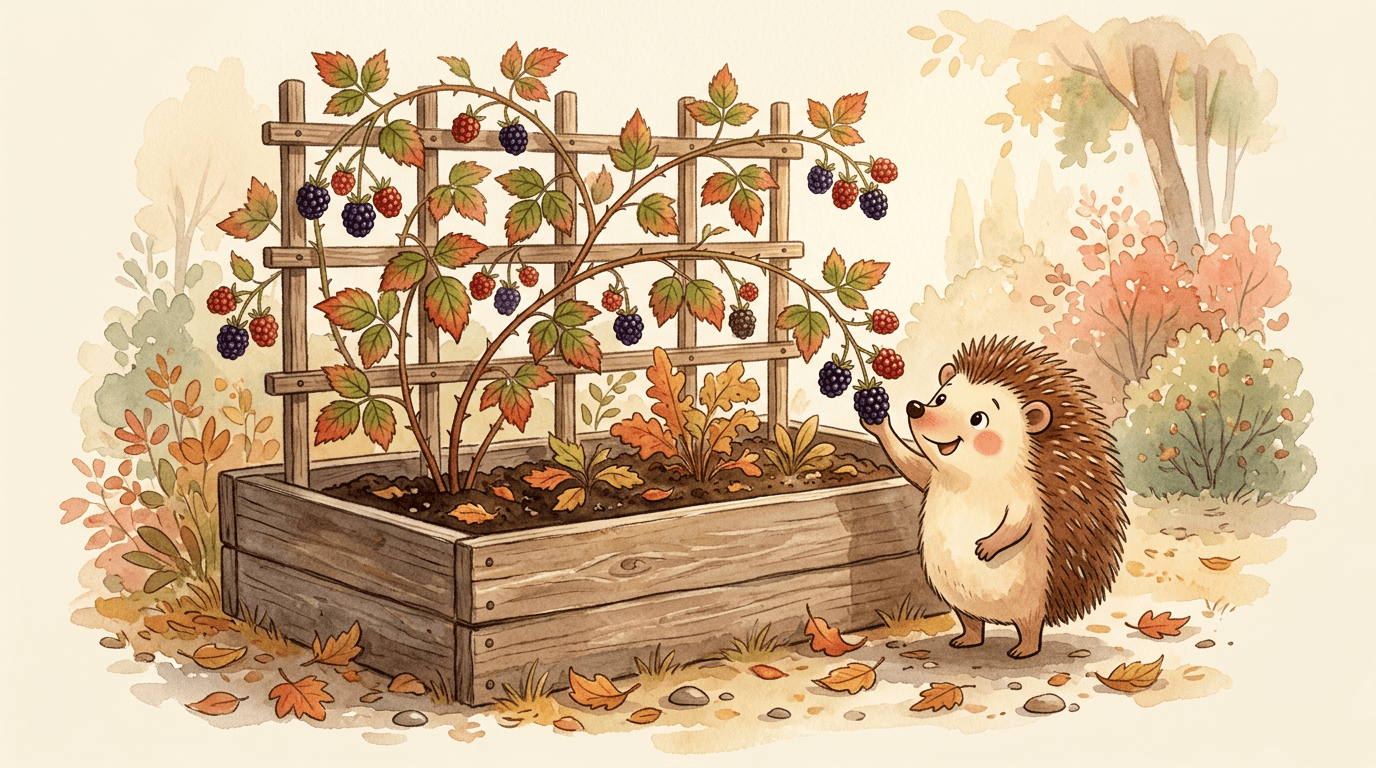
Planting blackberries in a raised bed this autumn: why one plant can already be too many
Frau Schneider ordered three thornless blackberry plants for her kids – all three meant for one single raised bed. I had to tell her that even one of them will outgrow it eventually. Here's what actually matters for an autumn planting.
October 9, 2026 · 2 min read
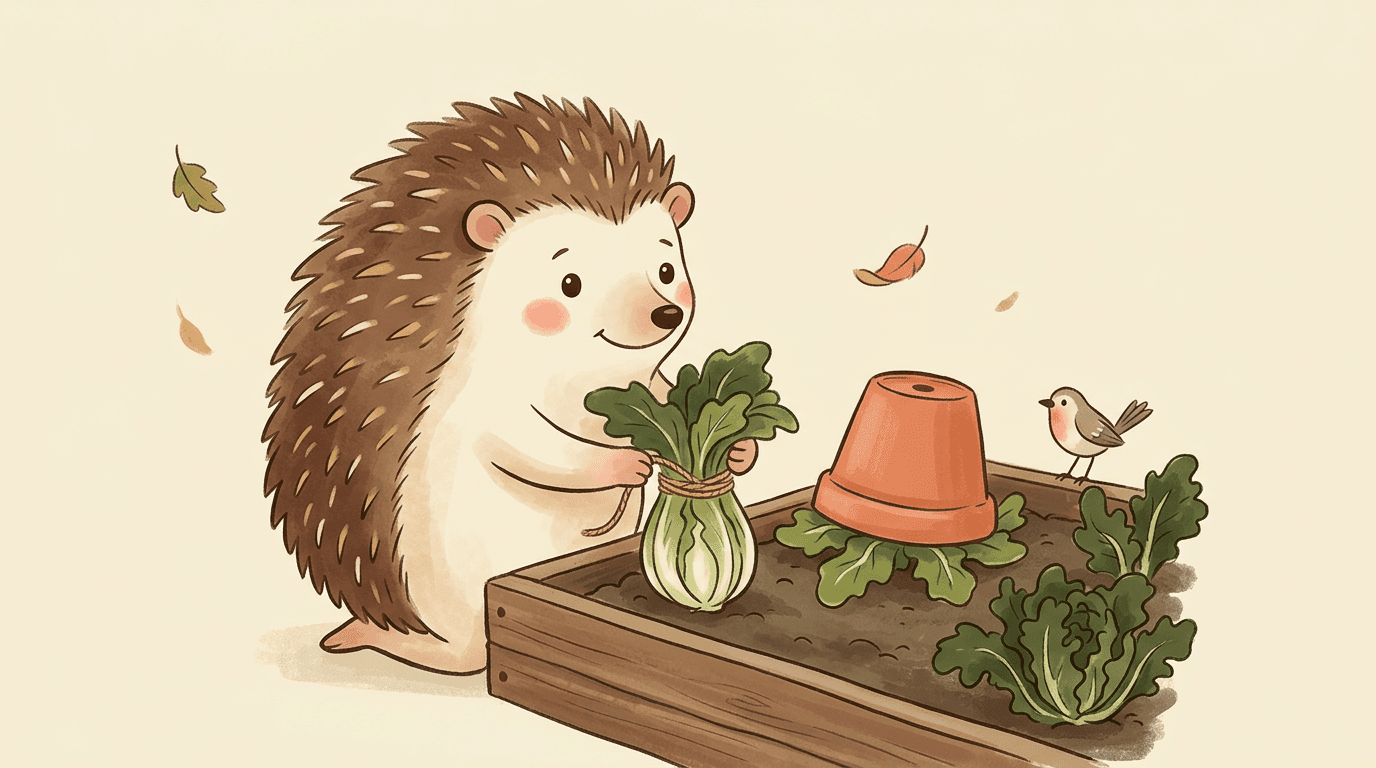
Blanching endive: the trick against bitterness – and where rot is lurking
Frau Schneider tied up her endive on a rainy afternoon because she didn't have time to wait. A week later the heart was brown and slimy instead of pale and tender. Here's what actually matters when you blanch it.
October 8, 2026 · 2 min read
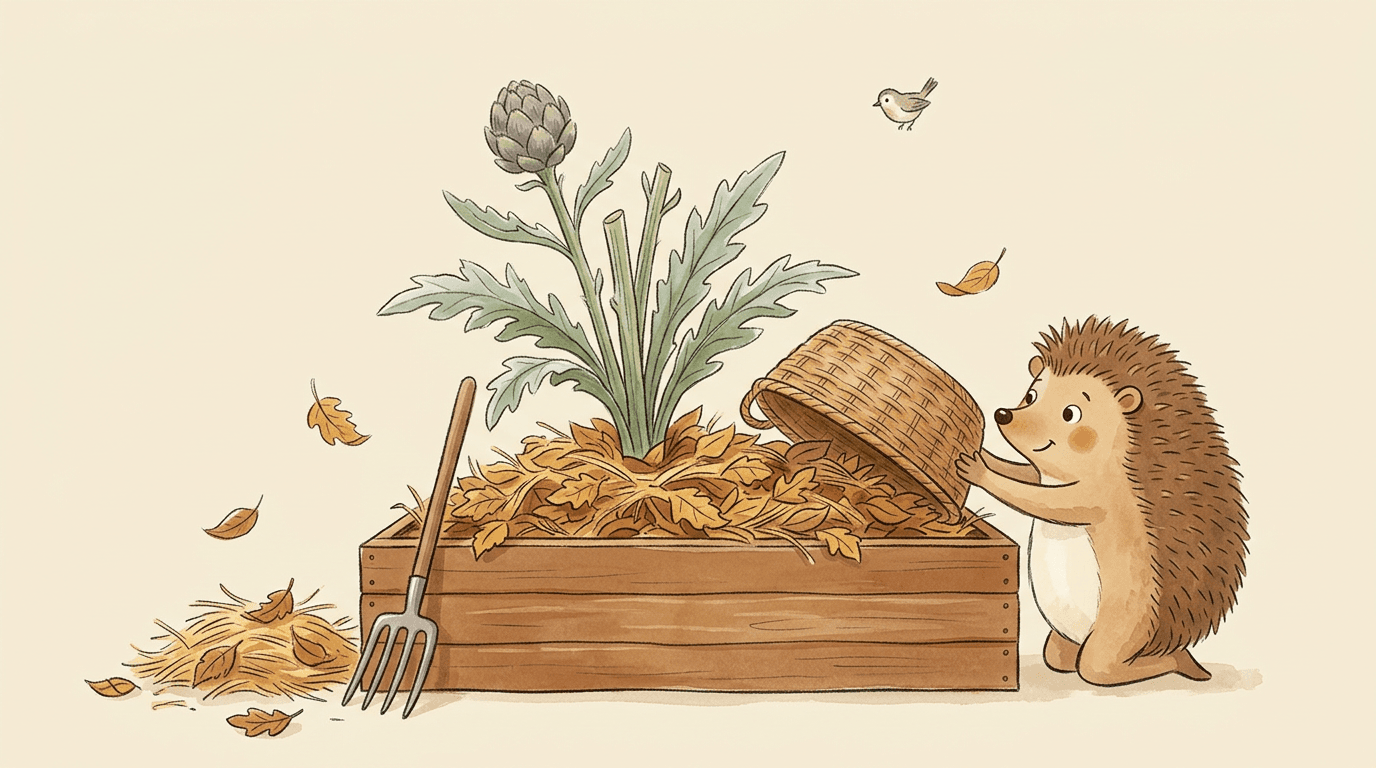
Overwintering artichokes: why they freeze faster in a raised bed than in open ground
Frau Schneider's artichoke grew real buds for the first time this summer – now she's worried the plant won't survive the first hard frost in her raised bed. She's right to worry: raised-bed soil freezes differently from garden soil. Here's how to protect the rootstock properly.