July 27, 2026 · by Stachi · 3 min read
Chard in the raised bed: why it gives you more the more you harvest
Mrs Schneider harvested her chard once in mid-June. Then she left it alone, thinking it needed time to recover. By July it was fifty centimetres tall. She thought she had done something wrong. She hadn't — she'd just stopped harvesting.
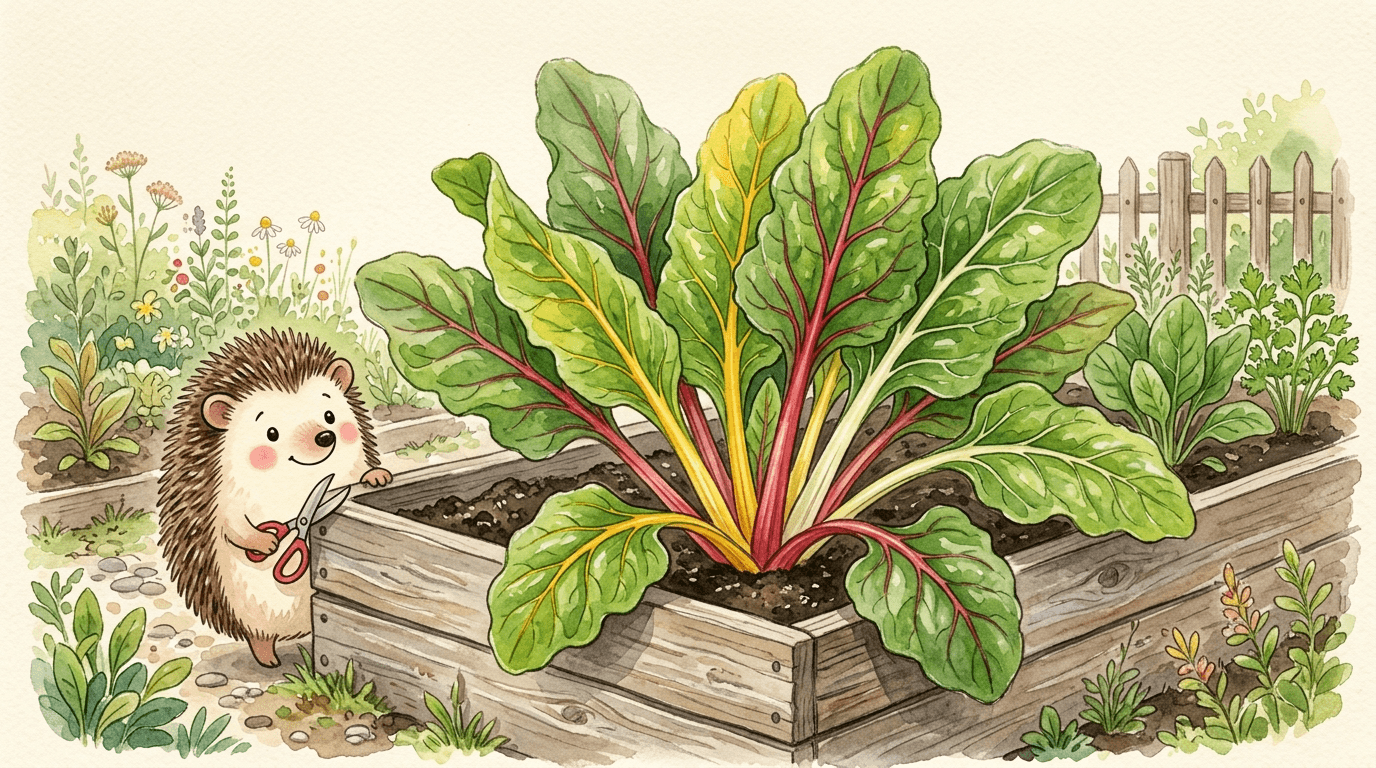
Mrs Schneider called me last week. "Stachi, my chard is enormous. The leaves are as big as my hand. What do I do with it?"
I asked when she last harvested.
"Early June," she said. "I took a few leaves and then left it alone so it could recover."
That's the mistake. The only one you can really make with chard.
Chard doesn't recover through rest — it recovers through harvesting
Chard is a cut-and-come-again crop. The plant keeps growing no matter what you do. If you don't harvest, the leaves get bigger, tougher, more bitter — and eventually the plant sends up a flower stalk. Once that happens, it's putting all its energy into seeds, not leaves.
If you harvest regularly, the opposite happens: the plant keeps producing new, tender leaves. The more you take, the more it gives.
I got this wrong in my second raised-bed year. I thought a plant I'd just cut needed a week's rest. That's roughly true for lettuce. For chard it's nonsense.
How to harvest properly
The rule of thumb: always take the outer, large leaves. Leave the small inner leaves alone. Those are the heart of the plant — in two weeks they'll be the next big leaves ready to cut.
I use scissors, cutting right at the base of the stem. Don't pull or tear — that can damage fibres that don't heal cleanly. A clean cut with scissors is all it needs.
How much at once? A third of the leaves per harvest is a safe guide. If the plant is bushy and full, that can already be a good handful.
How often? Here in Berikon I harvest chard every five to seven days in July. In the heat the plant grows fast — sometimes a week barely keeps up.
What to do with giant chard (Mrs Schneider's problem)
Mrs Schneider's leaves are very large now. Large leaves taste stronger, almost earthy, and the stems are thicker. That's not a problem — you just cook them differently.
Large chard leaves work well for:
- Stuffed leaves — like stuffed cabbage rolls, but with chard instead of cabbage. I make mine with rice and vegetables.
- Quick sauté — olive oil, garlic, salt, a squeeze of lemon. The stems need two minutes more than the leaf, so add those first, then the leaf.
- Separate leaf from stem — slice the leaf finely and sauté quickly, cook the stem separately as a vegetable. Two dishes from one plant.
The small tender leaves in the centre can be eaten raw, in salads or as a garnish.
Why chard is actually perfect for a raised bed
I discovered chard late. Courgettes, tomatoes, cucumbers — that was my raised-bed world. Chard seemed boring.
Now I grow at least two plants every year. Here's why:
It runs from May through the first frost. I've harvested chard into October, sometimes November if autumn is mild. No other leafy crop in the raised bed has that endurance.
It handles heat better than lettuce. In July, when lettuce bolts and turns bitter, chard is still going strong.
It grows without much fuss. Water it, that's it. No pinching, no staking, no fiddling.
It takes little space. Two plants 30 centimetres apart give me leaves from May to October on 60 centimetres of bed width.
A quick word on varieties
I grow Fordhook Giant here in Berikon most years — a classic green variety with white stems, robust and straightforward. There are also varieties with red, yellow, or orange stems, sometimes sold as "Rainbow Chard" or "Bright Lights". They look lovely and taste the same, but can be slightly more sensitive to heat in summer.
If you want to sow chard now: late July is a bit late for a direct sowing to give you a big autumn harvest. But if you start seedlings under glass, you can plant out in August and harvest until frost. Next spring — direct sowing March to May, or started indoors in April — that's when everything works perfectly.
What Mrs Schneider did
I told her: harvest every leaf bigger than your hand today. All of them. Then again in five to seven days.
She messaged later: "Made chard gratin for dinner. Fed four people."
That's all chard needs.
🦔 Stachi
Products mentioned in this post
- Plantura organic tomato seed set (10 varieties)Open-pollinated, good germination — robust for raised beds.
- Organic tomato seed set, 14 varieties
- Organic heirloom tomato seed set (Demeter, 12 varieties)
- Organic vegetable seed set, 10 varietiesCucumber, tomato, beetroot, broccoli, carrot, chard & more.
Related plants


More articles
October 26, 2026 · 3 min read
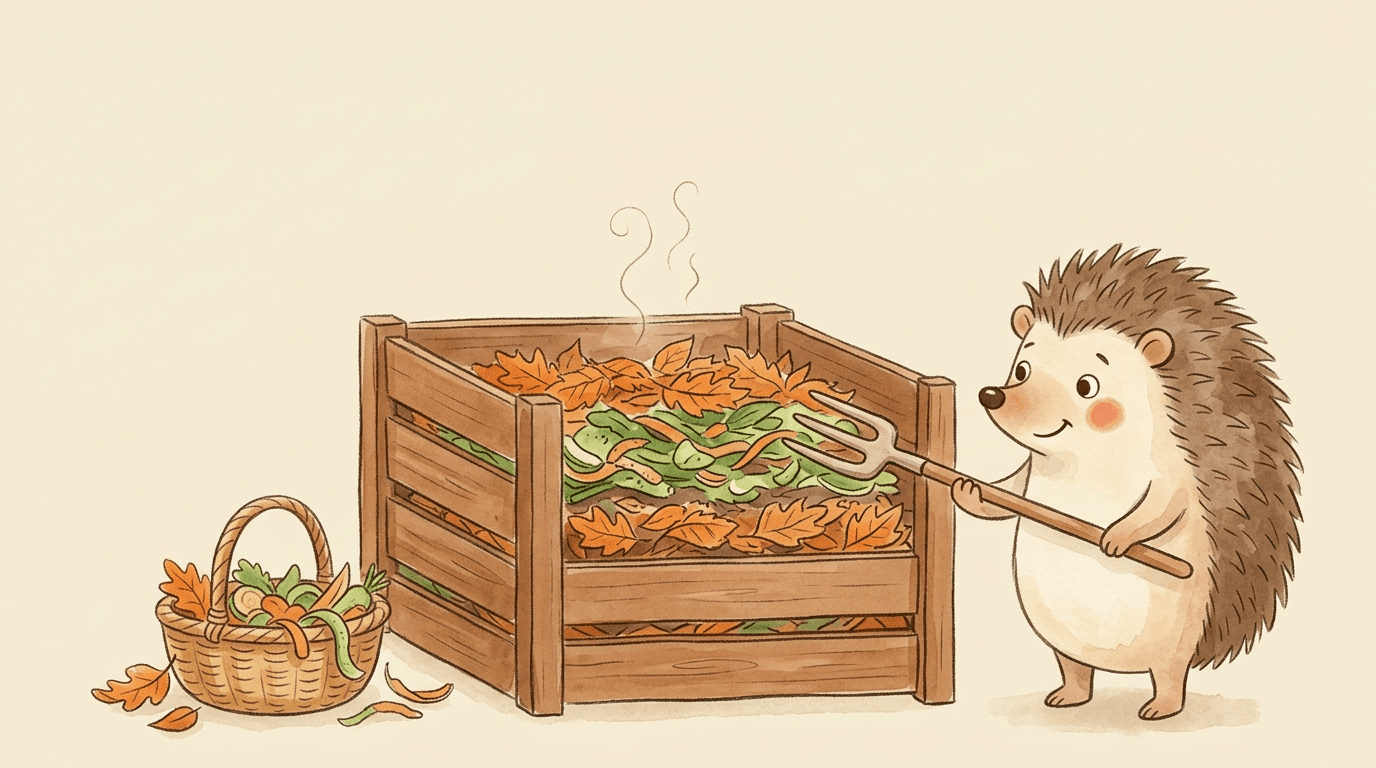
Starting an autumn compost pile: 3 parts leaves, 1 part kitchen scraps
Frau Schneider's compost pile just sat there all winter. No steam on cold mornings, no warmth, no breakdown — just a heap of dry leaves that hadn't changed a bit by March. The problem wasn't patience. It was the mix.
October 20, 2026 · 3 min read
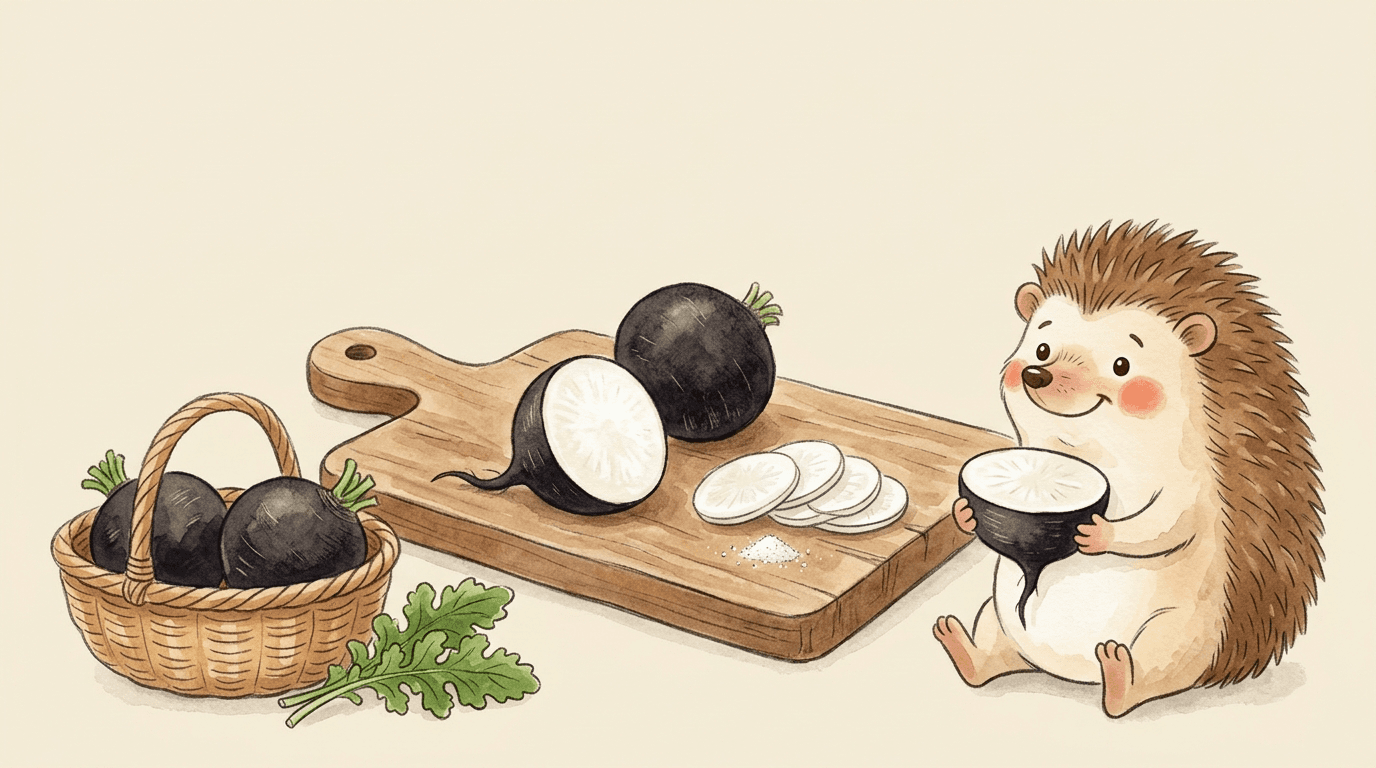
Black radish: why you should let it rest before you bite in
Last year Frau Schneider bit straight into one, unsalted, fresh out of the ground, and spent the next two minutes coughing instead of talking. The problem wasn't the radish. It was the timing.
October 14, 2026 · 2 min read
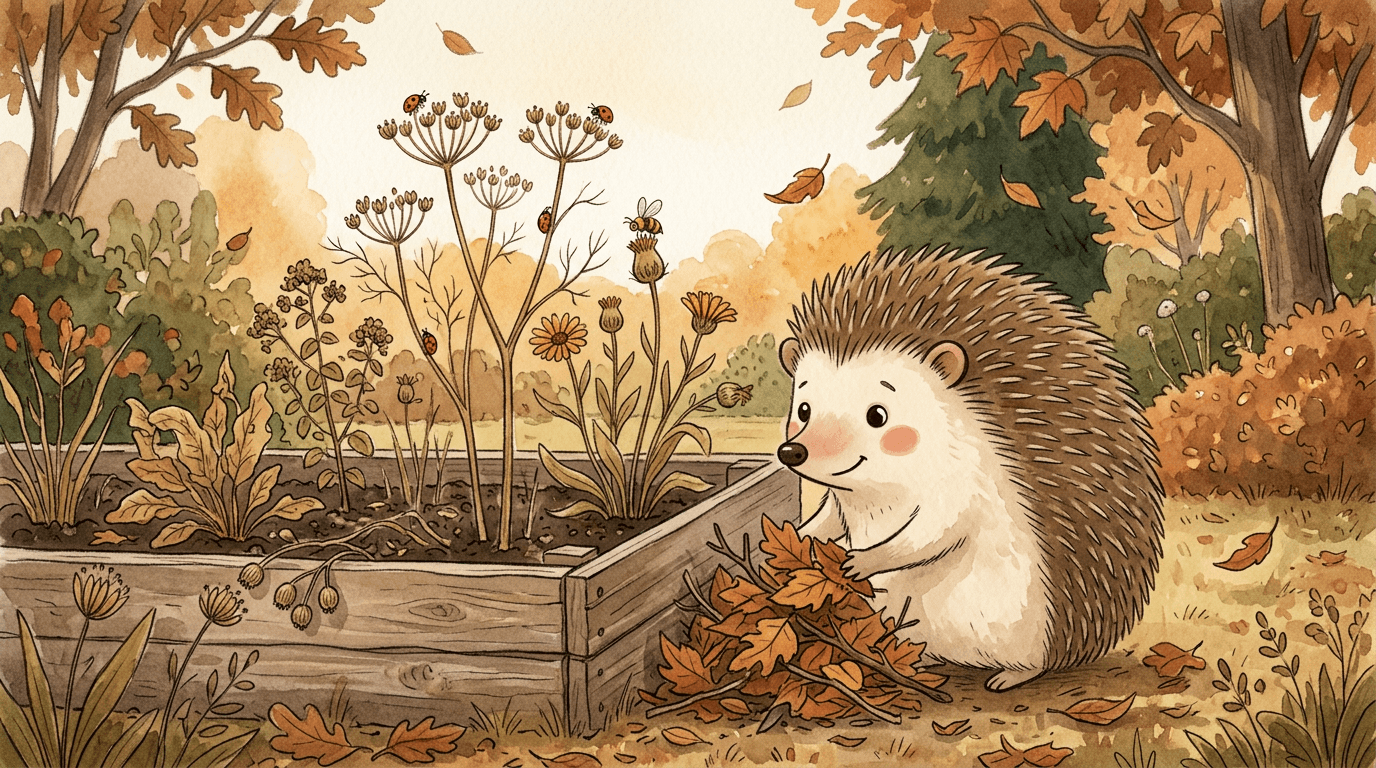
Why I only tidy up half my raised bed in October
Mr Zimmermann cut his entire raised bed down to the ground in one afternoon — stalks, seed heads, leaves, all gone. I should have warned him beforehand: not everything, only half. Here's what should stay standing and what really needs to go.