July 26, 2026 · by Stachi · 3 min read
Tomatoes splitting after rain: why it happens — and what actually helps
Three dry days last week, then a thunderstorm. The next morning, nine split tomatoes lay under the plant. Not because of the rain. Because of the two weeks before it.
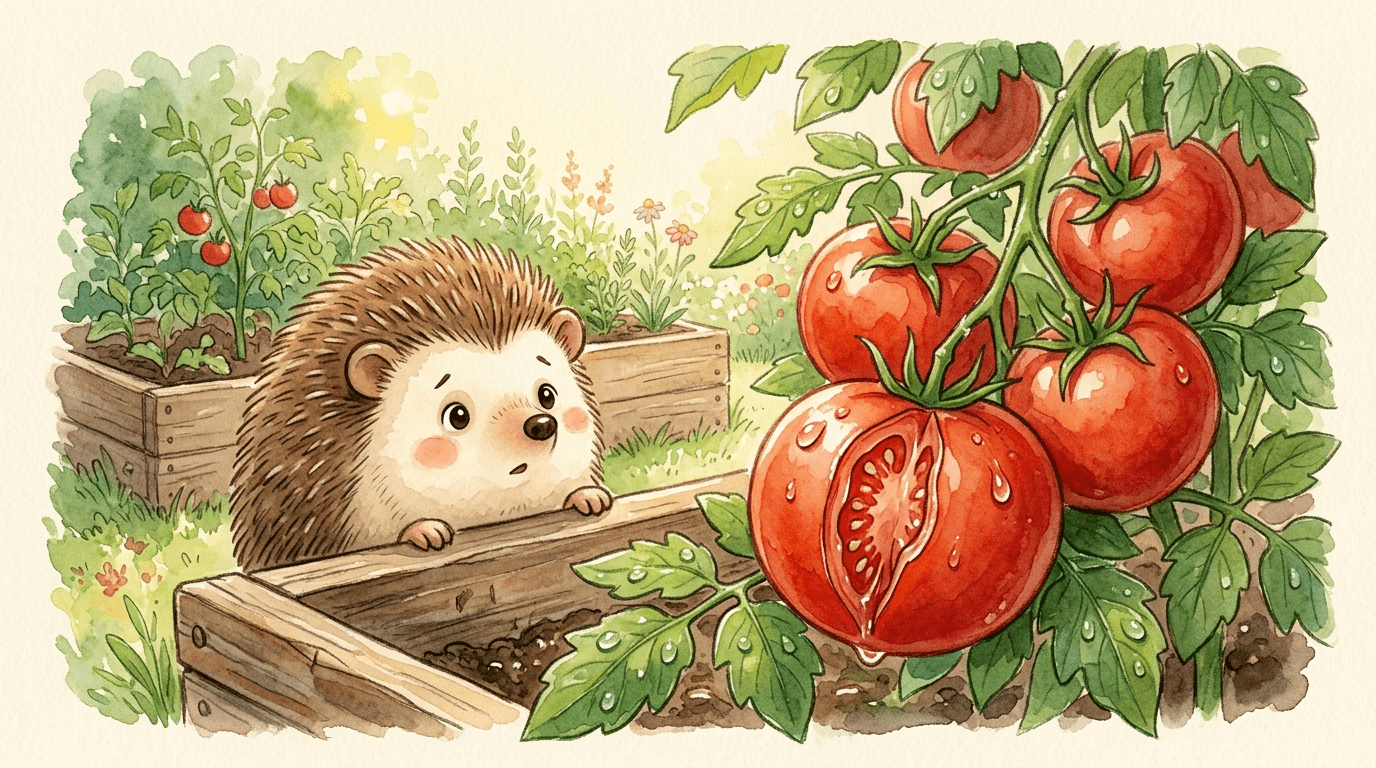
Last Tuesday it thundered here in Berikon. Short, but heavy. On Wednesday morning, Frau Schneider came over holding a tomato that looked like someone had drawn a line through it with a knife. A sharp vertical split at the top, the skin burst open, the inside already slightly browned.
"Is that mould?" she asked.
Not mould. The tomato simply grew too fast.
What happens inside the tomato
When a tomato gets little water for weeks and then suddenly a lot, it absorbs that water very quickly. The flesh inside swells faster than the skin around it. The skin isn't elastic enough to keep up. It splits.
It's not damage from outside. It's pressure from inside.
With Frau Schneider's tomato, that's exactly what happened: two weeks of dry weather, little water, then Thursday evening's rain. The fruit was nearly fully ripe — already firm and taut — and soaked up an hour's worth of rain like a dry sponge.
The main culprit: uneven moisture
Tomatoes almost never split when moisture is consistent. In years when I watered regularly, I barely had a split tomato. In years when I was lazy or went away and the bed dried out: plenty of splits.
The rule of thumb: tomatoes want a reliable amount of water every day or every other day. Not a lot once a week, then five dry days. The fruit pays for those swings with its skin.
I'd rather water my tomatoes daily for thirty seconds with a drip hose than twice a week for ten minutes each time. The difference in results is clear.
Mulch is the best insurance
I've been mulching my bed for two years now with grass clippings or straw, about a hand's width deep. What it does: the moisture in the soil stays more consistent. After a downpour, the mulch layer absorbs some of the water and releases it slowly. The soil under the mulch doesn't dry out as fast as bare soil.
Less fluctuation in the soil means fewer splits in the fruit.
Varieties that split less
Some varieties are more resistant to splitting. 'Tigerella' and cherry tomatoes in general split less often because their thinner skin is more flexible. Large fleshy types like San Marzano or beefsteak tomatoes split more easily because they have more flesh and a thicker inner wall that builds more pressure when swelling.
If splitting is a recurring problem for you, switching to a more resistant variety can help.
What to do with split tomatoes
Split tomatoes aren't lost as long as the crack is fresh and not yet brown or mouldy. Use them straight away: slice them, cook them as salsa, make tomato soup. Don't leave them hanging on the plant — the crack is an open invitation for mould.
If the splits are already a bit grey or soft: compost.
What I do now
After rain, I always check in the morning. Pick split tomatoes immediately. Look at the soil around the plants: too wet, too dry, consistent? If it was too dry, that means mulch more, water more often but less at a time.
Frau Schneider's nine tomatoes ended up in a soup. It was good. But it would have been better if they hadn't split in the first place.
In the Erntezeit planner you can see exactly when your tomato variety's peak season falls — and which week still makes sense for a follow-up sowing.
🦔 Stachi
Related plants


More articles
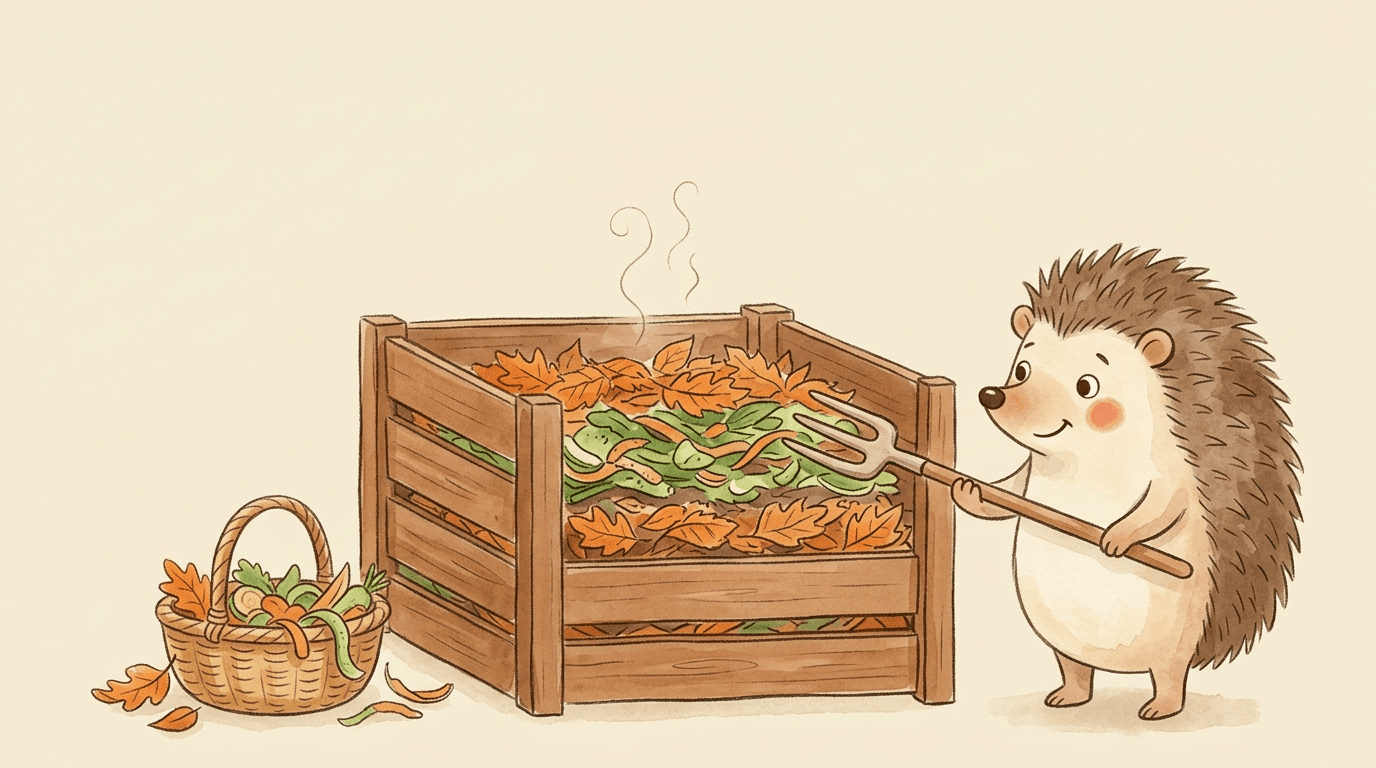
October 26, 2026 · 3 min read
Starting an autumn compost pile: 3 parts leaves, 1 part kitchen scraps
Frau Schneider's compost pile just sat there all winter. No steam on cold mornings, no warmth, no breakdown — just a heap of dry leaves that hadn't changed a bit by March. The problem wasn't patience. It was the mix.
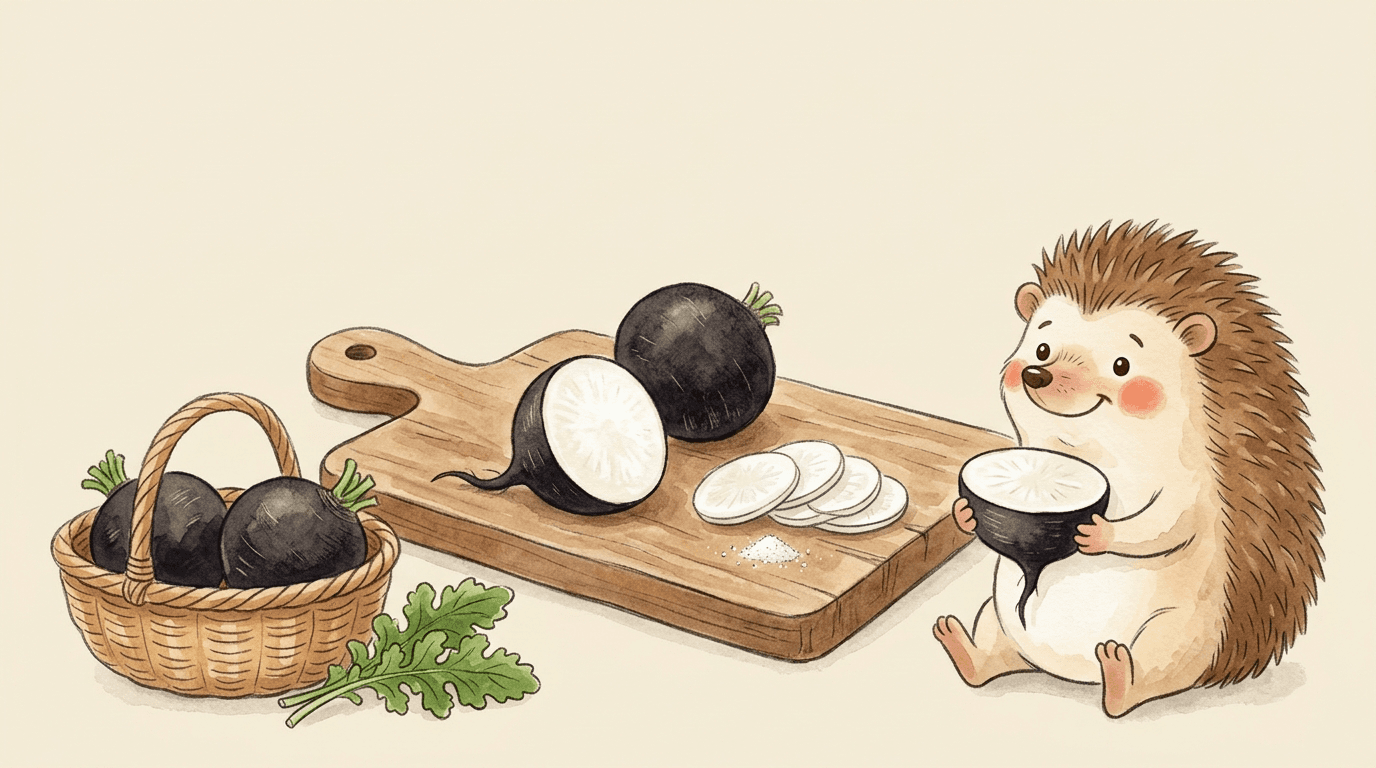
October 20, 2026 · 3 min read
Black radish: why you should let it rest before you bite in
Last year Frau Schneider bit straight into one, unsalted, fresh out of the ground, and spent the next two minutes coughing instead of talking. The problem wasn't the radish. It was the timing.
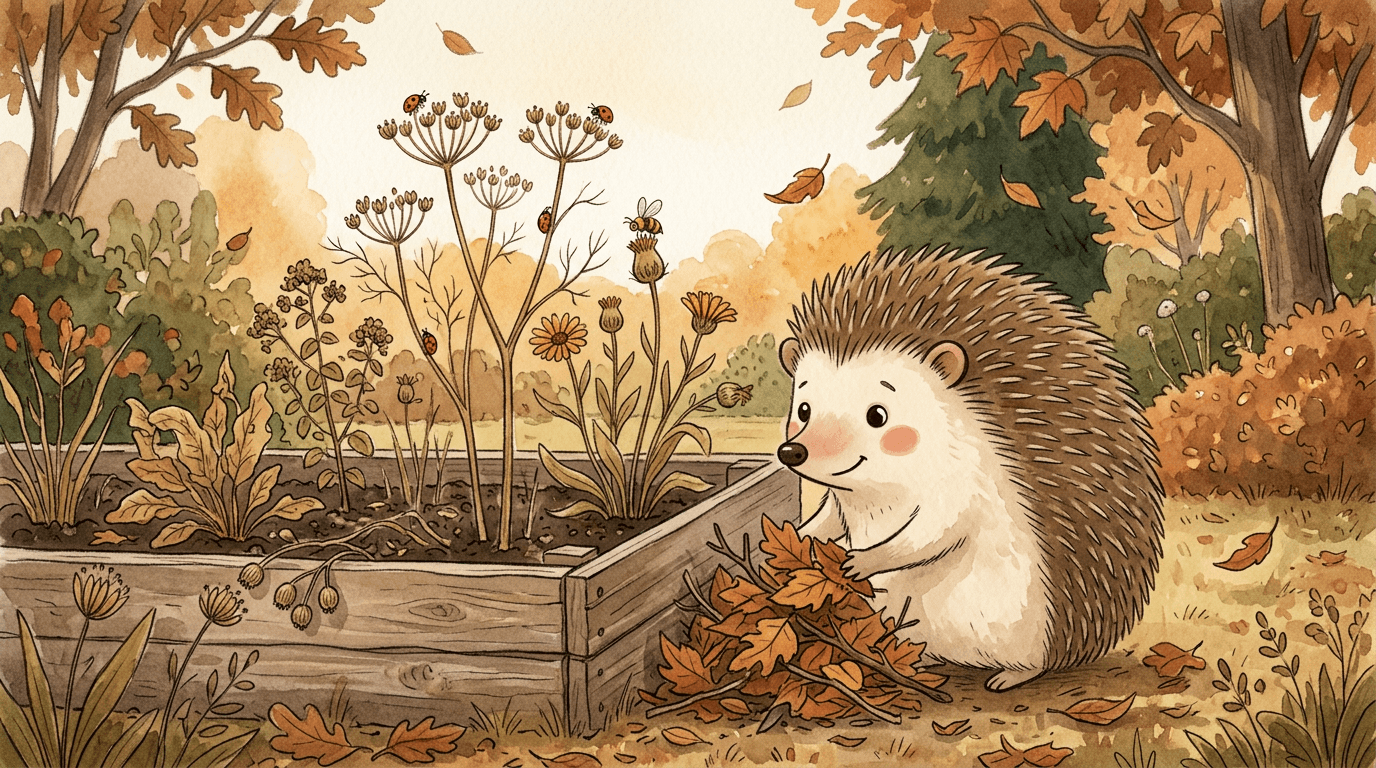
October 14, 2026 · 2 min read
Why I only tidy up half my raised bed in October
Mr Zimmermann cut his entire raised bed down to the ground in one afternoon — stalks, seed heads, leaves, all gone. I should have warned him beforehand: not everything, only half. Here's what should stay standing and what really needs to go.