July 30, 2026 · by Stachi · 3 min read
Strawberry runners: decide now whether to root new plants or let the mother recover
Mrs Schneider writes: 'Stachi, my strawberry plant is sending out threads everywhere. What do I do with them?' Right now — late July — you have two options. Which one you choose depends on what you want to harvest next year.

Mrs Schneider sent me a photo at the start of the week. You could barely see her raised bed — long, thin threads were running in every direction from the strawberry plant. Some hung over the edge, others lay across the ground beside it.
"Stachi, what are these threads? Should I cut them off?"
Those are runners. And the answer to her question depends on what she wants.
What runners are and why the plant sends them out
A runner is a long, thin stem the strawberry plant sends out after the harvest. At its tip sits a small rosette — a complete new plantlet, ready to put down roots as soon as it touches soil.
This isn't a disease and it's not a sign anything is wrong. It's how strawberries reproduce. The mother plant sends out offshoots in all directions, hoping one of them will take hold.
The problem: this action costs the mother plant energy. Energy it actually needs to strengthen its roots and form plenty of flower buds for next year.
You now have two options
Option A: root the runners and get new plants
If your strawberry plant is already three or four years old, it's worth raising replacements. Strawberries produce most heavily from their second year onward, and at some point — usually after year four or five — the harvest starts to drop noticeably.
Here's how: pick a runner with a well-developed rosette — the small cluster of leaves at the tip of the thread. Lay the rosette onto the soil in a small pot of compost placed beside the plant. Press it in gently or pin it down with a bent piece of wire or a clip, so it stays in contact with the soil. Leave the thread connected to the mother plant for now.
After two to three weeks the rosette will have formed roots. You'll know because new leaves are pushing out from the centre. Then cut the thread to the mother plant. The young plant is now independent.
In September or October you plant it into the bed — into fresh soil, ideally somewhere strawberries haven't grown for two or three years. It will root well before winter and carry a full harvest the following year.
Option B: cut all runners off and look after the mother plant
If your strawberry plant is only one or two years old and producing well, this is the better choice. You want the mother plant to put its energy into roots, not runners.
Cutting runners is simple: snip the thread as close to the mother plant as possible. No hesitation, no leaving "just one for later". All of them off.
The mother plant will thank you. It builds stronger roots, more flower buds, and carries better next year.
What I do myself
In my raised bed in Berikon (Switzerland) I currently have three strawberry plants: two 'Mara des Bois' from 2024, and one from 2022.
The two younger plants: all runners off, no hesitation.
The older plant from 2022: I've laid three runners with good rosettes into small pots. The rest I've cut off. In October the old plant comes out, the three new plants go in.
That way the bed stays planted, the new plants are free — and I never have to work with the same plant for more than five years.
When is the right moment?
Late July to mid-August is the ideal window. The runners are long enough, the rosettes well developed. By September the young plants have enough time to root in their pots.
If you wait until October it's still technically possible — but the young plants have less time, and winter arrives quickly.
What Mrs Schneider is doing now
I wrote back: "Look at the threads. Count your plants. How old are they?"
She replied: "Two years old, I think."
"Then cut all the runners off. Let her save her energy for next year."
She was briefly disappointed — she'd been hoping for free new plants. But sometimes the best thing you can do is leave the plant alone.
In two years, when it starts to slow down, that's the time for runners. Not now.
🦔 Stachi
Products mentioned in this post
- Plantura organic tomato seed set (10 varieties)Open-pollinated, good germination — robust for raised beds.
- Organic tomato seed set, 14 varieties
- Organic heirloom tomato seed set (Demeter, 12 varieties)
- Organic vegetable seed set, 10 varietiesCucumber, tomato, beetroot, broccoli, carrot, chard & more.
Related plants


More articles
October 26, 2026 · 3 min read
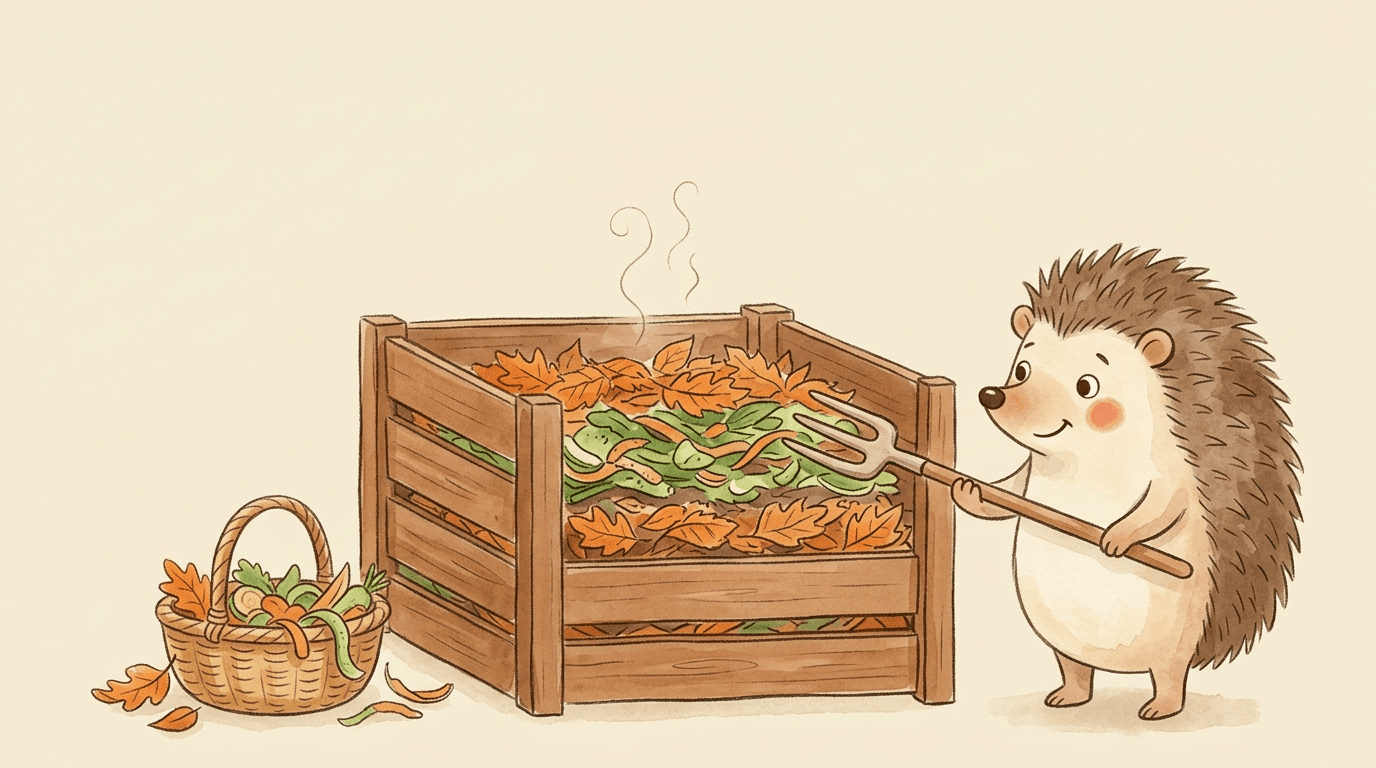
Starting an autumn compost pile: 3 parts leaves, 1 part kitchen scraps
Frau Schneider's compost pile just sat there all winter. No steam on cold mornings, no warmth, no breakdown — just a heap of dry leaves that hadn't changed a bit by March. The problem wasn't patience. It was the mix.
October 20, 2026 · 3 min read
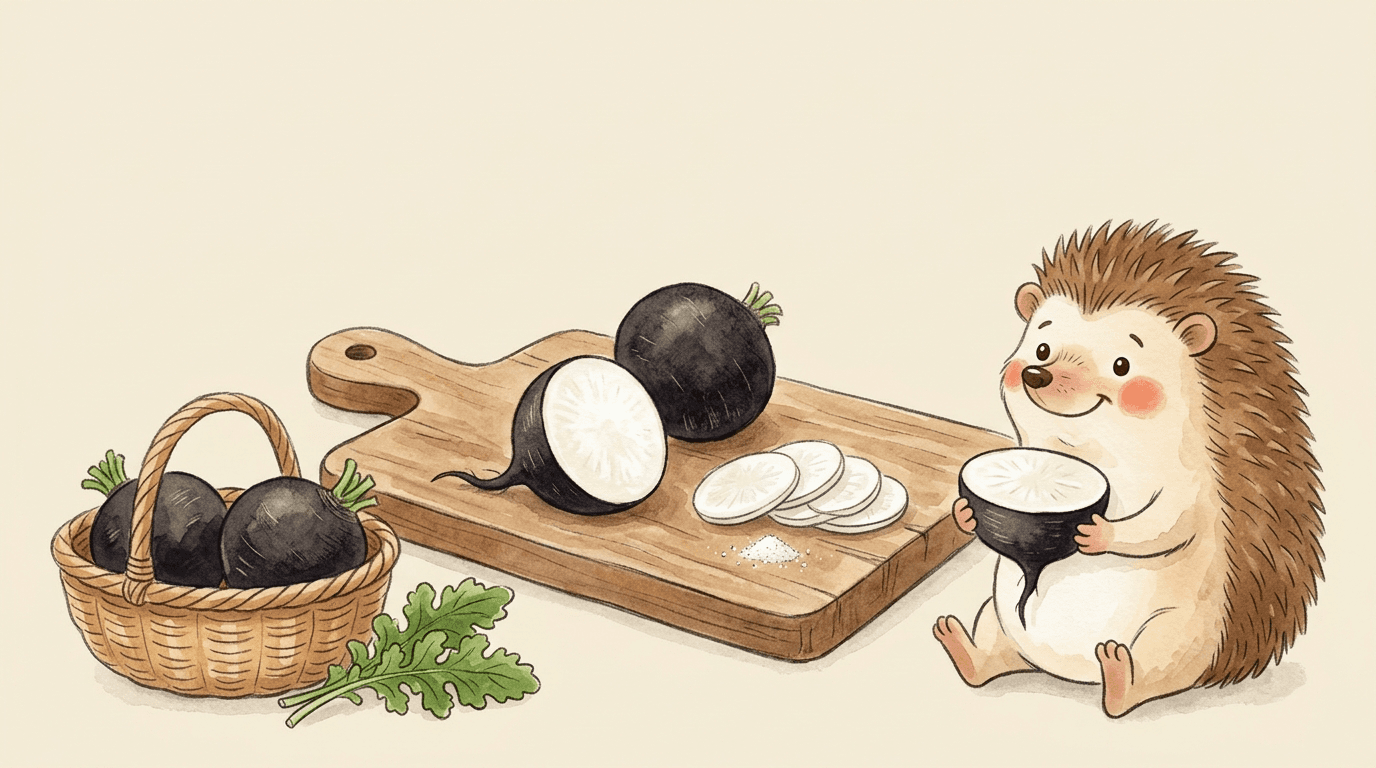
Black radish: why you should let it rest before you bite in
Last year Frau Schneider bit straight into one, unsalted, fresh out of the ground, and spent the next two minutes coughing instead of talking. The problem wasn't the radish. It was the timing.
October 14, 2026 · 2 min read
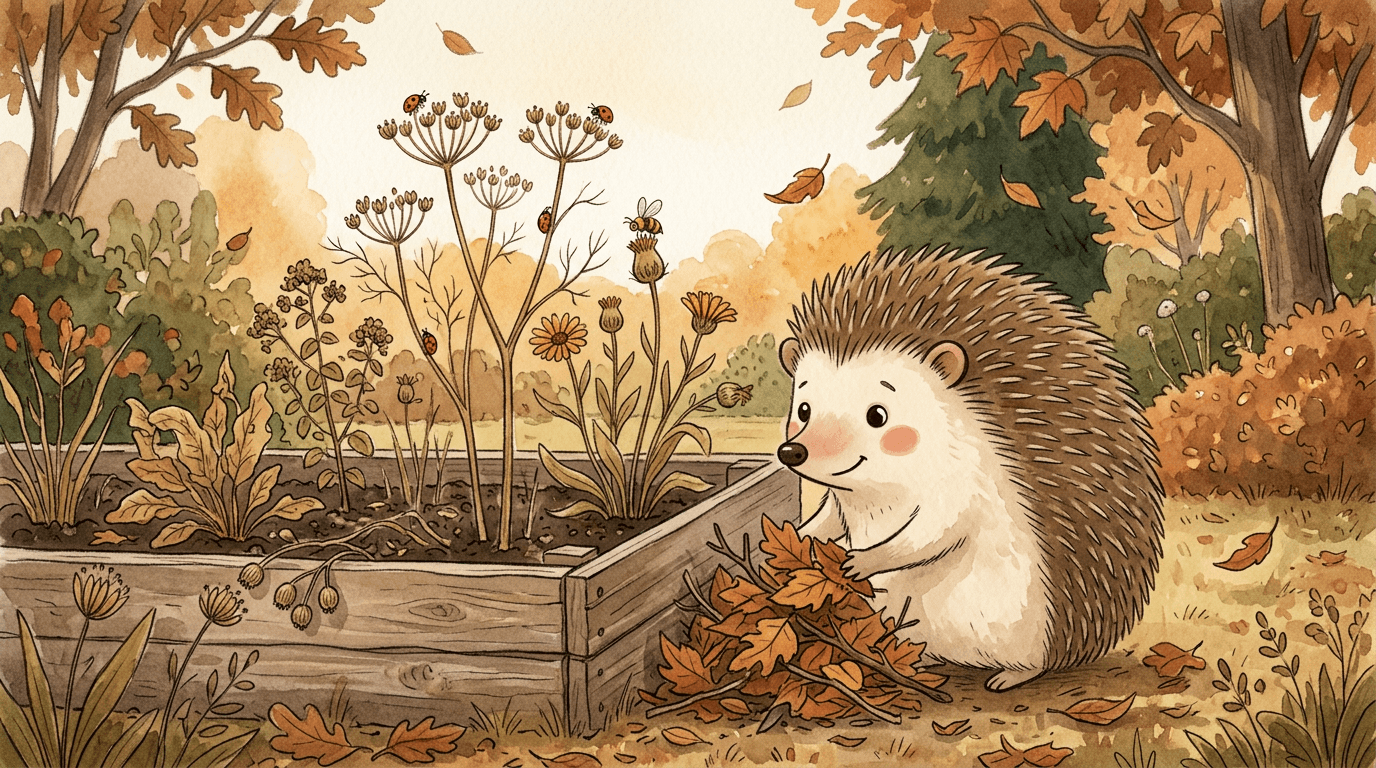
Why I only tidy up half my raised bed in October
Mr Zimmermann cut his entire raised bed down to the ground in one afternoon — stalks, seed heads, leaves, all gone. I should have warned him beforehand: not everything, only half. Here's what should stay standing and what really needs to go.