October 26, 2026 · by Stachi · 3 min read
Starting an autumn compost pile: 3 parts leaves, 1 part kitchen scraps
Frau Schneider's compost pile just sat there all winter. No steam on cold mornings, no warmth, no breakdown — just a heap of dry leaves that hadn't changed a bit by March. The problem wasn't patience. It was the mix.
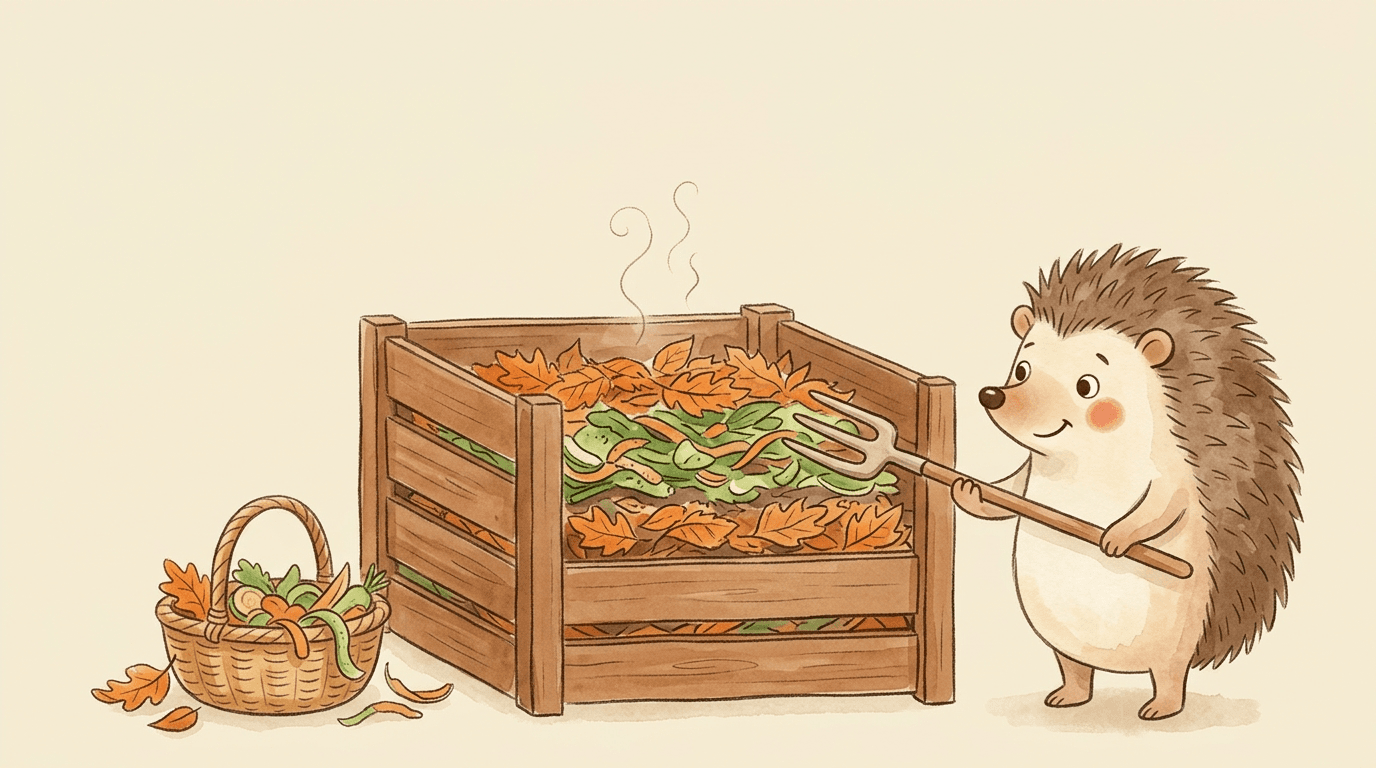
Last October, Frau Schneider built up a proud heap of leaves and spent plants behind her raised bed. In March, she pulled it apart with a garden fork, expecting dark, crumbly humus. Instead: five-month-old leaves, dry, flat, barely changed at all. "It didn't do anything," she said, almost offended. It had tried, though. It just never had what every compost pile needs to actually work.
Why a pile of pure leaves never heats up
Breaking things down is microbe work, and microbes need two things to eat at the same time: carbon and nitrogen. Dry leaves, straw, cardboard — those are the carbon-rich "browns." Fresh kitchen scraps, grass clippings, spent tomato plants — those are the nitrogen-rich "greens." Pile up nothing but browns, like Frau Schneider did, and the microbes have plenty of bulk but no fuel. The heap stays cold, dry, and barely changes, sometimes for years.
The ratio that actually works
As a rule of thumb, three parts brown to one part green by volume (not weight) gets things moving. In October you've got browns in abundance — fallen leaves, dead perennials, dry straw left over from mulching. The greens come in gradually over winter: vegetable peelings from the kitchen, coffee grounds, the last spent plants you pull out of the raised bed while tidying up.
Here's how to layer it in October:
- Coarse and loose at the bottom. A few handfuls of twigs or unshredded straw right on the soil, so air can get in from below. Skip this layer and the pile compacts on itself and rots instead of composting.
- Alternate brown and green, layer by layer. A handful of leaves, a handful of kitchen scraps or fresh green trimmings, more leaves. You don't need to measure exactly — two or three layers of each is enough to get the microbes going.
- Check moisture with your fist. Grab a handful from the middle of the pile and squeeze. Water drips out → too wet, add more browns. It crumbles bone-dry → too dry, pour on a watering can of water. Right is when it feels like a wrung-out sponge: damp, but nothing drips.
- Shredded breaks down faster than whole. One pass with the lawnmower over your leaf pile before it goes into the compost shaves weeks off the wait. Same trick I described for leaves straight in the raised bed — read it here if you haven't distributed yours yet.
How you know it's working
A well-mixed pile starts generating its own heat within one to two weeks. On cold mornings you'll actually see a faint wisp of steam rising from the middle; hold your hand near it and it's noticeably warmer in there than outside. That's not your imagination — it's real microbial activity, a sign the ratio is right and the process is running, even as temperatures head toward frost outside.
What doesn't belong in an autumn pile
Diseased plant material shouldn't go in — tomato or potato plants with late blight often survive composting and reinfect next year's crop (more on that in Late blight — what it actually is, and why it always finds your tomatoes). Skip walnut leaves, same reason as mulching them directly. And food scraps with meat, fish, or dairy reliably attract rats over winter — better off in the municipal green-waste collection.
What Erntezeit does with this
How soon your compost is finished and ready for next season depends a lot on the winter — but your year plan already shows you which areas get replanted first in spring, so you know exactly where fresh compost will do the most good.
Build a year plan for your raised bed →
Frau Schneider's second attempt already looks different after ten days: reach into the middle and it's noticeably warmer than the air around it, and last week's kitchen scraps on top are barely recognisable anymore. She's told me she's now collecting extra coffee grounds from her neighbour just to have enough greens for winter. A hedgehog begging for coffee grounds — that's what I've come to.
🦔 Stachi
Products mentioned in this post
- 5-tier worm composter 100 L with drain tapFor small raised-bed gardens with no room for a classic pile — keeps working through winter too.
- COMPO organic raised-bed compost, 40 LIf your own compost won't be ready until spring but the soil needs nutrients now.
More articles
October 20, 2026 · 3 min read
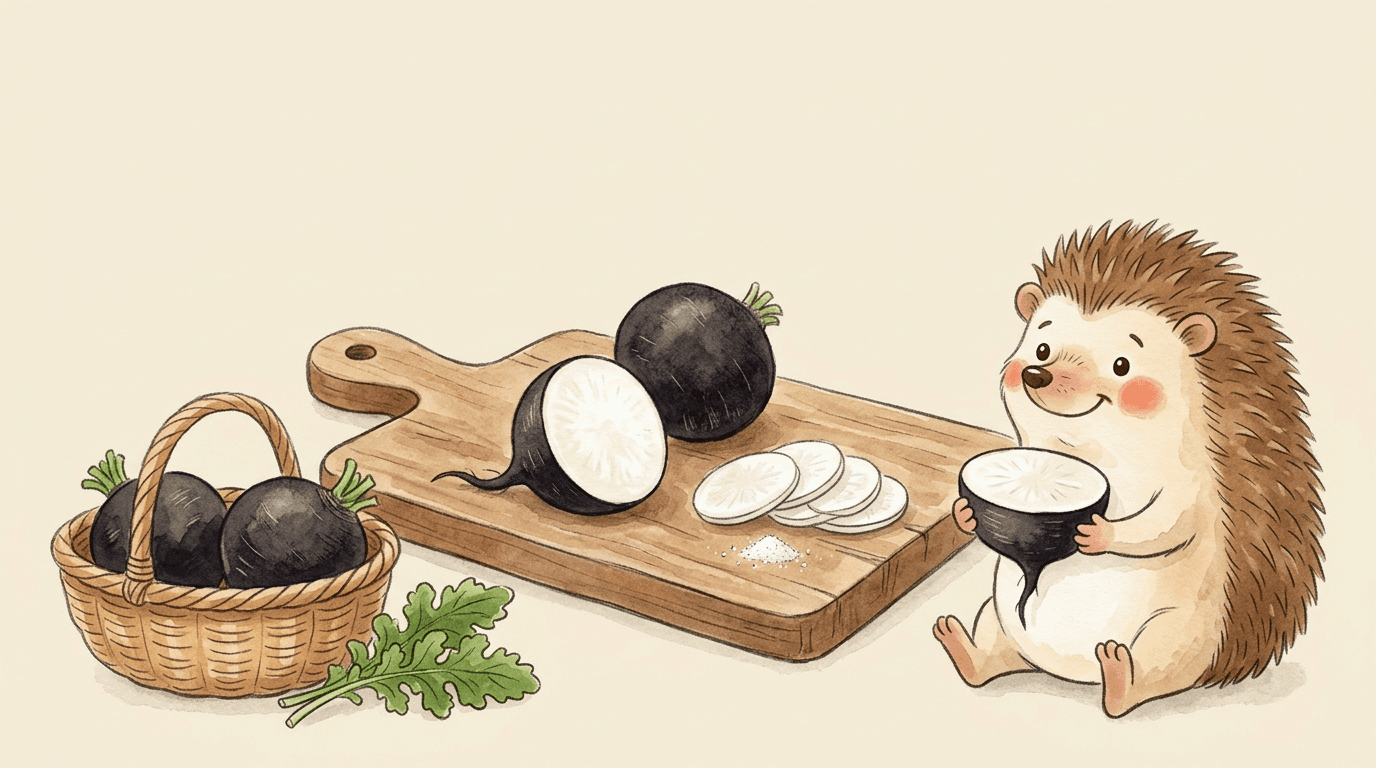
Black radish: why you should let it rest before you bite in
Last year Frau Schneider bit straight into one, unsalted, fresh out of the ground, and spent the next two minutes coughing instead of talking. The problem wasn't the radish. It was the timing.
October 14, 2026 · 2 min read
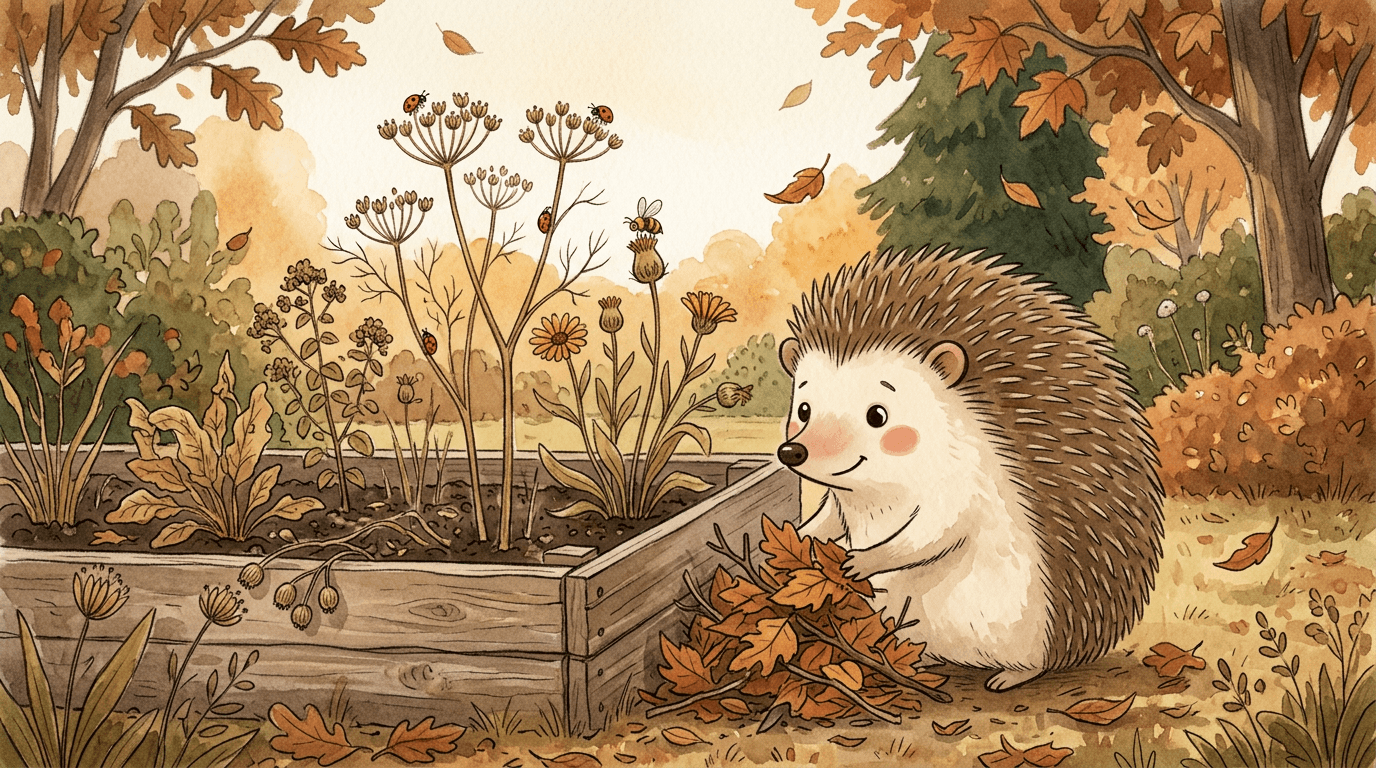
Why I only tidy up half my raised bed in October
Mr Zimmermann cut his entire raised bed down to the ground in one afternoon — stalks, seed heads, leaves, all gone. I should have warned him beforehand: not everything, only half. Here's what should stay standing and what really needs to go.
October 10, 2026 · 2 min read
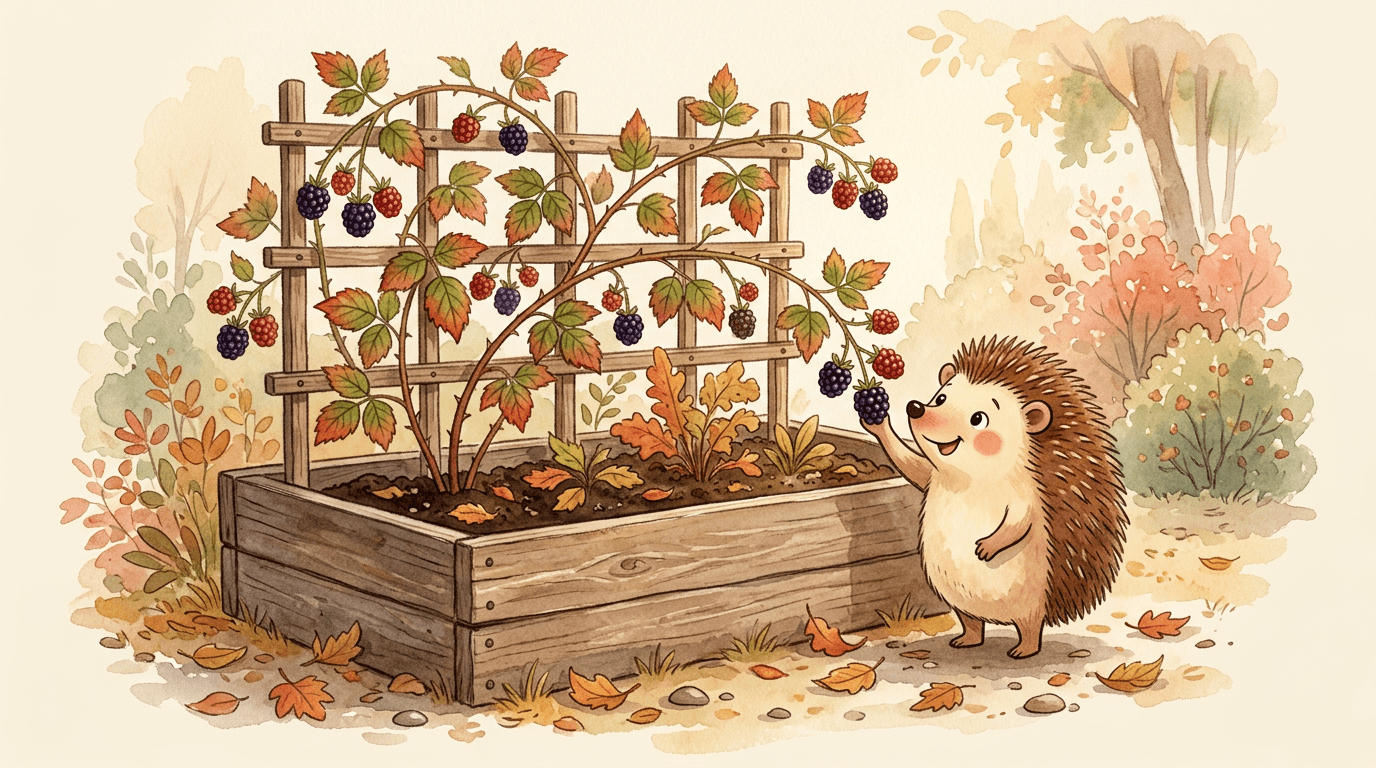
Planting blackberries in a raised bed this autumn: why one plant can already be too many
Frau Schneider ordered three thornless blackberry plants for her kids – all three meant for one single raised bed. I had to tell her that even one of them will outgrow it eventually. Here's what actually matters for an autumn planting.