March 13, 2026 · by Stachi · 3 min read
Topping up your raised-bed soil — the five-minute spring job that saves your season
Last autumn the soil was right at the rim. In March, ten centimetres are suddenly missing. What's happening, and how do you fill it back up properly?
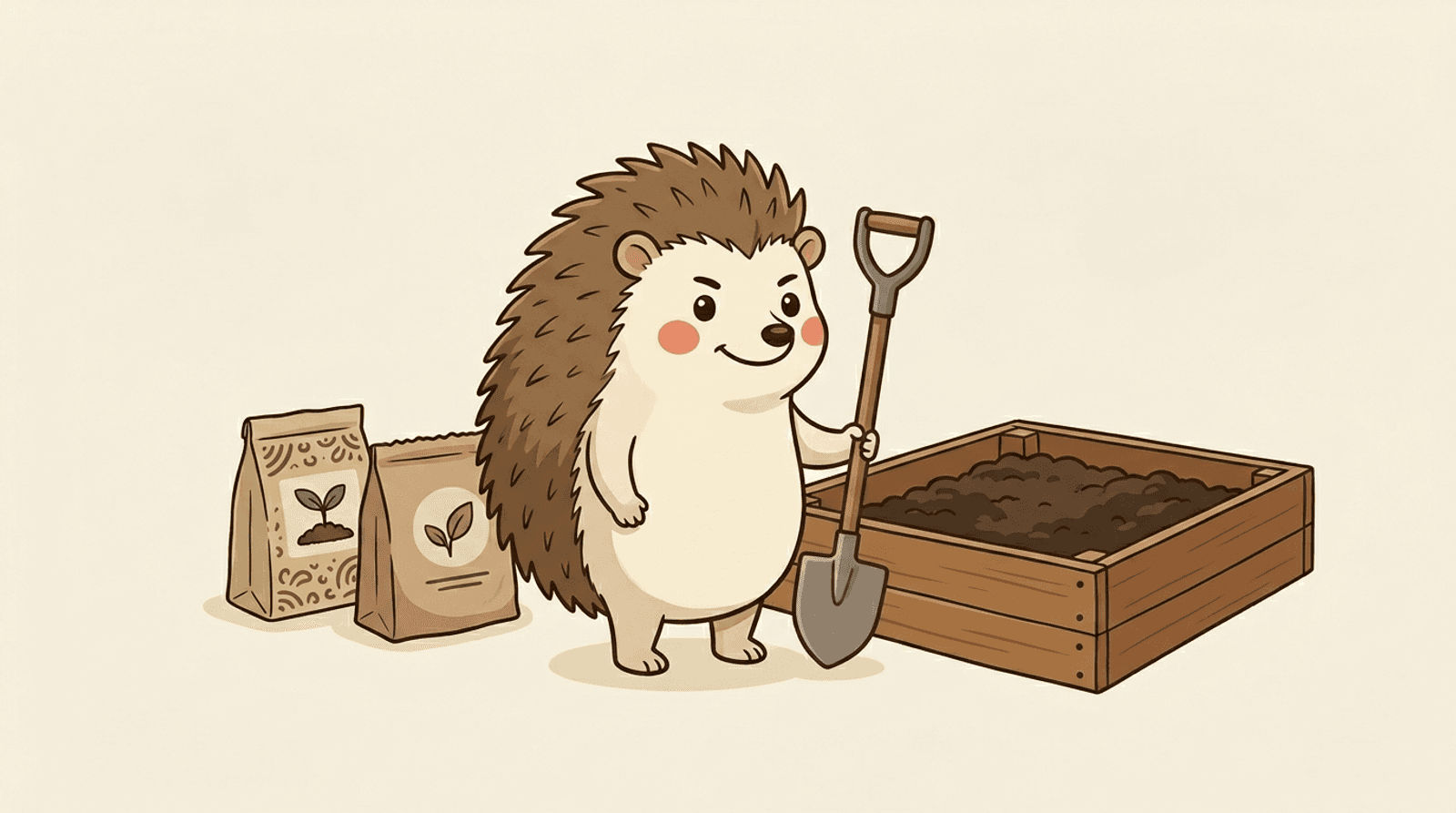
You come back to the raised bed in March, ready to sow the first radishes, and notice: the soil has settled.
Last autumn it sat neatly at the upper edge, now there's an 8-10 cm gap. You stick a hand in and think: "Is this normal? Is this a problem? Should I buy new soil? Which kind?"
Yes, yes, yes, and "depends". The whole job takes less than half an hour, costs €15-25 in materials, and makes the difference between a mediocre garden year and a really good one.
Why the soil settles
Raised-bed soil is built in three layers, stacked:
- Bottom layer (40 cm): coarse twigs, branch trimmings, wood. The "drainage sponge".
- Middle layer (20-30 cm): half-rotted compost, shredded mulch, grass-clipping mix. The "warmth layer".
- Top layer (15-20 cm): planting soil, finished compost. The "root layer".
Over the summer, microorganisms work through all of this. They rot the branches at the bottom, decompose the compost on top, turn solid matter into loose soil. Volume gets lost in the process.
Rule of thumb: 5-10 cm settles per year. In the first 2 years after building, more like 10 cm; after that it stabilises at 5-7 cm. A raised bed that has never been topped up after 5 years is suddenly only half full.
What happens if you don't top up
Year 1: nothing. Year 2: less root space, so smaller plants. Year 3: plant roots hit the half-rotted wood layer below, which works to a limit. Year 4: your tomatoes are noticeably smaller, your lettuce bolts earlier, your strawberries dwindle.
You blame "the season was just bad". Actually it's just missing soil.
What you need (for an 80×120 cm raised bed, 8-10 cm top-up)
- 1 bag of planting soil (40 L) — €8-12. I buy "organic peat-free planting soil". Peat-free is ecologically right + the plants grow just as well.
- 1 bag of compost (20 L) — €6-10. If you have your own compost: even better. Mature, crumbly compost with an earthy-sweet smell. If it smells of ammonia: not ready, wait another 2 months.
- Optional: 1-2 handfuls of horn shavings — €5. Slow-release nitrogen for 4-6 months. Only if you don't have fresh compost.
Total cost: €15-25, depending on bed size.
The 5-minute March routine
Old plant remains out. If there are still lettuce stumps or old roots, dig them out. Into the compost.
Loosen the top. With a small rake, loosen the top 5 cm. You want to aerate the upper layer, not turn it over.
Compost on top. A 3-4 cm layer of mature compost. Spread evenly, don't compact.
Planting soil on top. Fill the rest with fresh planting soil. Up to ~3 cm below the rim. Fresh, brown-black, slightly moist. Spread evenly.
Smooth with a hand and water once thoroughly. The soil settles, the new layer binds to the old below.
Done. Takes 20 minutes including hauling the bags.
What you shouldn't do
- Don't dig it up. Raised-bed soil thrives on its layered structure. Turning it over destroys the warmth layer below.
- Don't just add soil without compost. Pure planting soil has no microorganisms — it's a sterile substance from the bag. Without compost, the top third of your raised bed becomes a desert.
- No stable manure in spring. Stable manure (cow, horse) is too nutrient-rich for seedlings — burns the roots. If you want to use manure: work it in during autumn, not spring.
- No old garden-centre compost from last year. That's usually completely depleted. Fresh always wins.
When to fully replace
After 5-7 years, the warmth layer in the raised bed is fully decomposed. Then you can hollow out the upper half in late autumn, put the lower material into the compost, and rebuild the bed completely — branches at the bottom, compost, planting soil.
That's a Saturday's work, but then you have another 7 quiet years.
What Erntezeit does for you
We don't write "top up soil: 5 cm, March, €15" into your plan. That's background knowledge, not a sowing date. What we do: your sowing date for radishes is mid-March. When you walk up to the bed and find it half full — here's the manual.
Try the bed planner — we make the sowing plan, you make the soil.
🦔 Stachi
More articles
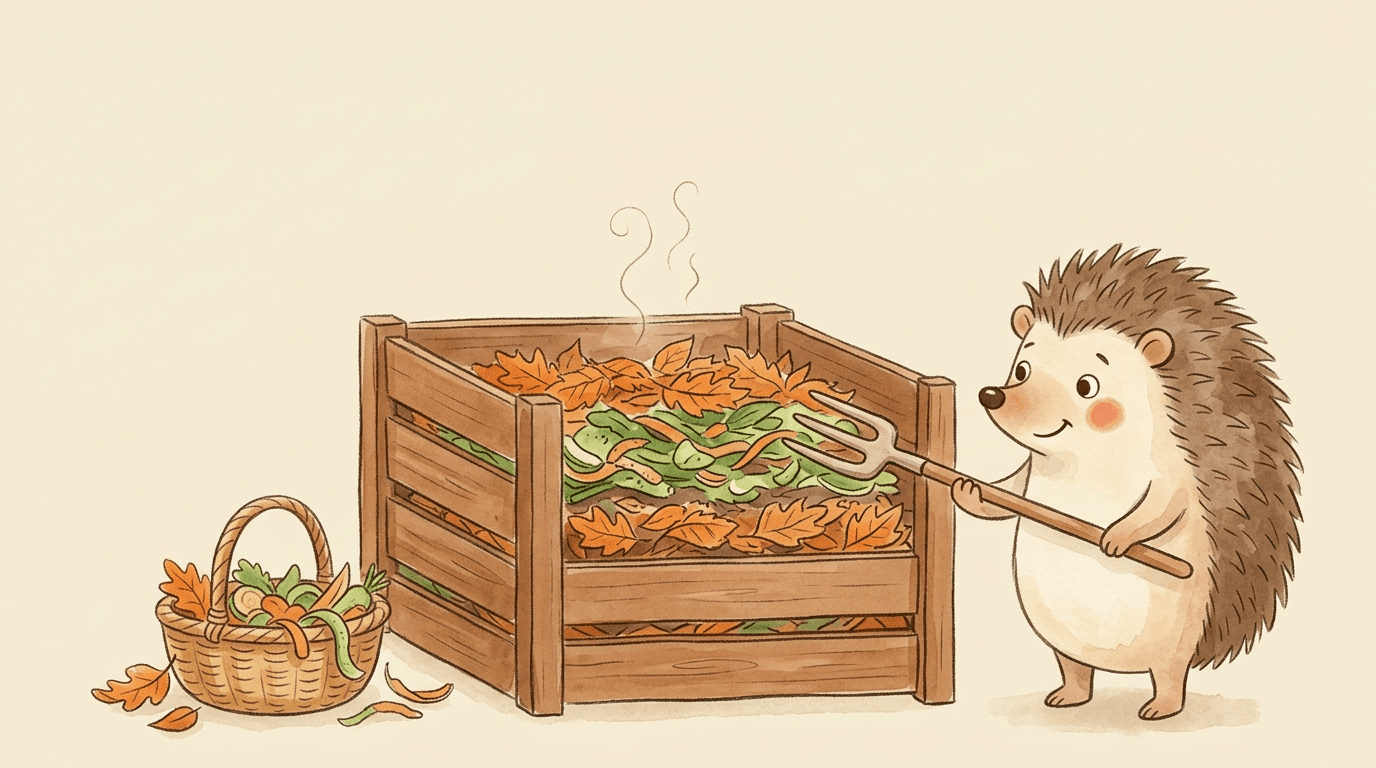
October 26, 2026 · 3 min read
Starting an autumn compost pile: 3 parts leaves, 1 part kitchen scraps
Frau Schneider's compost pile just sat there all winter. No steam on cold mornings, no warmth, no breakdown — just a heap of dry leaves that hadn't changed a bit by March. The problem wasn't patience. It was the mix.
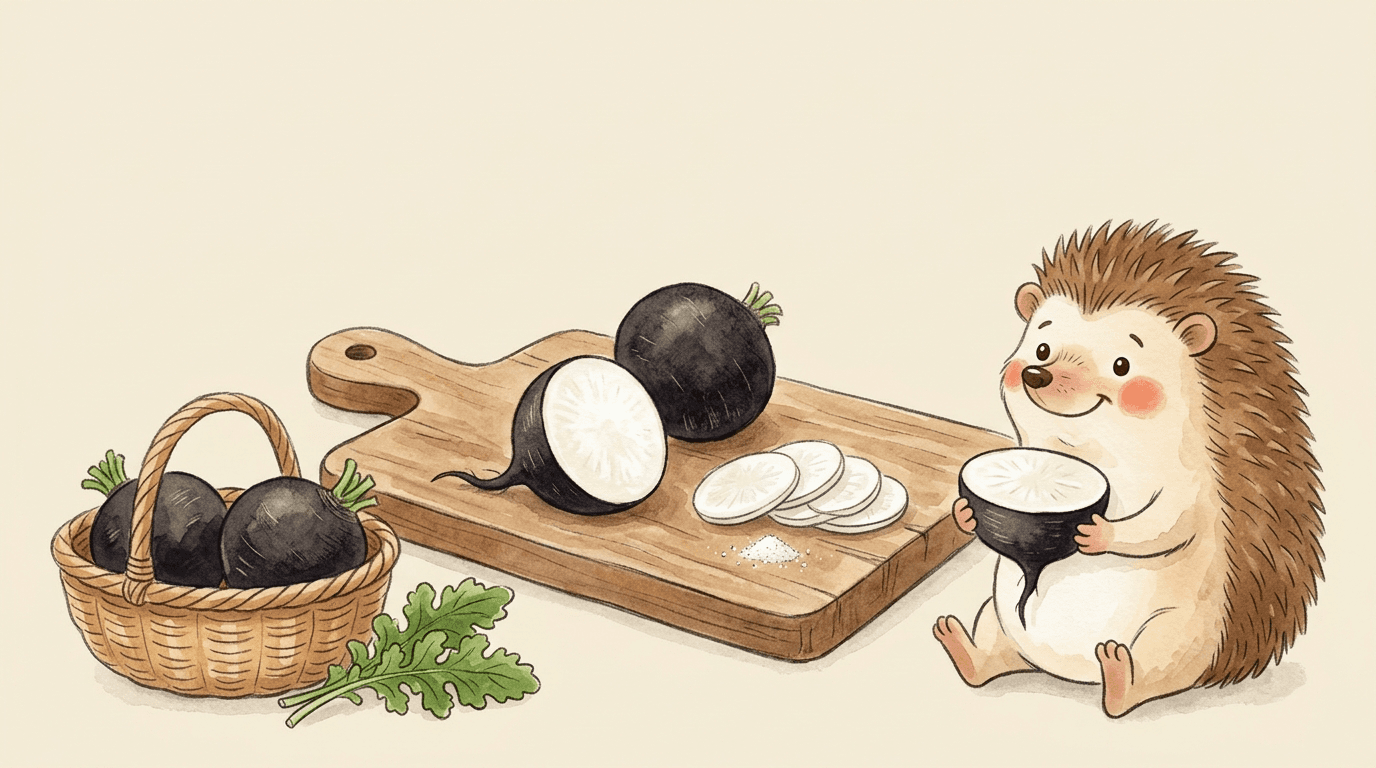
October 20, 2026 · 3 min read
Black radish: why you should let it rest before you bite in
Last year Frau Schneider bit straight into one, unsalted, fresh out of the ground, and spent the next two minutes coughing instead of talking. The problem wasn't the radish. It was the timing.
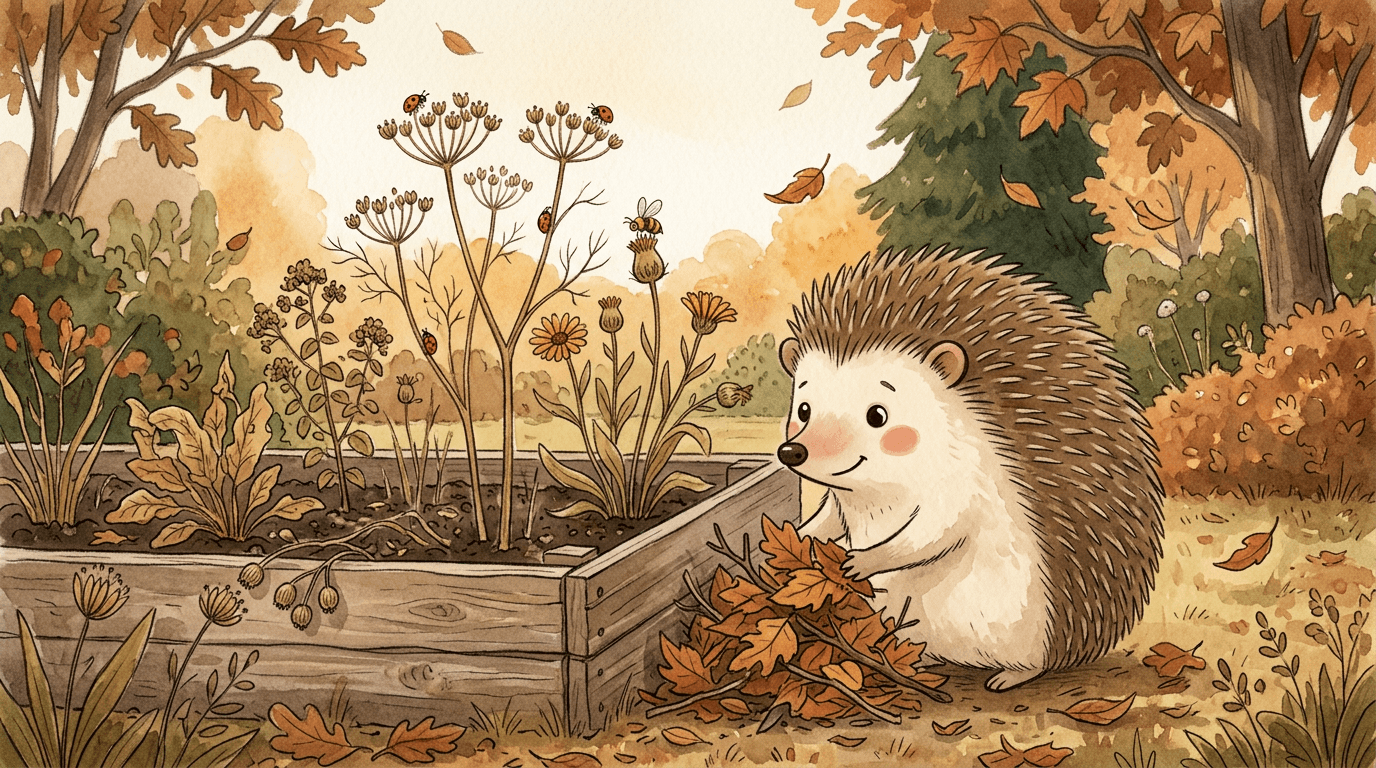
October 14, 2026 · 2 min read
Why I only tidy up half my raised bed in October
Mr Zimmermann cut his entire raised bed down to the ground in one afternoon — stalks, seed heads, leaves, all gone. I should have warned him beforehand: not everything, only half. Here's what should stay standing and what really needs to go.