May 12, 2026 · by Stachi · 2 min read
Watering a raised bed in summer — how often, when, with what
In high summer, water is the only limitation. Raised beds dry faster than ground beds. How to find the right rhythm and spot heat stress.
In July there's a moment where I have to water daily. For ground beds, watering deeply twice a week beats daily shallow watering. For raised beds, that's different.
Why raised beds dry faster
The soil in a raised bed is surrounded by air on 3-4 sides. Evaporation works through all walls, not just the surface. At 30 °C and full sun, you lose around 10-15 L of water per day from a 100×100×40 cm bed — sometimes more in heat waves.
In a ground bed, soil depth buffers it. Even with a dry surface, 30 cm down there's still moisture. In a raised bed, there's air underneath too.
How often to water
Spring (April-May): every 2-3 days. Soil still cool, moderate evaporation.
Early summer (June): daily evenings, or every other morning.
High summer (July-August): DAILY in the evening. On days above 30 °C an extra morning watering may help (especially for tomatoes, cucumbers, zucchini).
Late summer (September): back to every 2-3 days.
When to water — time of day
Evening is the standard. Soil + plant absorb overnight, cooler air = less evaporation.
Morning is the second-best option. Plant is hydrated when the heat arrives.
Midday is the worst time. Water drops on leaves act like little lenses → burn marks. ~50% of water evaporates before reaching the soil.
What to water with
Rainwater: best water for plants. If you have a barrel, use it first.
Tap water: works. Very hard water makes some plants (blueberry) suffer. Most varieties don't care.
Drip line / irrigation system: saves 30-40% water because less evaporates. Worth the investment from 3+ beds.
Spot heat stress
Before a plant truly dries out, it gives signals:
- Wilted leaves at noon, firm in the evening = normal, plant doesn't pump water at peak heat. Don't panic-water.
- Wilted leaves evening + morning = real water deficit. Water immediately.
- Brown leaf edges = chronic deficit over recent days. Increase rhythm.
- Tomatoes splitting = irregular watering (alternating dry and wet). Water more consistently.
Mulch — the game changer
3-5 cm of mulch (straw, grass cuttings, bark) on the soil:
- reduces evaporation by 50-70%
- keeps soil cooler
- prevents soil crusting
I mulch in June and it saves me 2-3 watering trips per week into high summer.
My summer plan
- Early June: spread mulch
- Install drip line (or watering can + daily ritual)
- Irrigation timer for holidays (1 day = 5 L per bed automatically)
- Heat waves: shade cloth (40%) for 3-4 days over lettuce and tomatoes
In our plant library you'll find each variety tagged "drought-tolerant" or "thirsty". Stachi groups similar water needs into sensible bed sections in the planner.
Water is the only raised-bed limitation in summer. Once you've solved it (mulch, drip, evening routine), everything else is easy.
I'm going to check on the tomatoes. They looked a bit limp at noon today — but that happens in heat. We'll see this evening.
🦔 Stachi
More articles
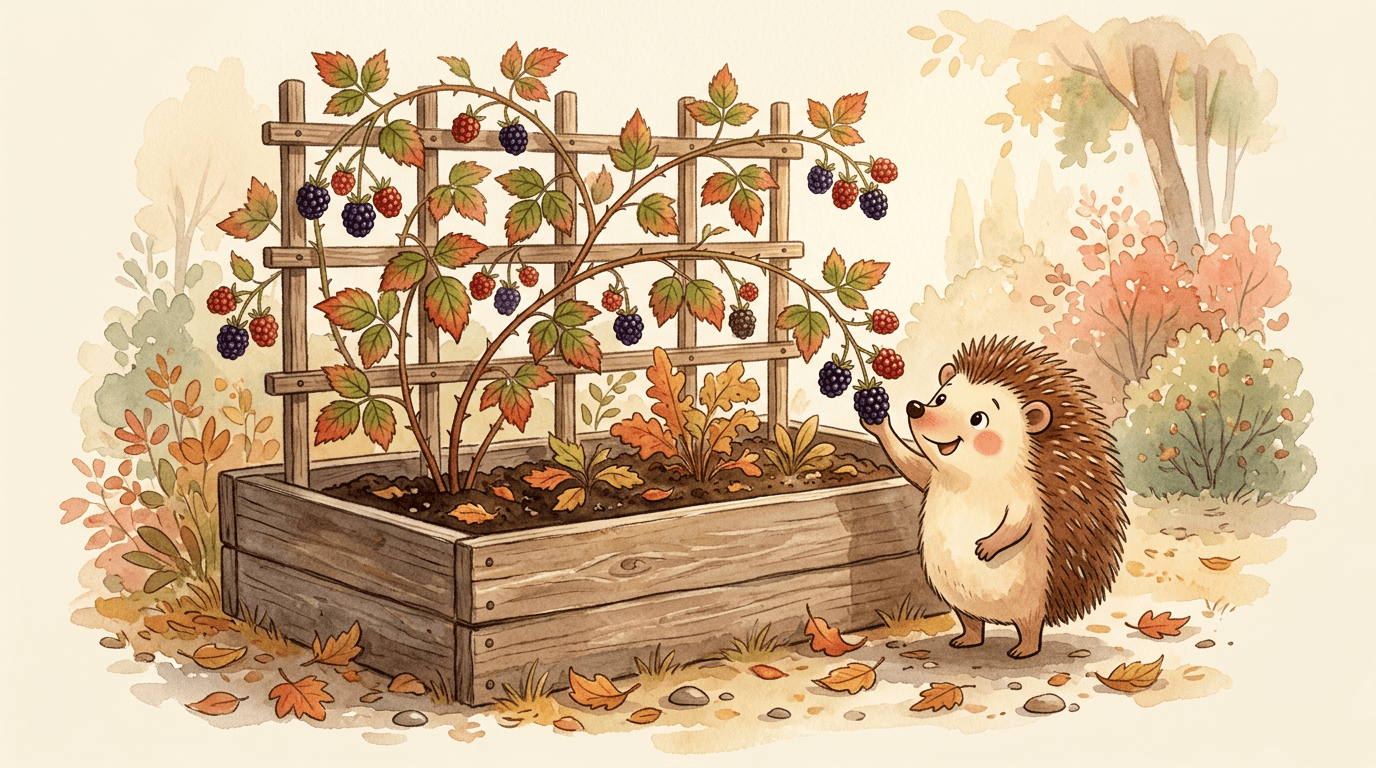
October 10, 2026 · 2 min read
Planting blackberries in a raised bed this autumn: why one plant can already be too many
Frau Schneider ordered three thornless blackberry plants for her kids – all three meant for one single raised bed. I had to tell her that even one of them will outgrow it eventually. Here's what actually matters for an autumn planting.
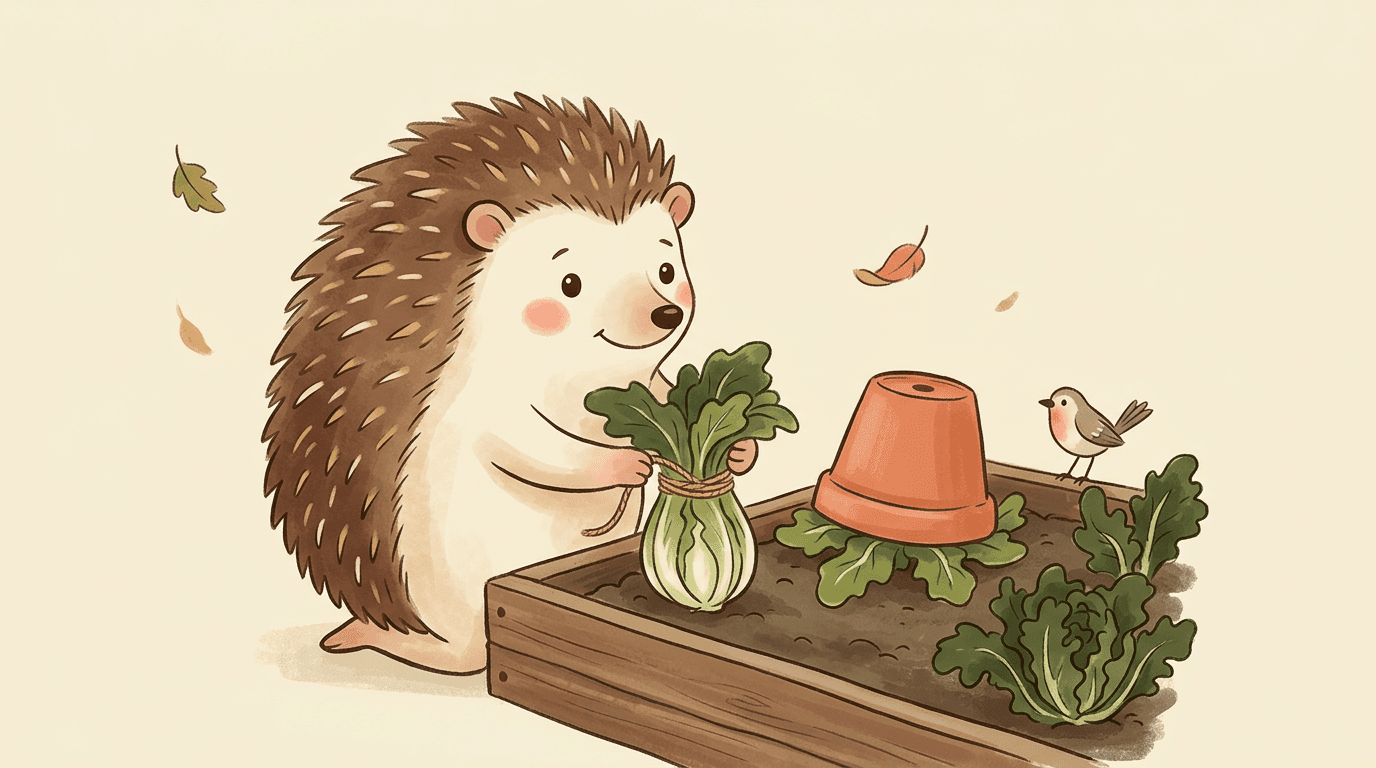
October 9, 2026 · 2 min read
Blanching endive: the trick against bitterness – and where rot is lurking
Frau Schneider tied up her endive on a rainy afternoon because she didn't have time to wait. A week later the heart was brown and slimy instead of pale and tender. Here's what actually matters when you blanch it.
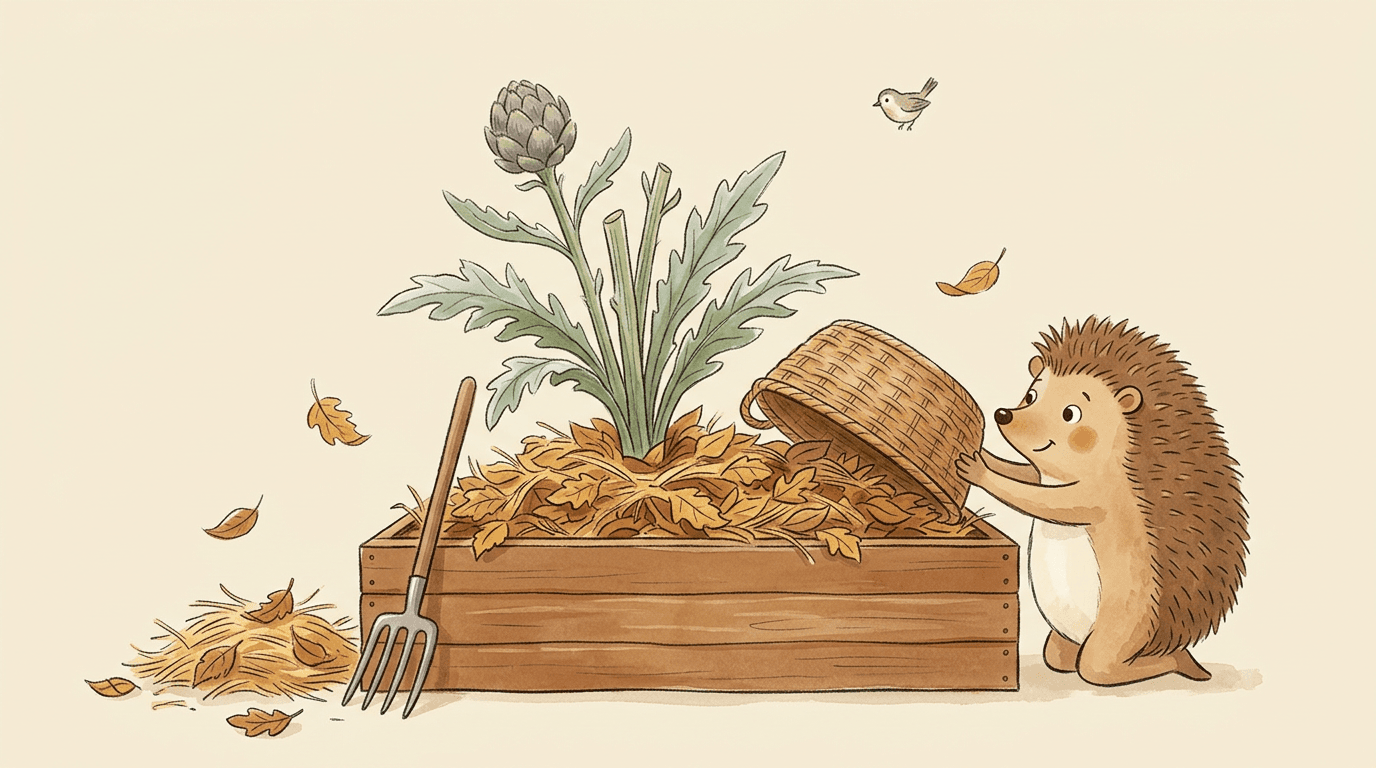
October 8, 2026 · 2 min read
Overwintering artichokes: why they freeze faster in a raised bed than in open ground
Frau Schneider's artichoke grew real buds for the first time this summer – now she's worried the plant won't survive the first hard frost in her raised bed. She's right to worry: raised-bed soil freezes differently from garden soil. Here's how to protect the rootstock properly.