July 24, 2026 · by Stachi · 2 min read
Harvesting kohlrabi at the right time: how to tell before it turns woody
My neighbour Frau Schneider brought me a kohlrabi the size of a coconut last week. It tasted like wood. Here's how to catch that moment before it's too late.
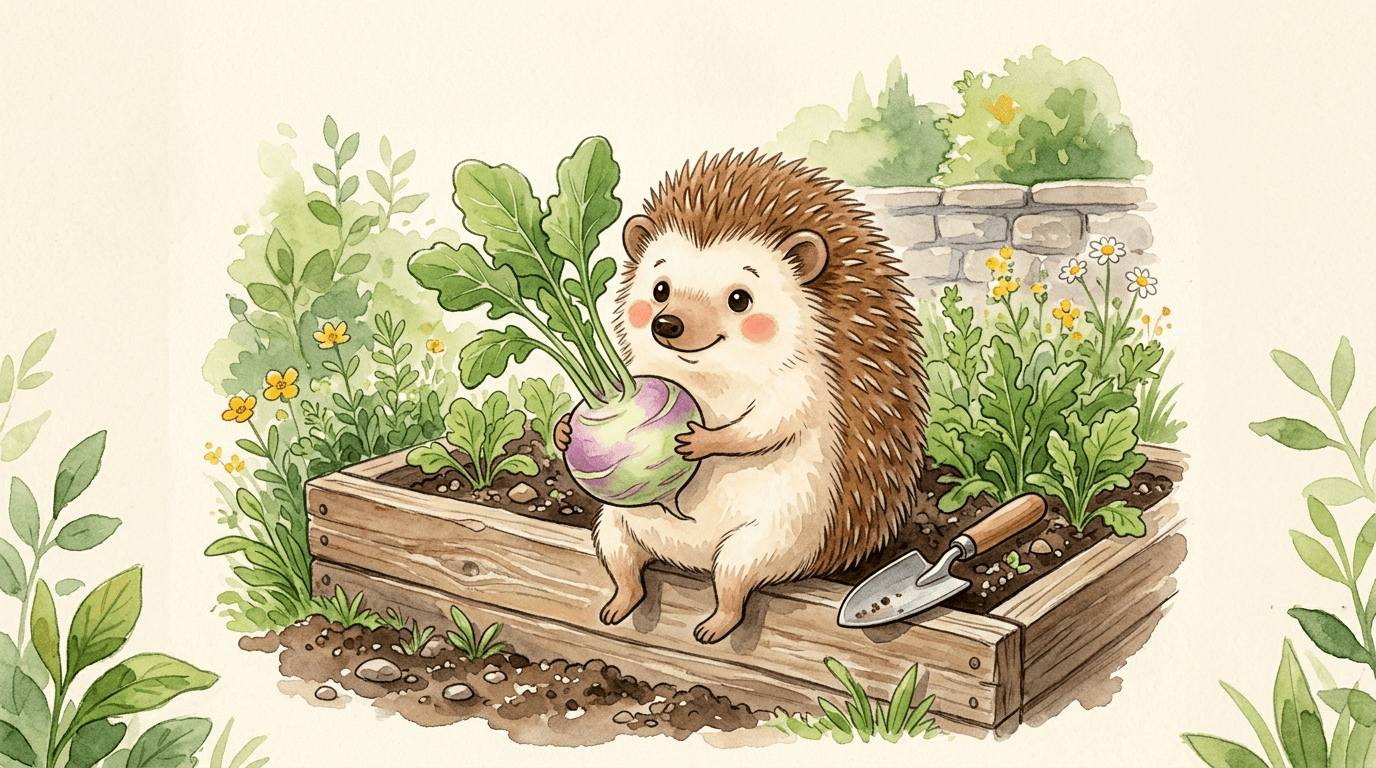
Last week, Frau Schneider was leaning over my garden fence holding up a kohlrabi that was almost the size of a coconut. "Stachi," she said, "this one tastes like wood." I knew immediately what had happened.
The kohlrabi had missed its moment. And that happens faster than you'd expect.
Here's what I've learned about the right harvest time, after many seasons in the raised beds here in Berikon, a small village just outside Zurich.
The size test: 6 to 8 centimetres
Most kohlrabi varieties are ready when the bulb is 6 to 8 centimetres in diameter, roughly the size of a tennis ball or slightly smaller. Some varieties like 'Superschmelz' can grow larger and still stay tender, but the general rule holds: harvest early rather than late.
Under 5 centimetres is perfectly fine too. The flavour is concentrated and the texture wonderfully crisp. You get less to eat, but it's delicious. I usually wait until the bulb fills my fist without my fingers being able to close around it.
What happens when you wait too long
At around 10 centimetres, kohlrabi starts to turn woody. The flesh becomes fibrous, the flavour sharper, sometimes bitter. Cooking helps a little, but it never quite recovers.
With Frau Schneider's specimen, the cross-section was already nearly white instead of pale green and creamy. A clear sign.
Hot weather speeds this process up considerably. In July it can happen within a single week. That's why I check my beds almost every day right now.
The thumbnail test
I don't rely on size alone. My thumbnail test is more reliable: press your thumbnail sideways into the skin of the bulb. If it sinks in slightly, the kohlrabi is at its peak. If the skin is hard as plastic and your nail bounces off, it's too late.
Another sign to watch: the skin should be slightly shiny, with no cracks. Cracks usually mean the kohlrabi has drawn in too much water and the cells have burst. Those bulbs tend to taste watery and bitter.
How to harvest
I cut the kohlrabi off at the base, right at the root. The leaves come with it, and the young, tender ones are actually edible, much like spinach. Don't throw them away.
Best time of day to harvest: early morning, while the plant is still cool. The flavour is noticeably fresher then.
What to plant after harvest
Late July is actually a good moment in the raised bed. Once the kohlrabi is out, there's a useful patch of space freed up. What still makes sense to plant now:
- Radishes: ready in 3 to 4 weeks. You can fit in two rounds before September.
- Lamb's lettuce: sow now for an autumn and winter harvest. Very low maintenance.
- Spinach: sowing from mid-August works well for an autumn crop.
- Broccoli (early variety): if you can still find seedlings, plant them out now for an October harvest.
The Erntezeit planner shows you exactly what still makes sense to grow in your region at this time of year. Enter your location and it tells you what's realistic given your local frost dates.
Frau Schneider signed up last week. Her August kohlrabi is already in the plan.
🦔 Stachi
Related plants


More articles
October 26, 2026 · 3 min read
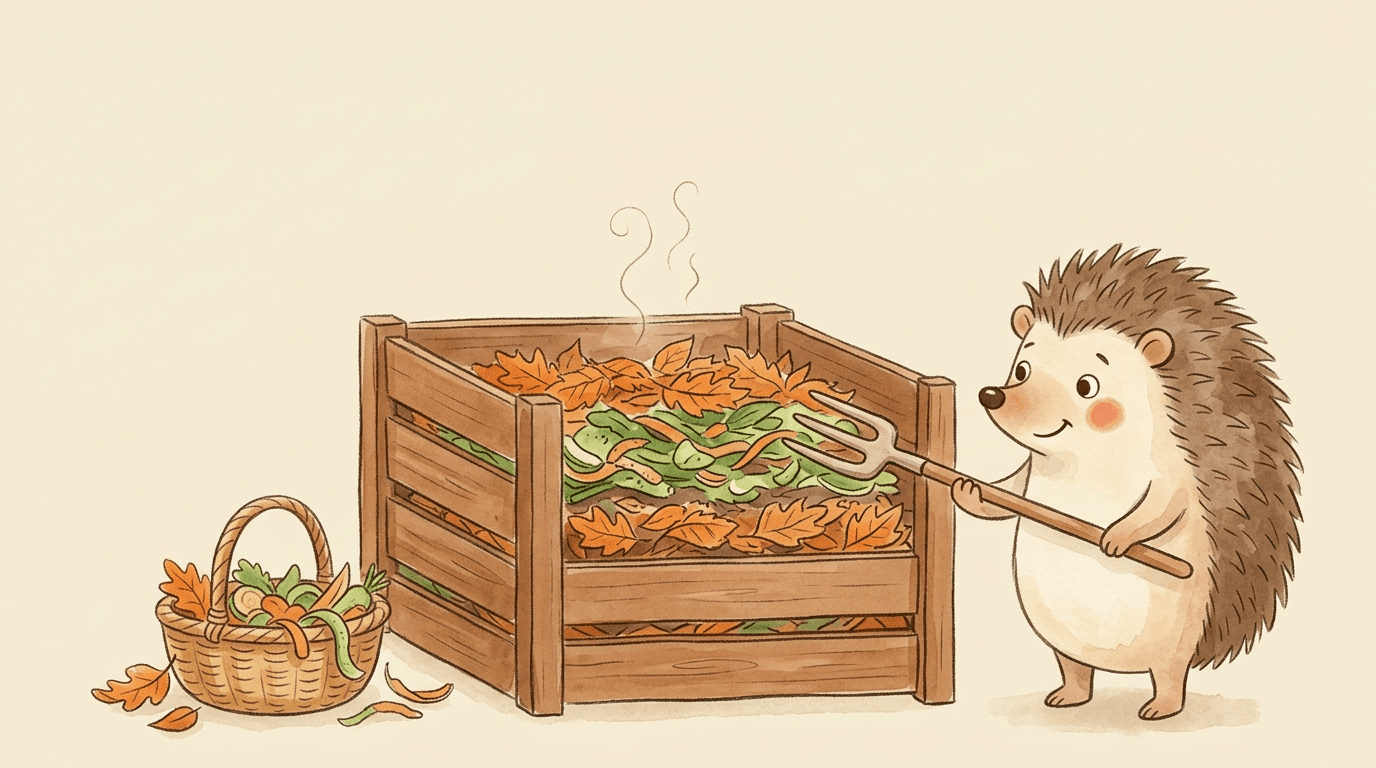
Starting an autumn compost pile: 3 parts leaves, 1 part kitchen scraps
Frau Schneider's compost pile just sat there all winter. No steam on cold mornings, no warmth, no breakdown — just a heap of dry leaves that hadn't changed a bit by March. The problem wasn't patience. It was the mix.
October 20, 2026 · 3 min read
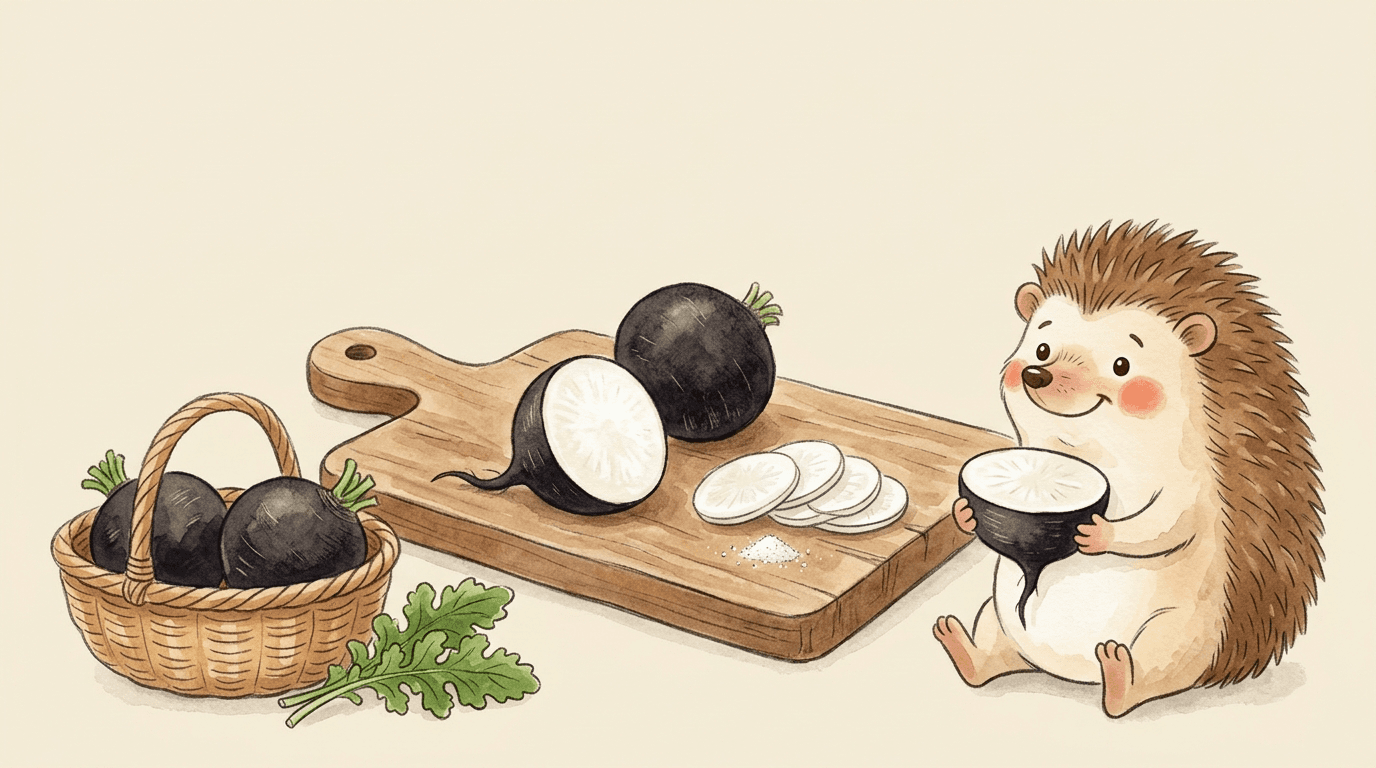
Black radish: why you should let it rest before you bite in
Last year Frau Schneider bit straight into one, unsalted, fresh out of the ground, and spent the next two minutes coughing instead of talking. The problem wasn't the radish. It was the timing.
October 14, 2026 · 2 min read
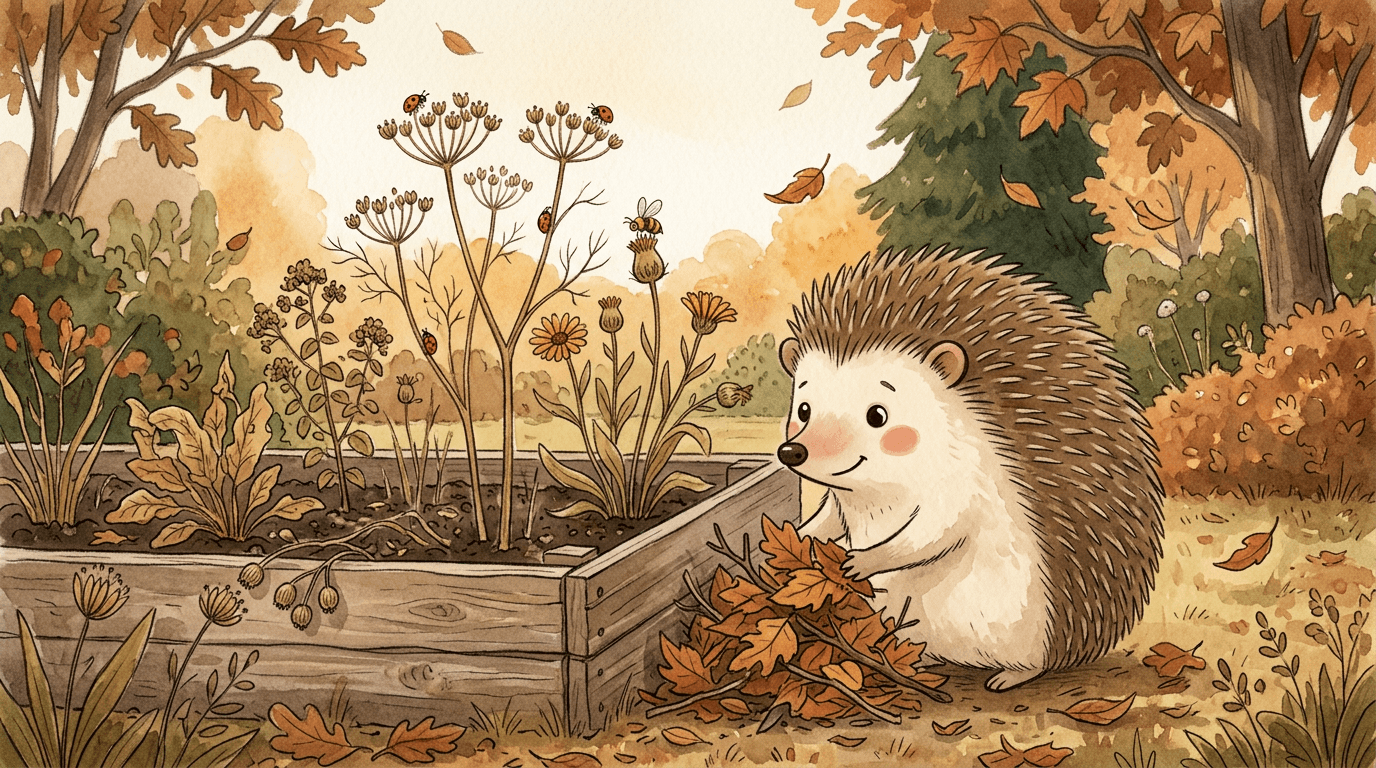
Why I only tidy up half my raised bed in October
Mr Zimmermann cut his entire raised bed down to the ground in one afternoon — stalks, seed heads, leaves, all gone. I should have warned him beforehand: not everything, only half. Here's what should stay standing and what really needs to go.