April 29, 2026 · by Stachi · 4 min read
Late blight — what it actually is, and why it always finds your tomatoes
In July the leaves still look fine. By August they're brown overnight. Here's what happened, why it happened, and how to avoid it next year.
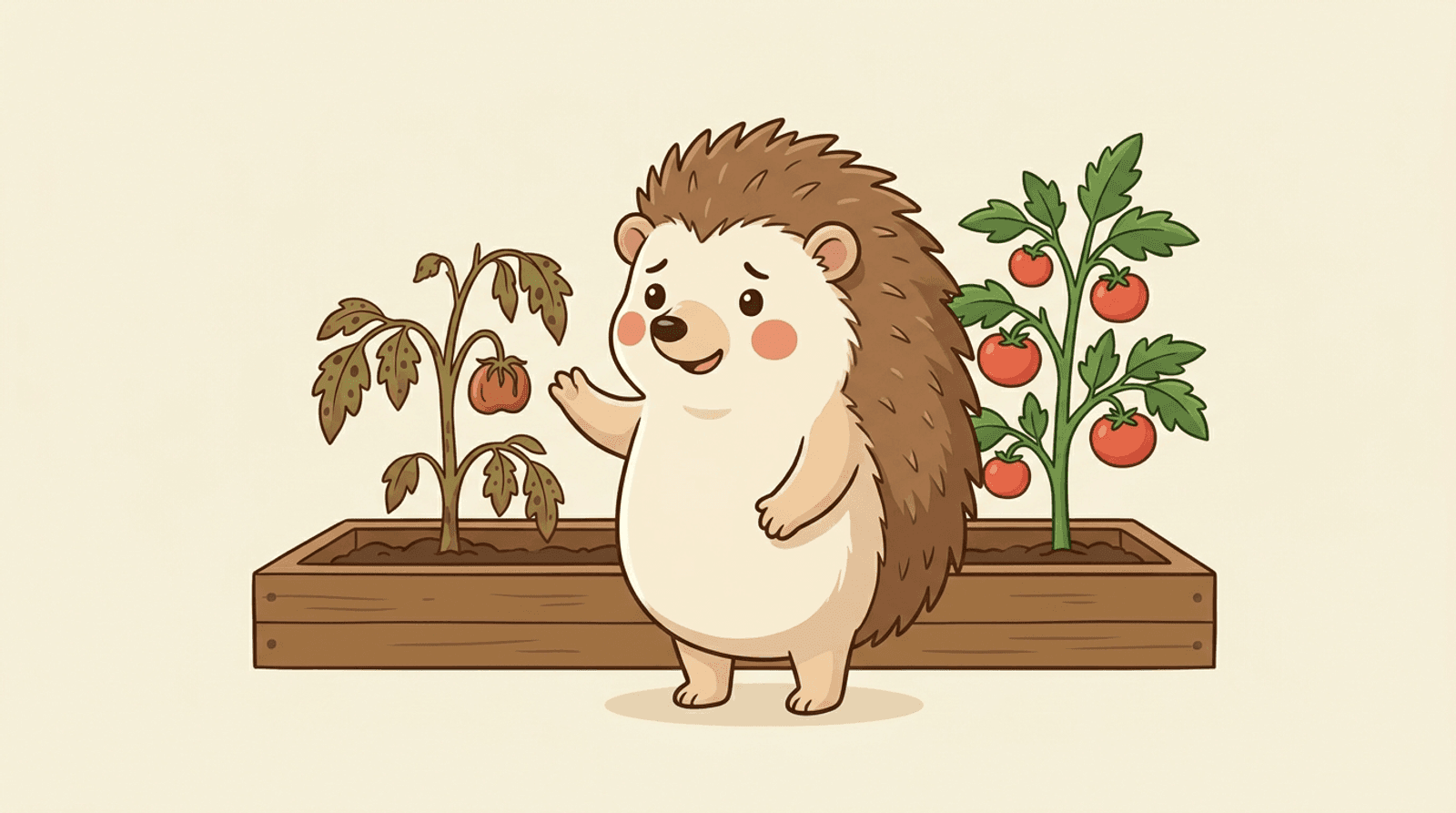
It was mid-August. Frau Schneider came over to me and said: "Stachi, my tomatoes turned brown overnight. What is this?"
I went over with her. On the bed stood six tomato plants, green and full just one week earlier. Now: brown-black spots on the leaves, a white fluffy coating underneath, and dark streaks on the stem migrating downwards.
"That's late blight," I said. "Phytophthora infestans. Tomatoes and potatoes and so on. Bad news."
She looked at me: "But why? Where does this come from?"
Here's the answer.
What late blight actually is
Late blight is caused by Phytophthora infestans. The name sounds like a fungus, but it isn't — it's an oomycete, a distinct life form genetically closer to algae than to fungi. But let's just call it late blight, that's clearer in everyday talk.
The pathogen:
- Lives in moist conditions (plant + soil + air humidity above 90% for 6+ hours = perfect)
- Spreads via spores that travel with rain, wind, or splash water
- Slips through every pore, every crack in the leaf surface
- Kills plant cells by consuming their contents
- Can advance 5-10 cm of plant per day — in moist weather you have 3-5 days between "first symptoms" and "plant dead"
Origin: probably Central America. Famous for triggering the Irish potato famine of 1845-1849, when late blight reached Europe and killed millions of Irish people (through hunger, not directly from the pathogen). So this isn't a garden toy — it's a serious plant disease with historical weight.
Why tomatoes + potatoes are jointly fatal
Both belong to the nightshade family (Solanaceae). Phytophthora infestans attacks tomatoes and potatoes equally — and the spores travel cheerfully from one to the other.
So if you plant tomatoes next to potatoes — same bed or two beds over — you double the risk. A sick potato plant can infect a healthy tomato, or vice versa.
Other nightshades that can also be affected: peppers, eggplant. But they're less susceptible and less often wiped out completely.
In bed planning: tomatoes and potatoes belong at least 5 metres apart, ideally not in the same garden. If you only have one bed: no potatoes, that's the simple answer.
Recognising the symptoms — the 5 phases
Late blight doesn't come overnight. It comes over 5-7 days in these phases:
Phase 1 (day 1-2): Olive-grey spots at the leaf edge. They look like watery patches that don't dry. No white coating yet. You'd miss it.
Phase 2 (day 3-4): Spots turn brown. Underneath the leaf, white fluffy coating — these are spore-bearers. Now it's clearly late blight.
Phase 3 (day 5): Whole leaves turn brown, look leathery, droop. The disease moves from leaf into the petiole.
Phase 4 (day 6-7): Black streaks on the stem, shoots wilt. If fruit is present: black, leathery patches on tomatoes that are mushy inside. Plant beyond saving.
Phase 5 (1-2 weeks later): Plant dead. Spores have moved into the soil and can persist there until next year.
What you can do
Prevention (the most important):
- Never water from above. Water at the stem only, not on the leaves. Late blight needs leaf wetness to germinate. Dry leaves, no late blight risk.
- Keep distance. 60-80 cm between tomato plants, air must circulate. Densely planted = microclimate of 90%+ humidity = spore Eldorado.
- Strip lower leaves. Cut all leaves below the first fruit. Splash water from the soil hits lower leaves first — that's the typical entry point.
- Rain protection. If you can, build a simple roof (PVC sheet on stakes) over the tomatoes. The single most effective measure. Halves the risk.
- Mulch underneath. 5 cm of straw or wood chips prevents spores from splashing up from the soil.
- Resistant varieties. "Resi", "Quedlinburger Frühe Liebe", "Phantasia F1" — all relatively resilient.
If you already have late blight (phase 1-2):
- Cut affected leaves immediately, into residual waste, NOT compost. Spores would survive in compost.
- Wipe lower stem with a dry cloth.
- Spray plant with diluted garlic infusion (cold-steeped garlic tea) — biological plant protection that holds moderate infections in check.
- Watch carefully for the next 3-4 days. If new spots appear: pull the plant.
If you already have late blight (phase 3+):
Pull the plant, into residual waste. Rest the soil for 2 weeks. Don't plant other nightshades in that spot.
Frau Schneider's tomatoes
We caught Frau Schneider's six tomato plants in phase 4. Four were beyond saving. Two we rescued with garlic tea by cutting off the lower infected sections — about 30% of the plant gone, but they still ripened 2-3 kg of tomatoes.
Lesson learned: next year we had a tomato roof (PVC on 4 stakes for €8), wider spacing, and watered in the morning instead of the evening. Late blight didn't show up.
What Erntezeit does for you
If you tick tomatoes + potatoes simultaneously in the wizard, a companion-planting warning appears — we won't let you plant both without warning you. That prevents the most common beginner trap.
Plus: your sowing and planting schedule is laid out so tomatoes hit their main growth phase in July (hot + dry, ideal), not in the rainy late summer.
Try the bed planner — we warn you about late blight before it finds your plants.
🦔 Stachi
Related plants


More articles
October 26, 2026 · 3 min read
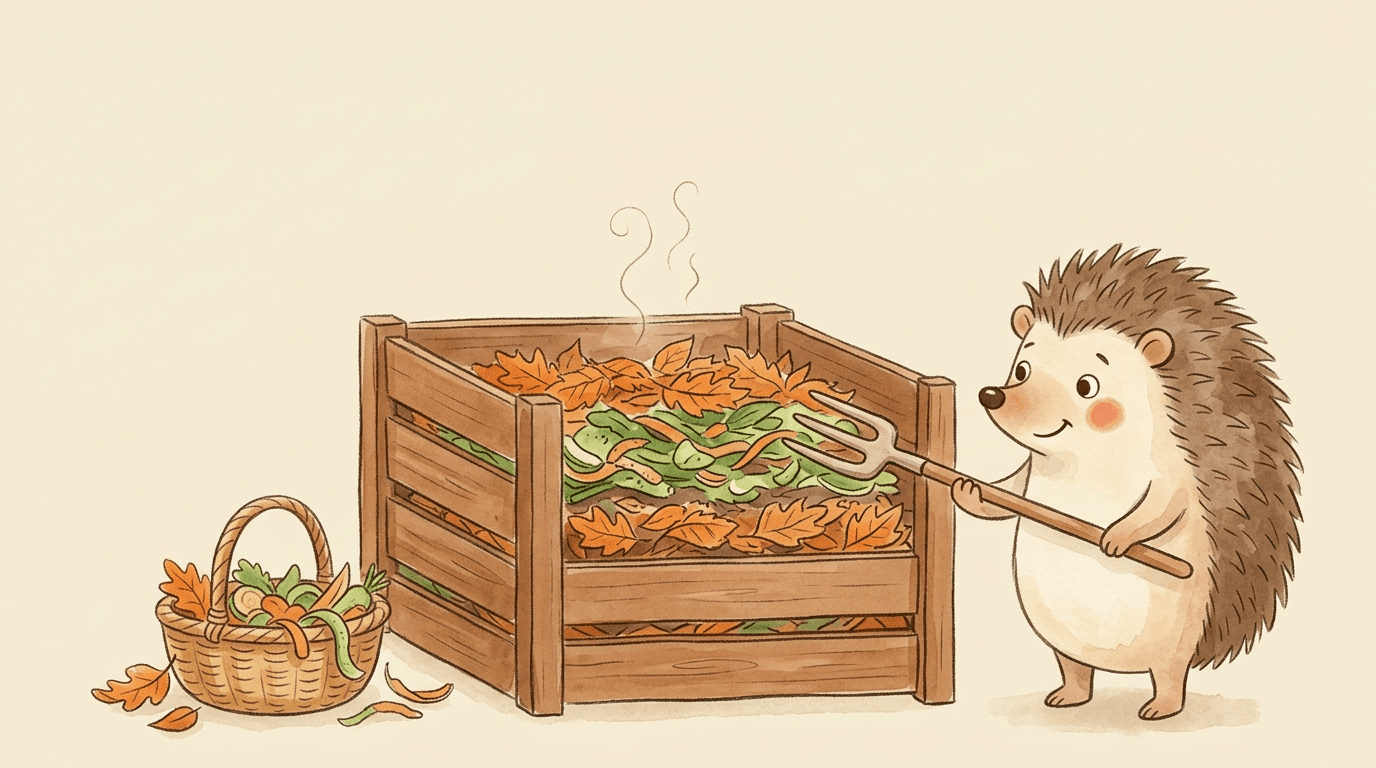
Starting an autumn compost pile: 3 parts leaves, 1 part kitchen scraps
Frau Schneider's compost pile just sat there all winter. No steam on cold mornings, no warmth, no breakdown — just a heap of dry leaves that hadn't changed a bit by March. The problem wasn't patience. It was the mix.
October 20, 2026 · 3 min read
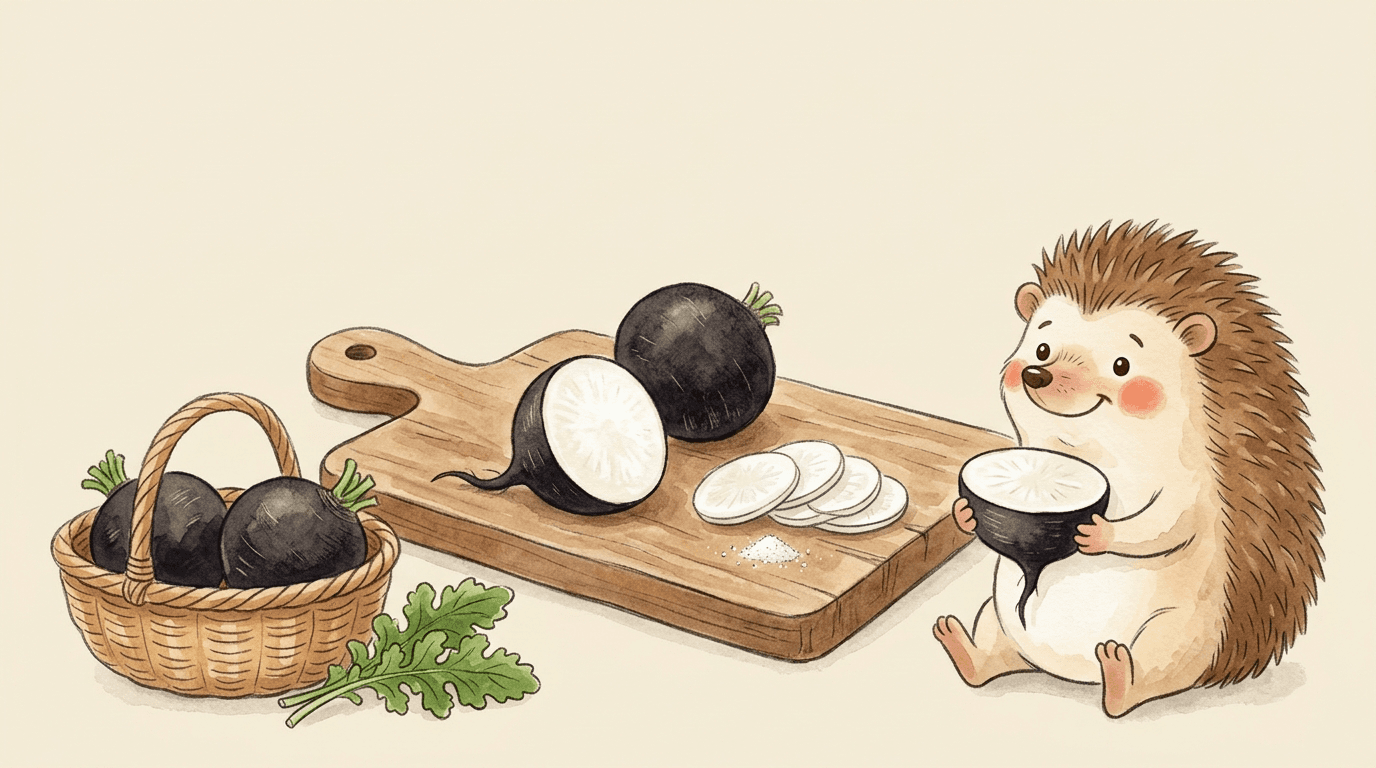
Black radish: why you should let it rest before you bite in
Last year Frau Schneider bit straight into one, unsalted, fresh out of the ground, and spent the next two minutes coughing instead of talking. The problem wasn't the radish. It was the timing.
October 14, 2026 · 2 min read
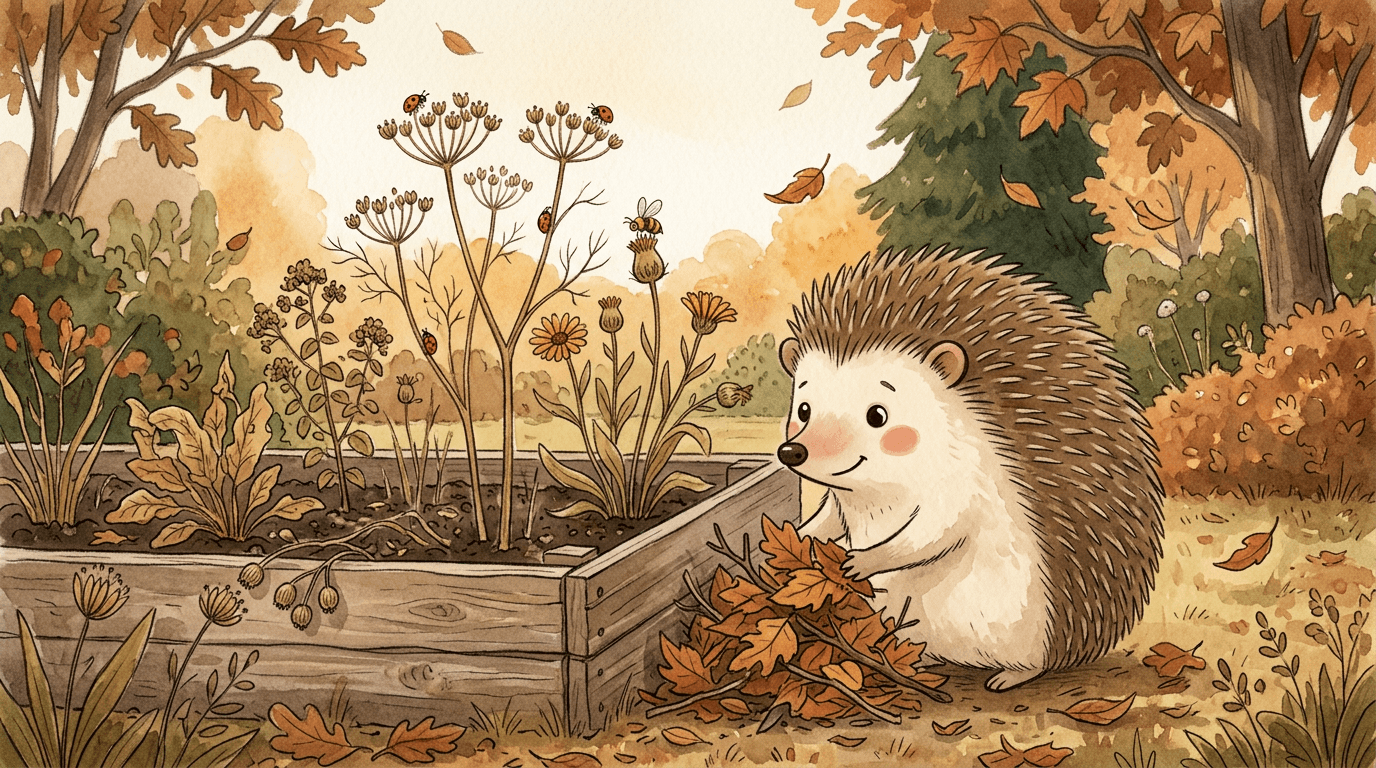
Why I only tidy up half my raised bed in October
Mr Zimmermann cut his entire raised bed down to the ground in one afternoon — stalks, seed heads, leaves, all gone. I should have warned him beforehand: not everything, only half. Here's what should stay standing and what really needs to go.