September 4, 2026 · by Stachi · 5 min read
Radishes in September: the last sowing before winter
September is the last month when radishes really work. Cool nights make them crispier and sharper than anything you grew in summer. Sow now, harvest in mid-October — just before everything stops.

I know when summer is really over. Not on the first of September, not when school starts, but when water after a rain no longer disappears overnight. When the soil feels cooler. When the morning dew lingers longer on the leaves.
That is the moment when radishes give their best.
Not in June, when everything is too hot and they turn woody within three days. Not even in July, when they're fast but often too sharp. Now, in September, just before the season ends. Sharper, crunchier, with a texture that feels almost like spring — even though it's autumn.
Miss this window, and you wait until April.
Why autumn radishes taste better
Radishes develop their flavour through glucosinolates — the compounds responsible for heat and freshness. In high temperatures, the plant produces these compounds quickly and intensely: the result is sharp, sometimes bitter radishes that go woody within days.
In cool temperatures — between eight and fifteen degrees Celsius, typical for September — development is slower. The glucosinolates build more evenly. The result is a heat with more depth, and radishes that can stay in the bed without spoiling immediately.
On top of that: cool nights after a warm day mean less transpiration. The radishes stay plumper, cell pressure stays higher. That is what creates crunch.
A radish from the September raised bed and one from the August raised bed — that is a measurable difference. You notice it on the first bite.
The window — smaller than it looks
In the Swiss Midlands, the sowing window for autumn radishes runs from early September to around mid-September.
After that, seeds still germinate, but:
- Soil temperature drops below ten degrees, making germination unreliable
- Days shorten so much that growth nearly stops
- The risk of the first frost catching young plants rises sharply
Radishes need about twenty-five to thirty days from sowing to harvest. A September sowing means harvesting early to mid-October. That works well. Sowing in October is a gamble for a November harvest — possible, but uncertain.
So: now is the time. Not next week.
Which variety to choose
Not every variety handles autumn conditions equally well. Classic early varieties bred for spring and early-summer speed don't always perform best in the cooler, shorter days of autumn.
For September sowing I recommend:
- Münchner Bier (Munich Beer) — round, white, mild and particularly fleshy. One of the best autumn radishes. Handles cooler temperatures well.
- Riesenbutter — large, pale yellow, very mild. Slightly slower than classic red varieties, but less prone to turning woody.
- Saxa — the classic red round radish. Fast, unfussy, works well in September.
- French Breakfast — cylindrical, pink and white, mild. Attractive, and still grows usefully even as light levels drop.
If you'd rather not hunt down specific varieties: a seed mix for autumn radishes, available from many organic garden suppliers, gives you a pre-selected set of suitable candidates.
How to sow in September
Radishes want loose, fine-crumbled soil. In September that's usually not a problem — after summer the raised bed is often already well-worked, and if you've just removed a crop, a quick once-over with a rake is all you need.
The process:
- Make sure the spot is actually clear — no trailing zucchini leaves, no fallen tomato stakes.
- Loosen the top layer with a rake. No deep digging required.
- Make rows about one centimetre deep, with thirteen to fifteen centimetres between rows.
- Place seeds five to seven centimetres apart. Sowing more densely doesn't save seed — you just thin more later.
- Cover with soil, press lightly, and water gently using a sprinkler head (no strong jet that washes seeds away).
Germination at September temperatures takes five to ten days — longer than in May, shorter than you might fear.
Thinning: as soon as the cotyledons are visible, thin to eight to ten centimetres apart. It feels wasteful but isn't. Overcrowded radishes put all their energy into leaves and produce no meaningful root.
Watering in autumn — less than you think
Autumn rain takes care of a good portion of the watering. But watch out for waterlogging — standing water damages radish seedlings. If your raised bed is well-drained (as it should be with a proper fill), this isn't a concern. If water pools after rain, expect rot.
In September, checking twice a week is usually enough, watering only when the top layer of soil is genuinely dry. In a warm September you'll water more. In a cool, overcast September, sometimes not at all.
Consistent moisture without extremes — that's the goal. Exactly what makes radishes crisp rather than woody.
Fleece protection against early frost
The first frost night in the Swiss Midlands typically arrives sometime between mid and late October. Young radish plants survive a light frost (minus two to three degrees) for a single night without damage.
But to be safe: if you sow in September and the radishes aren't ready by the time nights turn cold, it's worth laying a fleece (row cover) over them at night. That buys you two to three extra weeks.
Remove it during the day, put it back at night. This keeps air circulating and prevents the seedlings from getting drawn out in the warmth underneath.
What to do with a half-empty raised bed
Many people still have tomatoes, peppers, or zucchini in the bed in September — space is tight. Radishes don't need much. You can:
- Sow them in gaps between larger plants that will be coming out soon
- Place them along the edge of the raised bed where tomato plants cast little shadow
- Grow them in a separate small container or balcony box
A pot twenty centimetres across is enough for five to seven radish plants. Not a high-yield setup — but enough for a handful of fresh autumn radishes that make the difference between a sad October salad and a decent one.
Mrs Schneider's September plan
Mrs Schneider wrote to me last week. Her tomatoes are still in the bed, the zucchini is making its last fruits, but one corner of the raised bed is free.
«Stachi, can I still put something there? It seems like such a waste.»
I wrote back: radishes. Three rows. Saxa or Münchner Bier. You'll be eating them by mid-October.
She replied: «That's faster than I expected.»
Yes. Exactly. Twenty-five to thirty days. October has thirty days. You see the pattern.
Sow now, and you get one last productive moment from the bed before it heads into winter dormancy. Radishes aren't the most dramatic harvest of the year. But they are the last sensible chance to get something out of the bed this October.
🦔 Stachi
Products mentioned in this post
- Plantura organic tomato seed set (10 varieties)Open-pollinated, good germination — robust for raised beds.
- Organic tomato seed set, 14 varieties
- Organic heirloom tomato seed set (Demeter, 12 varieties)
- Organic vegetable seed set, 10 varietiesCucumber, tomato, beetroot, broccoli, carrot, chard & more.
Related plants


More articles
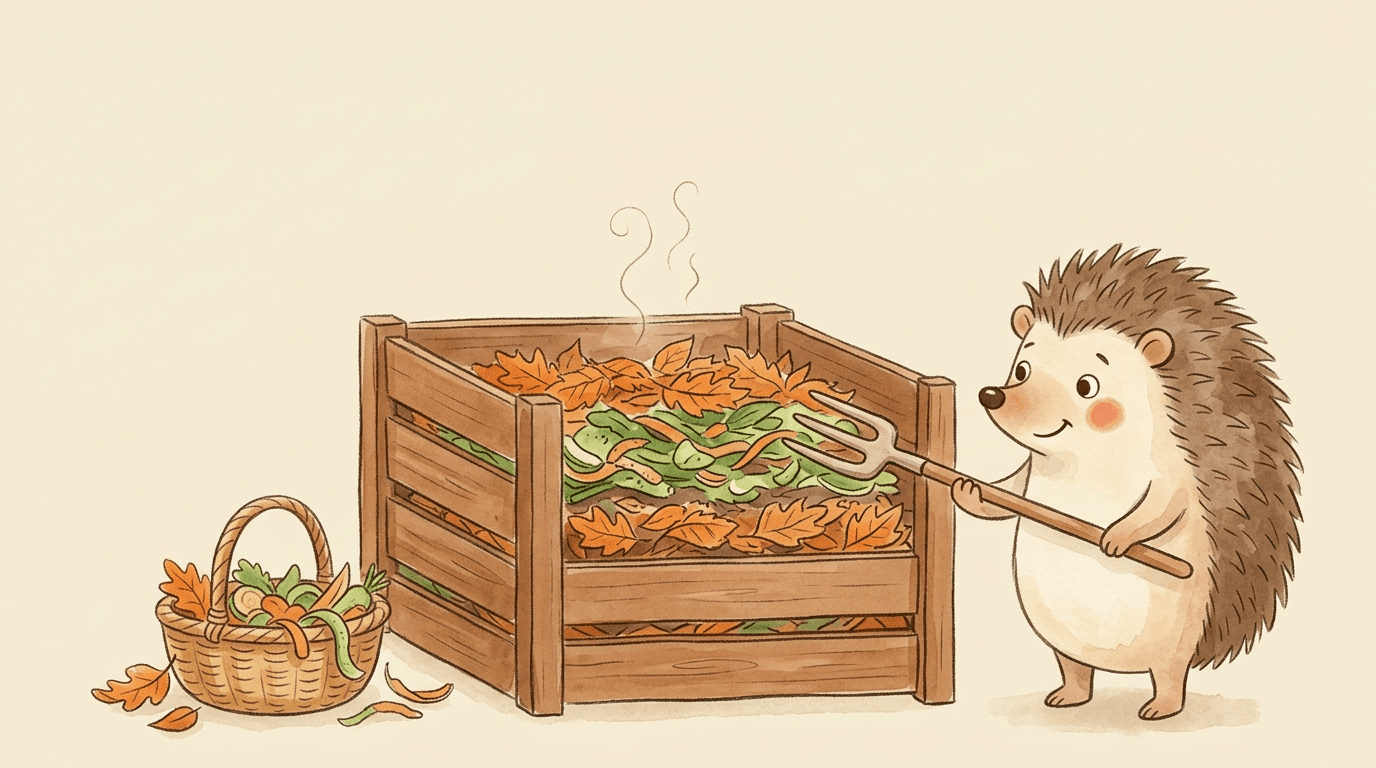
October 26, 2026 · 3 min read
Starting an autumn compost pile: 3 parts leaves, 1 part kitchen scraps
Frau Schneider's compost pile just sat there all winter. No steam on cold mornings, no warmth, no breakdown — just a heap of dry leaves that hadn't changed a bit by March. The problem wasn't patience. It was the mix.
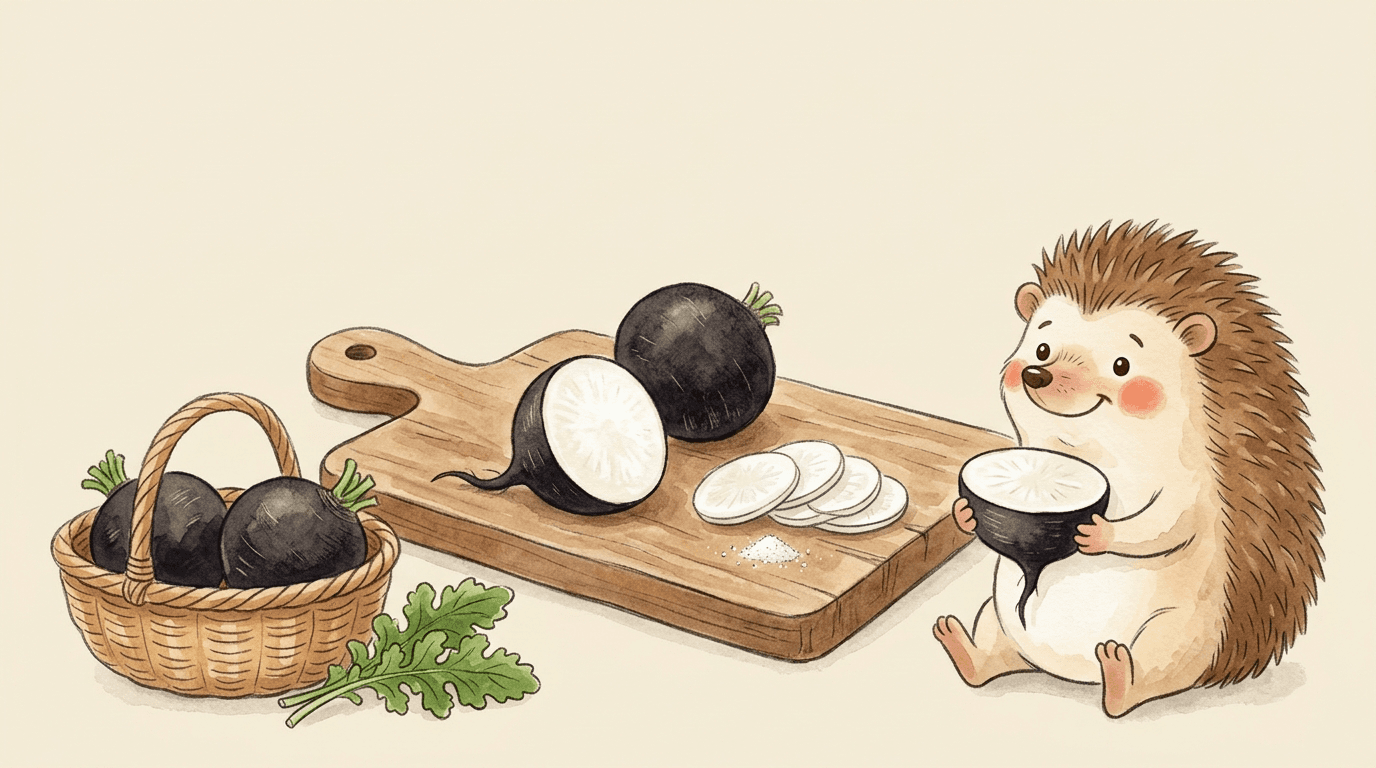
October 20, 2026 · 3 min read
Black radish: why you should let it rest before you bite in
Last year Frau Schneider bit straight into one, unsalted, fresh out of the ground, and spent the next two minutes coughing instead of talking. The problem wasn't the radish. It was the timing.
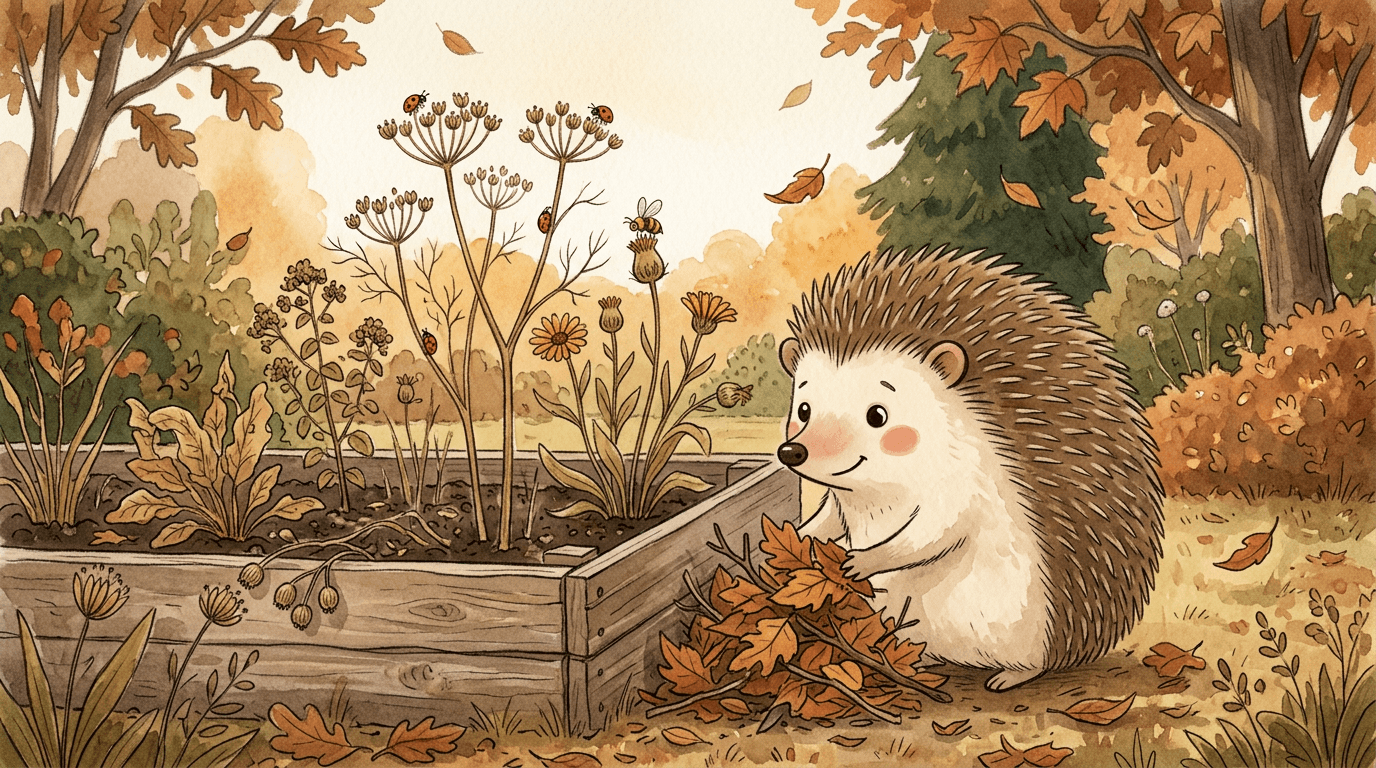
October 14, 2026 · 2 min read
Why I only tidy up half my raised bed in October
Mr Zimmermann cut his entire raised bed down to the ground in one afternoon — stalks, seed heads, leaves, all gone. I should have warned him beforehand: not everything, only half. Here's what should stay standing and what really needs to go.