July 31, 2026 · by Stachi · 3 min read
Beetroot in the raised bed: when it's actually ready — and why you shouldn't wait for it to get big
Mrs Schneider let her beetroot grow until the roots were the size of tennis balls. Now they're woody and difficult to cook. The thing most people get wrong: with beetroot, smaller is usually better — and the right moment is written right above the soil.

Mrs Schneider wrote to me last Monday. "Stachi, my beetroot is enormous. The roots are sticking way out of the soil. Should I harvest now?"
I asked how big they were.
"Like tennis balls. Some even bigger."
That's too late. Tennis-ball size is the point at which beetroot starts going woody from the inside — barely noticeable at first, then very obvious. The texture turns fibrous, cooking takes forever, and that tender earthy flavour disappears.
The good news: Mrs Schneider can still cook what she has perfectly well. But next year she'll know when to start.
The simplest rule: look, don't measure
Beetroot tells you when it's ready. You don't need to measure — you just need to look.
The root naturally pushes itself half out of the soil. That's completely normal, not a mistake. When the shoulder of the beetroot — the part you can see above the ground — is about five to seven centimetres across, that's the right moment. It feels smaller than you'd expect. Most people wait for "properly big," and that's exactly the mistake.
One easy test: give the root a gentle press. A ripe beetroot feels firm and taut. If it's still rock hard and won't budge, it can wait another week. If it gives slightly or sounds hollow when you tap it, harvest it straight away.
Getting it out without making a mess
Don't just yank it out. Beetroot can snap, and then you lose all the juice — and your hands will look like something from a crime scene.
What I do: loosen the soil around it with a narrow fork or dibber, then grip the root as low as possible near the base of the leaves, twist gently and pull upwards at the same time. It almost always comes out cleanly.
Then trim the leaves to half their length — don't cut them off completely. Leaving a short stump on the root helps it store better.
What about the leaves?
Beetroot leaves are edible. A lot of people don't know this.
Young, tender leaves go beautifully in a salad — they taste earthy and slightly nutty. Older leaves I cook like chard: a quick sauté in olive oil with a clove of garlic, a pinch of salt, a squeeze of lemon. Done.
The stalks of older leaves can get quite fibrous — I'd leave those. But the leaf itself is always good.
Storage — it keeps longer than you'd think
Beetroot stores very well. Whole, unwashed roots keep in the fridge for three to four weeks, sometimes longer. In a cool cellar — between one and five degrees Celsius, slightly humid — they can last up to three months if you pack them in slightly damp sand or wood shavings.
The key point: don't wash them before storing. Wash them just before you cook them.
And those red hands afterwards? A little lemon juice and salt, rub together, rinse off. It helps. Gloves help more.
It's not too late for a second sowing
End of July, early August: if you sow beetroot directly now, you'll get a second, smaller harvest in late September or October. The roots won't be as large, but they're often more tender.
The variety 'Forono' — a long, cylindrical type — works particularly well for a late sowing. It needs slightly less time than round varieties and holds well in the soil through autumn.
I sow about two centimetres deep and thin to ten centimetres apart once they're up. That's all it takes.
What Mrs Schneider did with her tennis balls
I told her: harvest all the big ones now. Cook them whole in a pot — with the skin on, which keeps the juice in much better. After cooking, peel them with your hands (with gloves on). Then slice.
Beetroot salad with horseradish and a little apple — that's Mrs Schneider's favourite. Or simply with olive oil, salt and a pinch of caraway. Both come together quickly and taste wonderful.
The smaller roots still in the bed, not quite tennis-ball size yet: give them another week. They'll be good.
Two days later she wrote back: "Made beetroot salad with horseradish tonight. Fed four people. It was delicious."
That makes me happy.
🦔 Stachi
Products mentioned in this post
- Plantura organic tomato seed set (10 varieties)Open-pollinated, good germination — robust for raised beds.
- Organic tomato seed set, 14 varieties
- Organic heirloom tomato seed set (Demeter, 12 varieties)
- Organic vegetable seed set, 10 varietiesCucumber, tomato, beetroot, broccoli, carrot, chard & more.
Related plants


More articles
October 26, 2026 · 3 min read
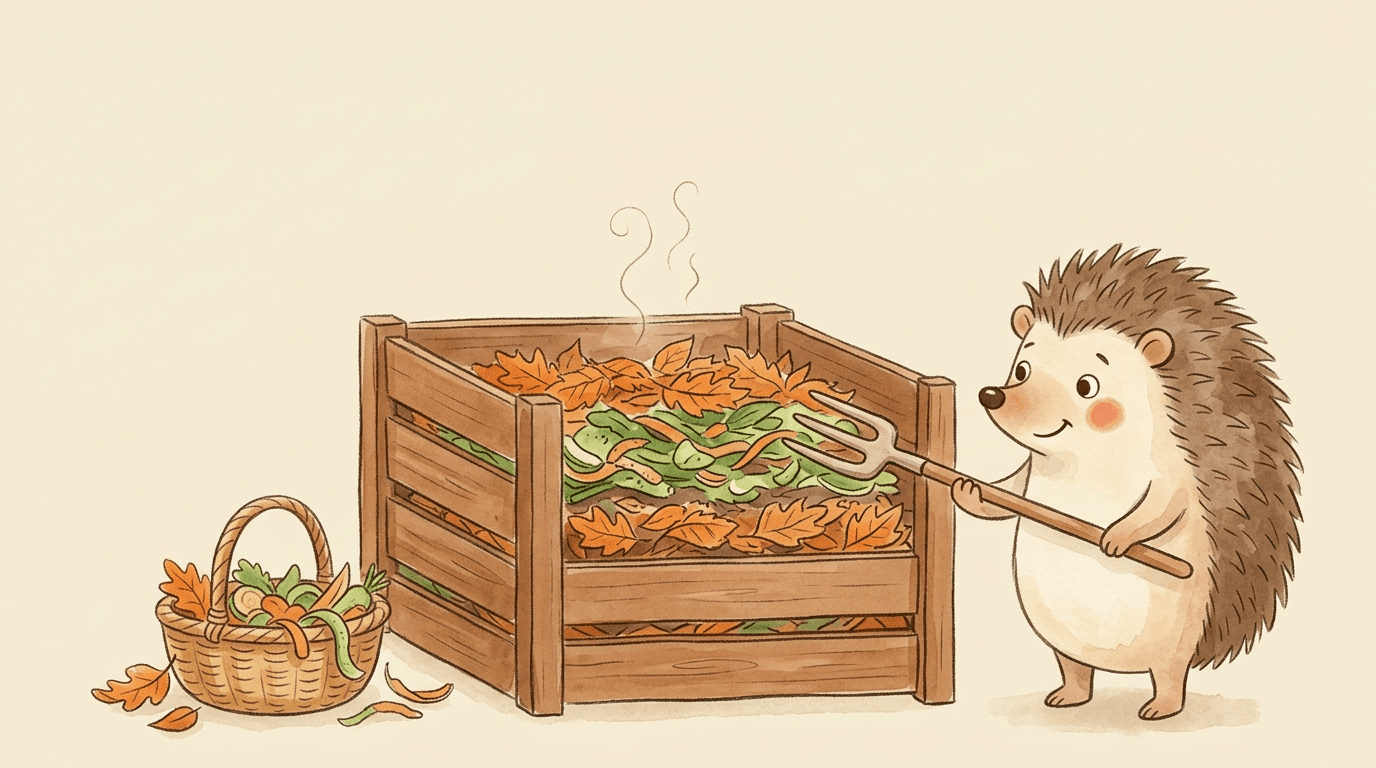
Starting an autumn compost pile: 3 parts leaves, 1 part kitchen scraps
Frau Schneider's compost pile just sat there all winter. No steam on cold mornings, no warmth, no breakdown — just a heap of dry leaves that hadn't changed a bit by March. The problem wasn't patience. It was the mix.
October 20, 2026 · 3 min read
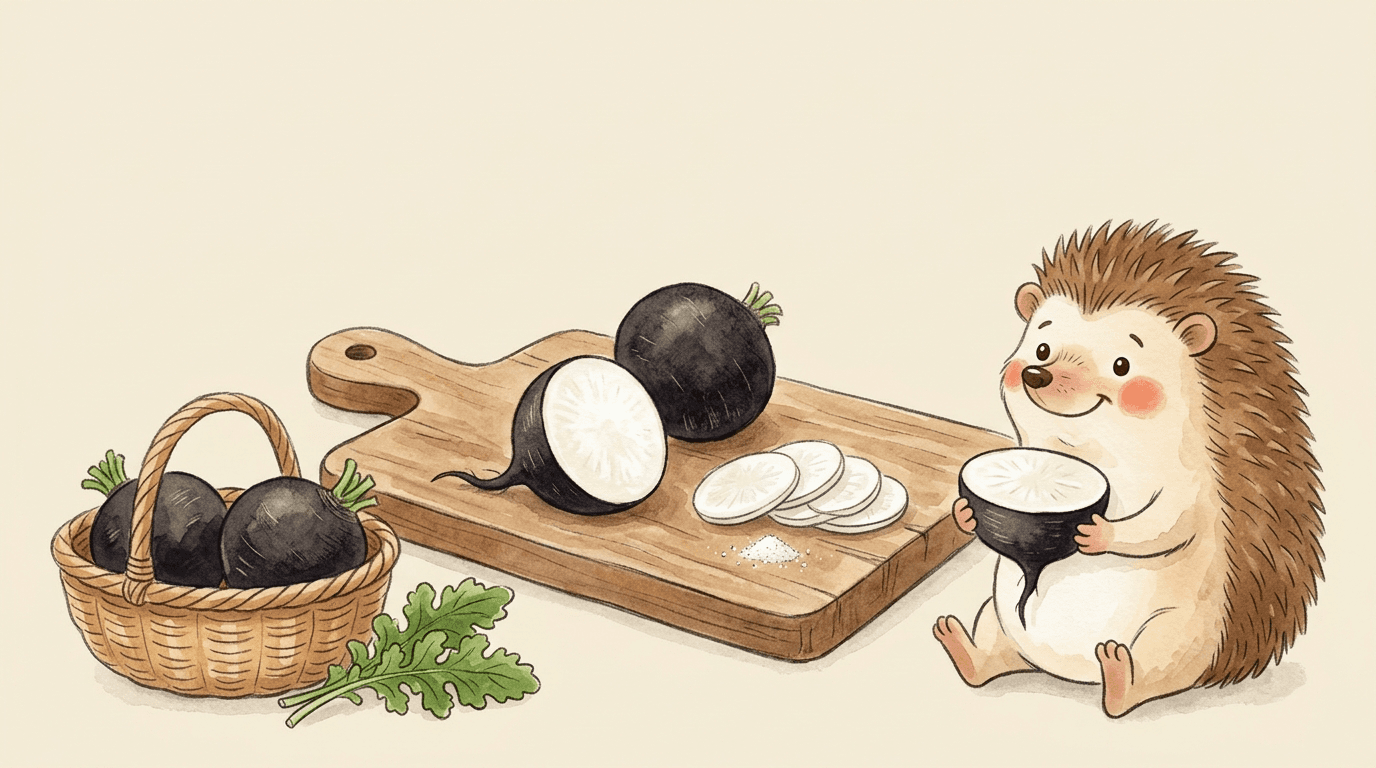
Black radish: why you should let it rest before you bite in
Last year Frau Schneider bit straight into one, unsalted, fresh out of the ground, and spent the next two minutes coughing instead of talking. The problem wasn't the radish. It was the timing.
October 14, 2026 · 2 min read
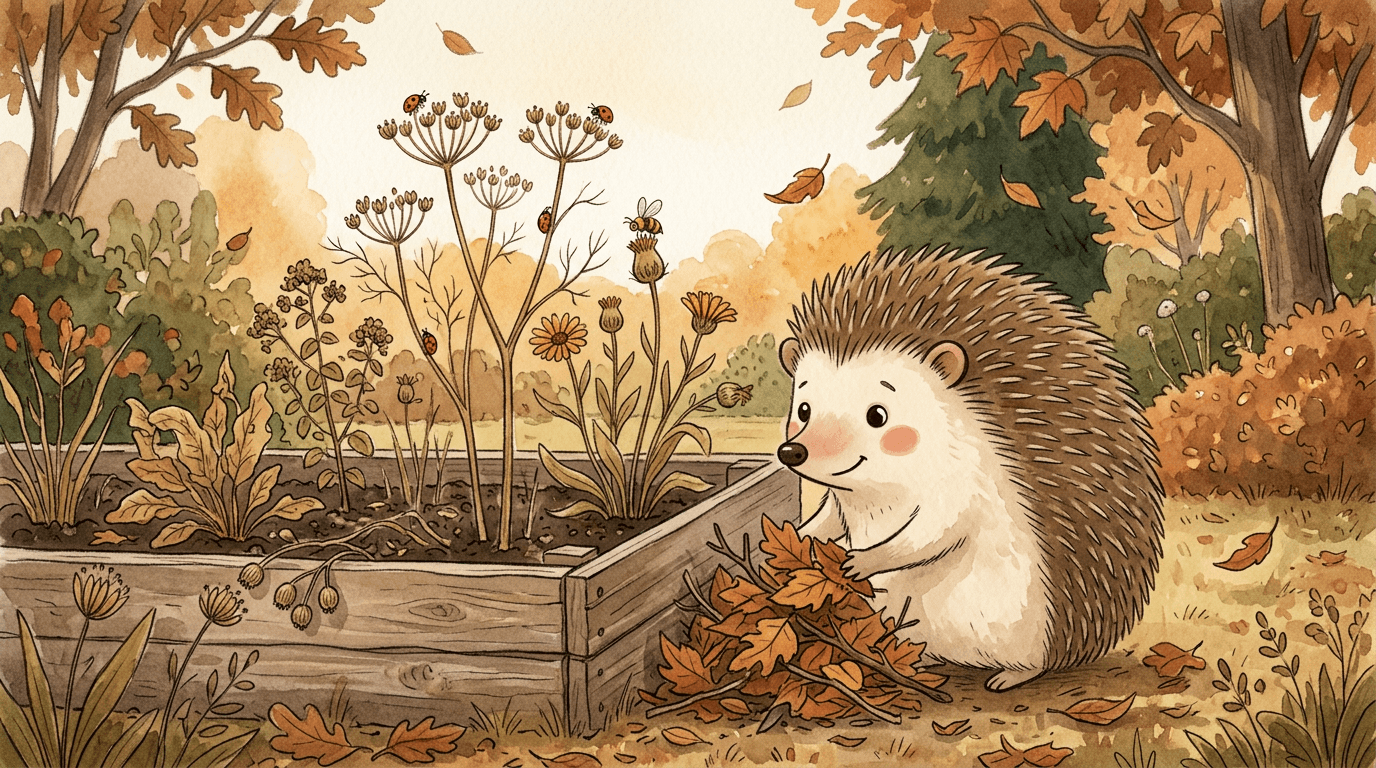
Why I only tidy up half my raised bed in October
Mr Zimmermann cut his entire raised bed down to the ground in one afternoon — stalks, seed heads, leaves, all gone. I should have warned him beforehand: not everything, only half. Here's what should stay standing and what really needs to go.