March 22, 2026 · by Stachi · 2 min read
Lettuce in the raised bed — harvest almost all year
Lettuce is the king of easy harvests: 4-6 weeks from seed to bowl, succession sowing keeps you supplied year-round. Which varieties when, and how to fight bolting.
Lettuce has an undeserved reputation as boring. Maybe because supermarket iceberg doesn't taste of much. In a raised bed there's a range that scrubs the word "boring" out of your vocabulary — and the best part: they all grow fast.
Three kinds of lettuce, three strategies
Cut-and-come-again lettuce (Lollo Rossa, Oak Leaf, Salanova) — you pick leaves, the plant regrows. A single April sowing busies you until July.
Heading lettuce (Butterhead, Romaine) — grows into a head you harvest whole. Then replace. Sow successively every 2-3 weeks to keep supply.
Cutting greens (arugula, lamb's lettuce, mizuna) — sow dense, cut just above the soil, they regrow. Good for 2-3 rounds.
Yearly rhythm
February/March: First sowing under fleece or cold frame (heading lettuce). In a mild raised bed, from mid-March without cover.
April-June: Main season. Re-sow cut-and-come-again every 2 weeks, cutting greens every 4 weeks.
July-August: Find SHADE. Lettuce is a cool-season crop; in high summer it bolts and turns bitter. Plant under bean trellises or beside tall tomatoes — those provide part-shade.
September-November: Second main season. Cut-and-come-again again
December-February: Lamb's lettuce under fleece = winter veg (see winter vegetables article).
Stop bolting
Lettuce bolts (flowers) in heat and long days. Then it turns bitter and inedible. Prevention:
- Variety choice: bolt-resistant summer cultivars ("Lollo Bionda", "Maravilla")
- Shade partners: tall plants alongside (tomato, bean)
- Mulch: keeps soil temperature down
- Water: consistent moisture
- Early sowing: sow before May, harvest in May/June — don't try to grow heading lettuce in July
Companion planting
Lettuce is a perfect companion-bed citizen: low, fast, uses little space. Classic good partners:
- Carrot + lettuce — lettuce harvested before carrots need their full size
- Radish + lettuce — same principle
- Lettuce under tomato — tomatoes provide shade
Full companion table: companion overview.
What doesn't work
- Lettuce in full south in July: bitter and bolted in 2 weeks
- Heading lettuce successively sown: pointless — heads need 4 weeks and come up nearly simultaneously. Use cut-and-come-again for staggered harvest instead.
- Lettuce in a high-summer raised bed: soil temperature >25 °C kills seedlings. Don't sow again until August.
My mini-plan: year-round lettuce
On 50×100 cm of bed space, with minimum effort:
- Mid-March: 1 row heading lettuce, 1 row cut-and-come-again (side by side), 1 row arugula
- Mid-April: second row cut-and-come-again, re-sow arugula
- Early May: third cut-and-come-again
- June-July: pause, let shade plants grow
- Mid-August: cut-and-come-again + lamb's lettuce
- October: more lamb's lettuce for winter
You'll harvest lettuce April through November. December-February: only lamb's lettuce (hardy).
In our plant library you'll find each variety with sowing dates. Stachi puts the right succession into your annual plan.
Lettuce is the bed workhorse. Fast, low-demand, always something to harvest. If you had room for only one and were a beginner: pick cut-and-come-again. You won't regret it.
I'm off to visit my arugula patch. It's standing exactly right just before the first cutting round.
🦔 Stachi
More articles
October 10, 2026 · 2 min read
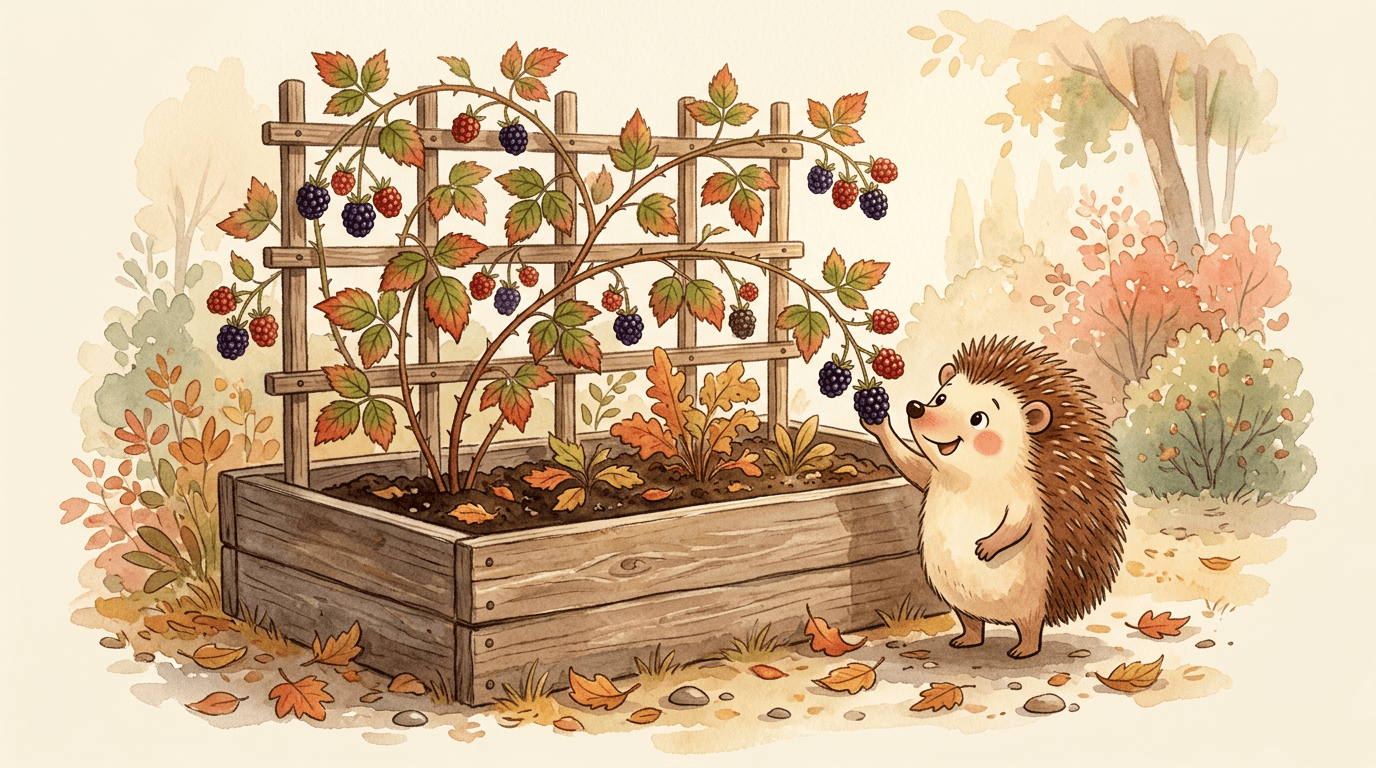
Planting blackberries in a raised bed this autumn: why one plant can already be too many
Frau Schneider ordered three thornless blackberry plants for her kids – all three meant for one single raised bed. I had to tell her that even one of them will outgrow it eventually. Here's what actually matters for an autumn planting.
October 9, 2026 · 2 min read
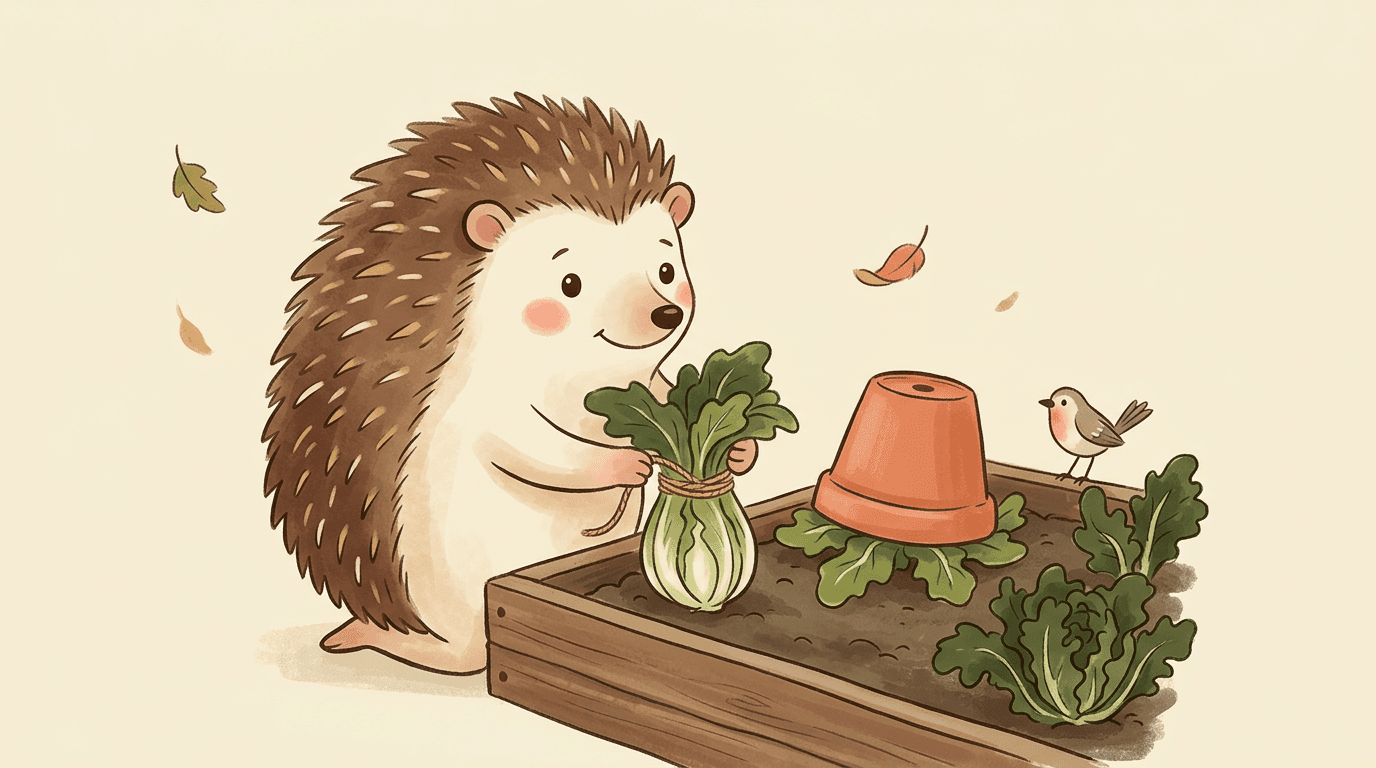
Blanching endive: the trick against bitterness – and where rot is lurking
Frau Schneider tied up her endive on a rainy afternoon because she didn't have time to wait. A week later the heart was brown and slimy instead of pale and tender. Here's what actually matters when you blanch it.
October 8, 2026 · 2 min read
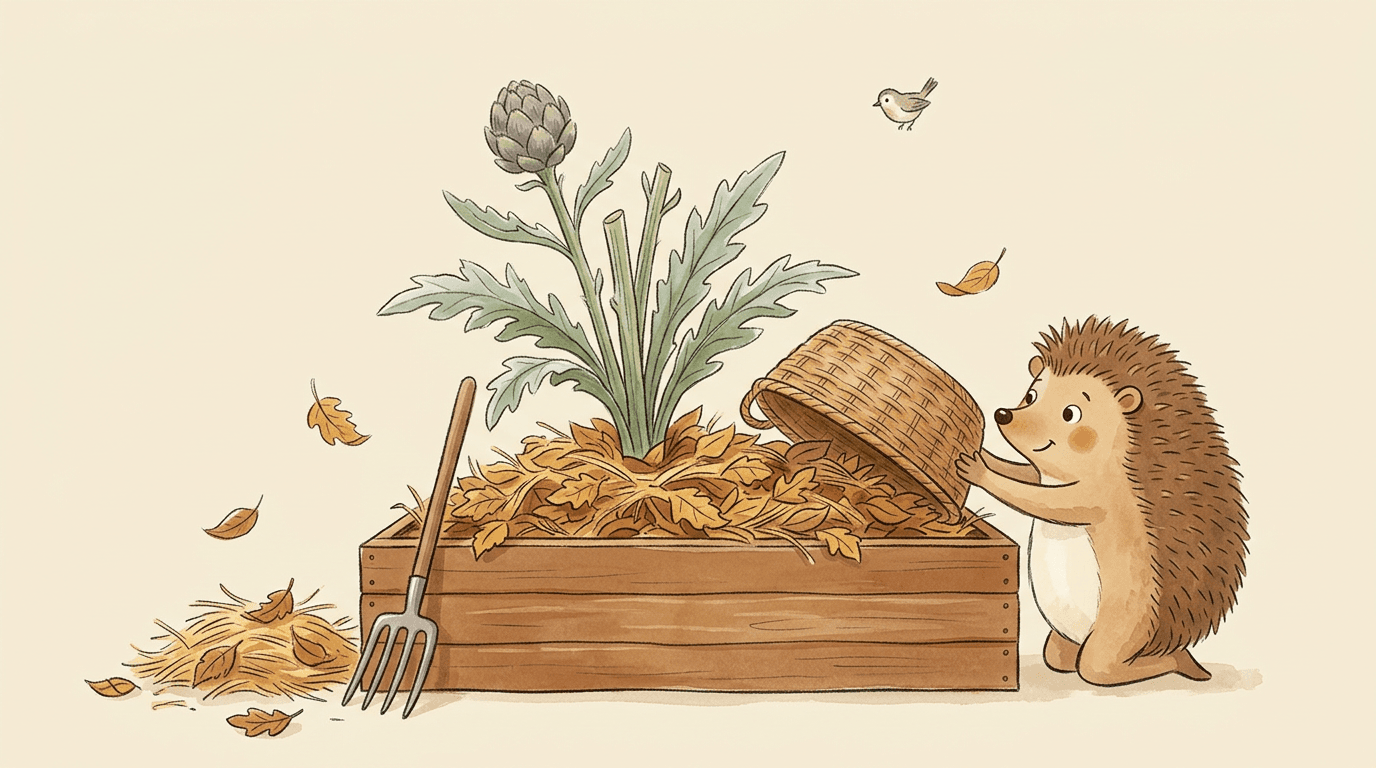
Overwintering artichokes: why they freeze faster in a raised bed than in open ground
Frau Schneider's artichoke grew real buds for the first time this summer – now she's worried the plant won't survive the first hard frost in her raised bed. She's right to worry: raised-bed soil freezes differently from garden soil. Here's how to protect the rootstock properly.