August 24, 2026 · by Stachi · 3 min read
Sow spinach in August — harvesting through autumn and winter
Sow spinach at the end of August and you'll be picking fresh leaves from October into January. Most people wait too long and miss the window. Germination takes four days — if you sow now, you still make it.

Mrs Schneider messaged me in October: "My raised bed is completely empty. Nothing in it. I thought the season was over."
That was late October — exactly when spinach could have been standing in her bed, ready to harvest, if she'd sown it back in August. She'd mentally closed the season before it was actually over.
It happens more often than you'd think.
Why August is the right window
Spinach bolts in summer for two reasons together: too much daylight and too much heat. Anyone who's sown spinach in April and hit a warm May knows the pattern — two weeks in, the centre shoots up, the leaves shrink, and the whole thing turns bitter.
By late August, that changes. Days drop below 14 hours. Here in Zürich on the 24th of August we're already at 13.5 hours of daylight. Nights cool down. Spinach relaxes and puts its energy into leaves rather than rushing to seed.
The sowing window on the Swiss Plateau: roughly mid-August to early September. If you're above 600 metres, pull the deadline back by a week or two.
How to sow
Direct sow, one centimetre deep. Spinach seeds are large enough to place individually — one every five to seven centimetres. Thin to ten centimetres once the seedlings are up. The thinnings are good to eat.
Alternatively, sow densely at three centimetres apart and thin after two weeks. I sow this way because spinach germination rates aren't always perfect, and I'd rather start a little thick.
Row spacing: 20 to 25 centimetres. Spinach stays low, so it doesn't need much lateral breathing room.
Four to five days to germination at 15–20°C soil temperature. In late August that's nearly guaranteed.
What it needs
Steady moisture while germination is underway. After that, spinach is easy — once a day until temperatures fall, then every two to three days from October on.
For an autumn crop it needs almost no fertiliser. A compost-filled raised bed is enough. If you're sowing on a spot that spent the whole summer growing tomatoes or courgettes, a small handful of fresh compost at sowing time won't hurt.
Slugs: a problem, but less severe than with pak choi. Spinach has thicker leaves. Still, lay slug pellets when you sow and repeat after the first autumn rain.
Frost? No problem
This is the best part of autumn spinach: it handles frost down to minus ten degrees Celsius without any protection. That's not a typo. Minus ten.
In a prolonged hard frost below minus five, a light fleece helps — but as a harvest extender, not a survival measure. The plant survives without it; you just need to wait until it's thawed before picking.
In Zürich (at around 400 metres) autumn spinach runs without protection until mid-December. One layer of fleece and I'm picking into early January.
When and how to harvest
At around six weeks after sowing, check whether leaves are ready — at least eight to ten centimetres, deep green, stems still tender.
I always pick the outer leaves first and leave the central rosette. The plant keeps growing and gives a second and third harvest. This works right up until hard frost sets in.
Alternatively, cut the whole plant three to five centimetres above the ground. Many varieties resprout — I've gotten a second wave that way in November.
What Mrs Schneider is doing now
She's sowing this week. Two rows direct, in the middle of the raised bed where the courgettes came out. One row of lamb's lettuce alongside it — even hardier than spinach, and it fills the bed deep into winter.
Her last message: "I genuinely thought late August was too late. Didn't realise the bed could run for four more months."
Four months. With two rows sown and one piece of fleece.
If you have your yearly plan in Erntezeit, you can see exactly which space opens up after your summer crops and which autumn varieties fit — spinach comes up as a suggested follow-on crop automatically.
🦔 Stachi
Products mentioned in this post
- Plantura organic tomato seed set (10 varieties)Open-pollinated, good germination — robust for raised beds.
- Organic tomato seed set, 14 varieties
- Organic heirloom tomato seed set (Demeter, 12 varieties)
- Organic vegetable seed set, 10 varietiesCucumber, tomato, beetroot, broccoli, carrot, chard & more.
Related plants


More articles
October 26, 2026 · 3 min read
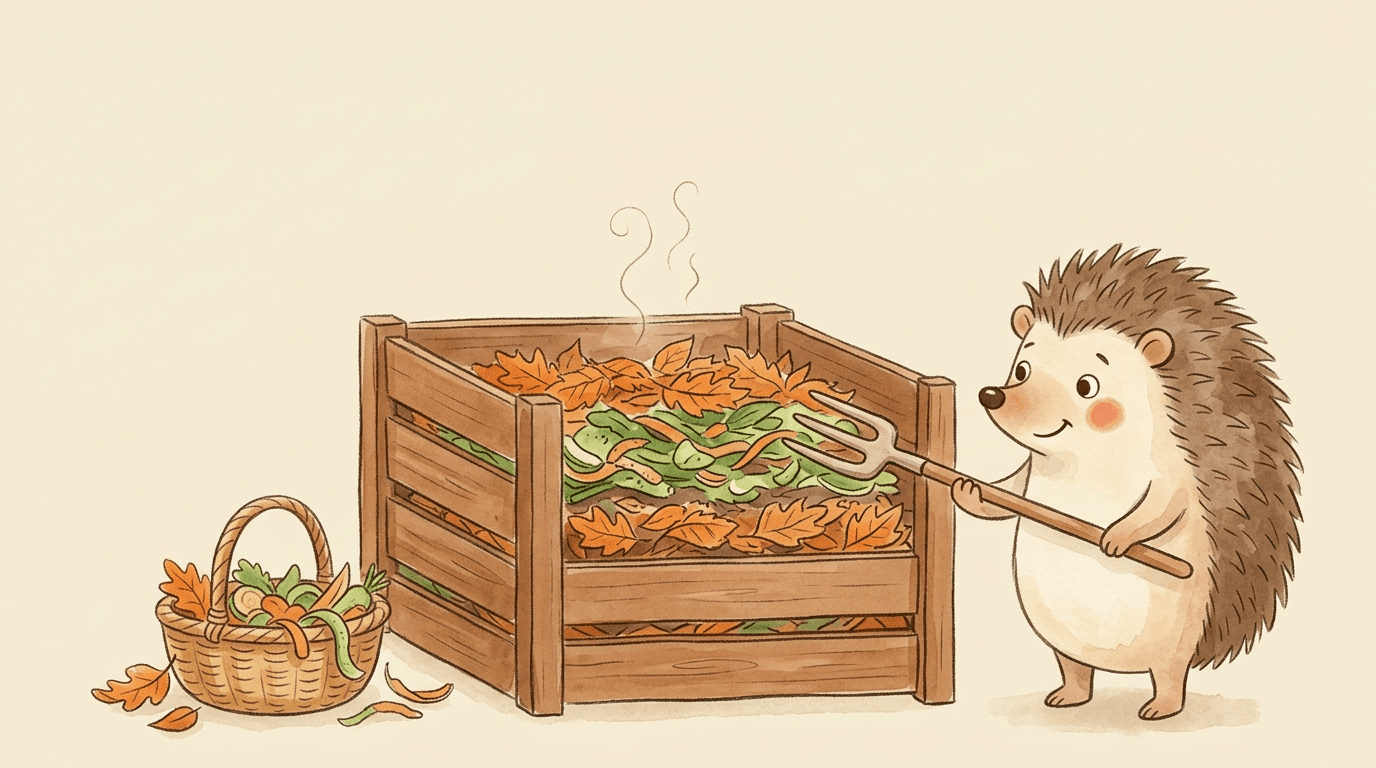
Starting an autumn compost pile: 3 parts leaves, 1 part kitchen scraps
Frau Schneider's compost pile just sat there all winter. No steam on cold mornings, no warmth, no breakdown — just a heap of dry leaves that hadn't changed a bit by March. The problem wasn't patience. It was the mix.
October 20, 2026 · 3 min read
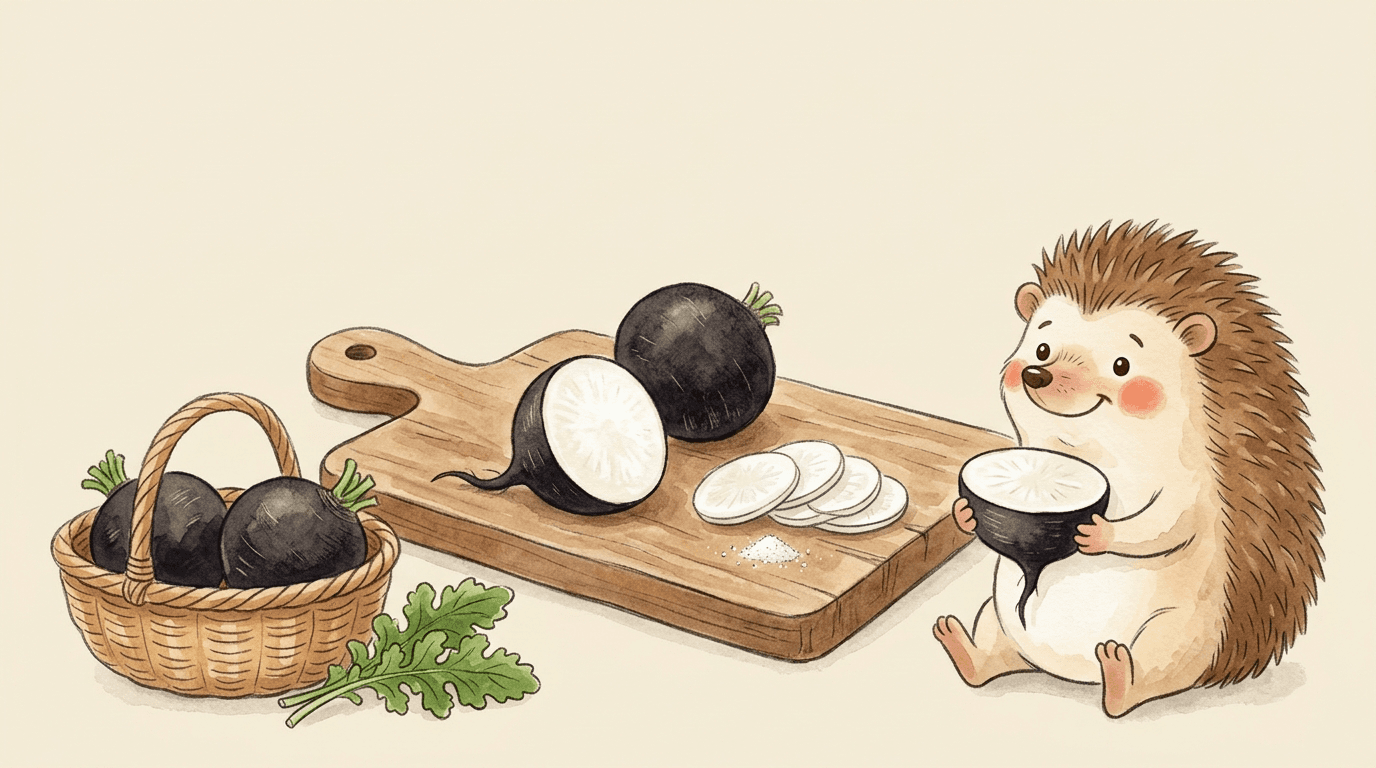
Black radish: why you should let it rest before you bite in
Last year Frau Schneider bit straight into one, unsalted, fresh out of the ground, and spent the next two minutes coughing instead of talking. The problem wasn't the radish. It was the timing.
October 14, 2026 · 2 min read
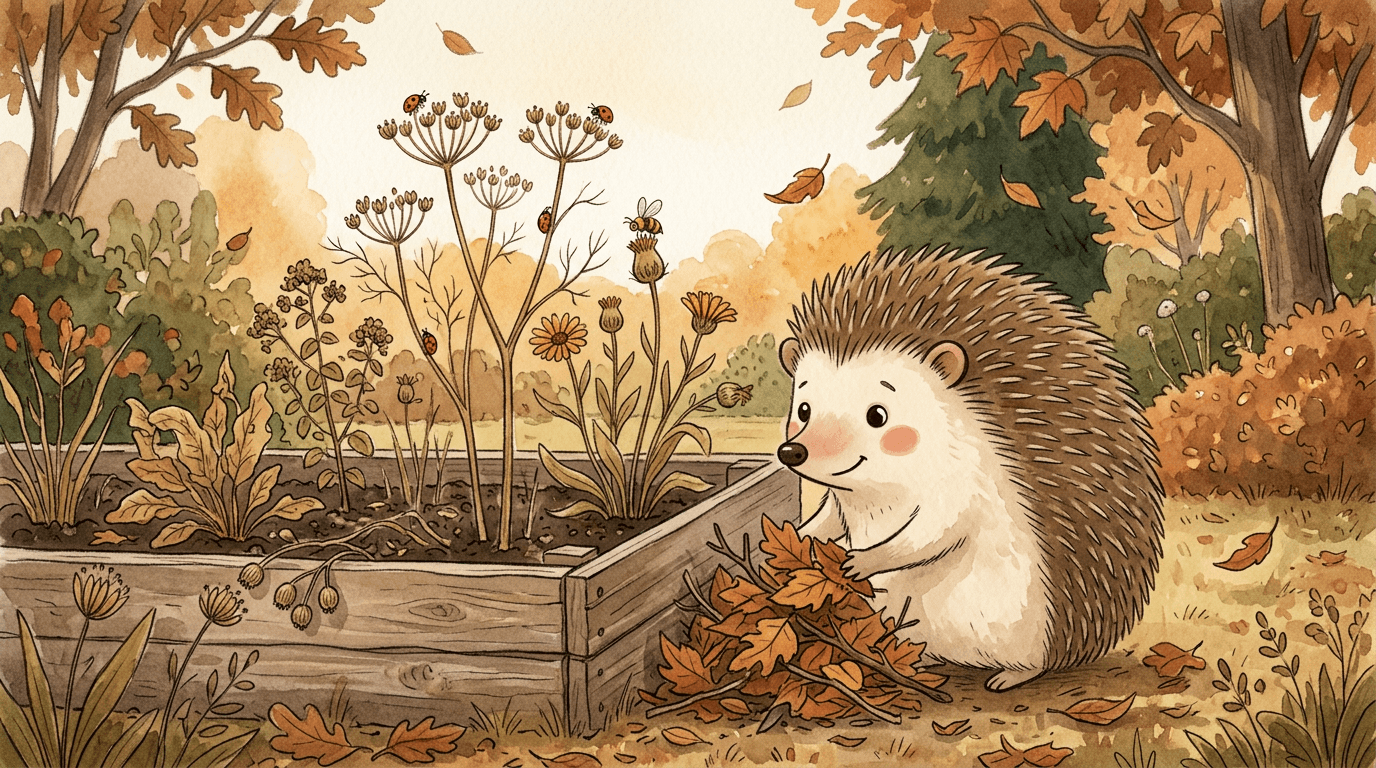
Why I only tidy up half my raised bed in October
Mr Zimmermann cut his entire raised bed down to the ground in one afternoon — stalks, seed heads, leaves, all gone. I should have warned him beforehand: not everything, only half. Here's what should stay standing and what really needs to go.