August 3, 2026 · by Stachi · 4 min read
Tomatoes in August: removing sideshoots and handling the heat the right way
August gets hot. Tomatoes need less attention to their foliage now and more to water. What to watch for so the best tomatoes still come — and why your variety makes the difference right now.

In August, many tomato plants suddenly get lazy. They barely grow, new flowers stick and drop instead of setting as expected. Some gardeners think the plants are done. That's not quite right.
August is the month when tomatoes don't need drama. But a little attention makes the difference between a mediocre and a really good harvest.
The sideshoots — now is not the best time anymore, but not too late either
Sideshoots (also called suckers) are the small shoots that grow between the main stem and the leaf stems. In June and July, they're easy to find and quick to remove.
In August, some sideshoots have already grown larger. But Frau Schneider wrote to me last week: «Stachi, I haven't removed all the small shoots yet. Is it too late now?»
It depends on what variety she has. Most indeterminate (unlimited growth) varieties don't need the sideshoots removed as urgently now. The plants will slow themselves down as the days get shorter. The shoots still there will set a few more flowers, and they'll still ripen.
What I would do: don't remove all of them. Only take off the very thick, strong shoots growing at the top. The lower, weaker shoots can stay. They won't take much energy from the tomato, and by late August the sun can't shine everywhere — a bit more foliage protects the fruits from sunscald.
With determinate, short-growing varieties (Pianto, Tumbling Tom), you don't need to remove sideshoots at all. It doesn't make sense anymore.
Water is the answer to almost everything that goes wrong now
In August, the most common complaints are: «My tomatoes are cracking» or «The flowers are falling off before they turn into fruits».
It's almost always about water. Not too much — inconsistently. A tomato wants a consistent moisture level every day. If it stands dry during the day and then gets two litres in the evening, the cells fill too quickly, the skin splits, and it's over.
My system: water every morning, not too much, but thoroughly. A handful of mulch — grass clippings, straw, compost layer — on top of the bed. That keeps the soil cool and the water where it should be.
When it's 35 degrees outside, some gardeners give water at midday too. I understand, but the plants take care of themselves better if you leave them alone in the heat. Water well in the morning, slow evaporation with mulch, check again in the evening. That's enough.
And the falling flowers? That's heat stress. When it gets over 30 degrees, some varieties simply stop producing flowers. That's normal. In September it gets better, and then they'll set again. You're not doing anything wrong.
Topping — but not too radically
Late August, indeterminate varieties (the ones that always want to keep growing) can be topped. Not radically — just the top 15 to 20 centimetres. That signals the plant: okay, we're winding down.
That encourages the plant to focus its energy on the fruits now, not on new flower shoots at the very top.
But watch out: if it's still very hot and you cut the plant hard, the fruit gets too much sun all at once, and you risk sunscald. Better do it gradually — top one side a bit now, the other side next week. That way the fruit slowly gets used to more light.
Variety is king right now
In August, you see which varieties are really good.
The classic raised bed varieties like Sweet Cherry, Cherrola or Tigerella are robust now and keep producing until September. They don't like the heat, but they keep going.
If you have a meaty tomato like Beefsteak or Brandywine — they're stressed in August. They need consistent water and a cooler location. They don't like it over 30 degrees. But the ones you have will taste incredibly good.
What you should NOT do: start new varieties now for raised bed harvest. That's too late for most. But if you can get small plants from a nursery (sometimes there are clearance sales) and they already have flowers on them, then yes — they'll still produce until mid-September.
The first harvest is always green
Many tomatoes are sitting green in the bed now and look like they'll never turn red. That's a misconception. Tomatoes need cool nights to really turn red. In July and early August, when nights are still 18 to 20 degrees, that won't happen.
Only when nights drop to 14 to 15 degrees in September does the process kick in.
That means: many of these green tomatoes will turn red. It just takes time. If your raised bed is very hot (because it gets lots of sun and you don't have windbreak), nights might be cool enough even in August — then it works.
What Frau Schneider does now
Frau Schneider told me her tomatoes already set almost all their fruits by early August. She waters every morning now (with mulch underneath), leaves the plants alone in the heat, and in the evening there's a quick check for pests.
She also noticed: a few of the older leaves are getting yellow spots. That's normal — the plants are shutting down the older leaves when it's hot. As long as it's not too many (less than a third of the leaves), it doesn't matter.
Her best tomato this year is an old Beefsteak plant that's sitting with a 800-gram fruit now — still green, but it'll come.
She said: «August is the month when you learn to be patient.»
That's exactly right.
🦔 Stachi
Products mentioned in this post
- Plantura organic tomato seed set (10 varieties)Open-pollinated, good germination — robust for raised beds.
- Organic tomato seed set, 14 varieties
- Organic heirloom tomato seed set (Demeter, 12 varieties)
- Organic vegetable seed set, 10 varietiesCucumber, tomato, beetroot, broccoli, carrot, chard & more.
Related plants

More articles
October 26, 2026 · 3 min read
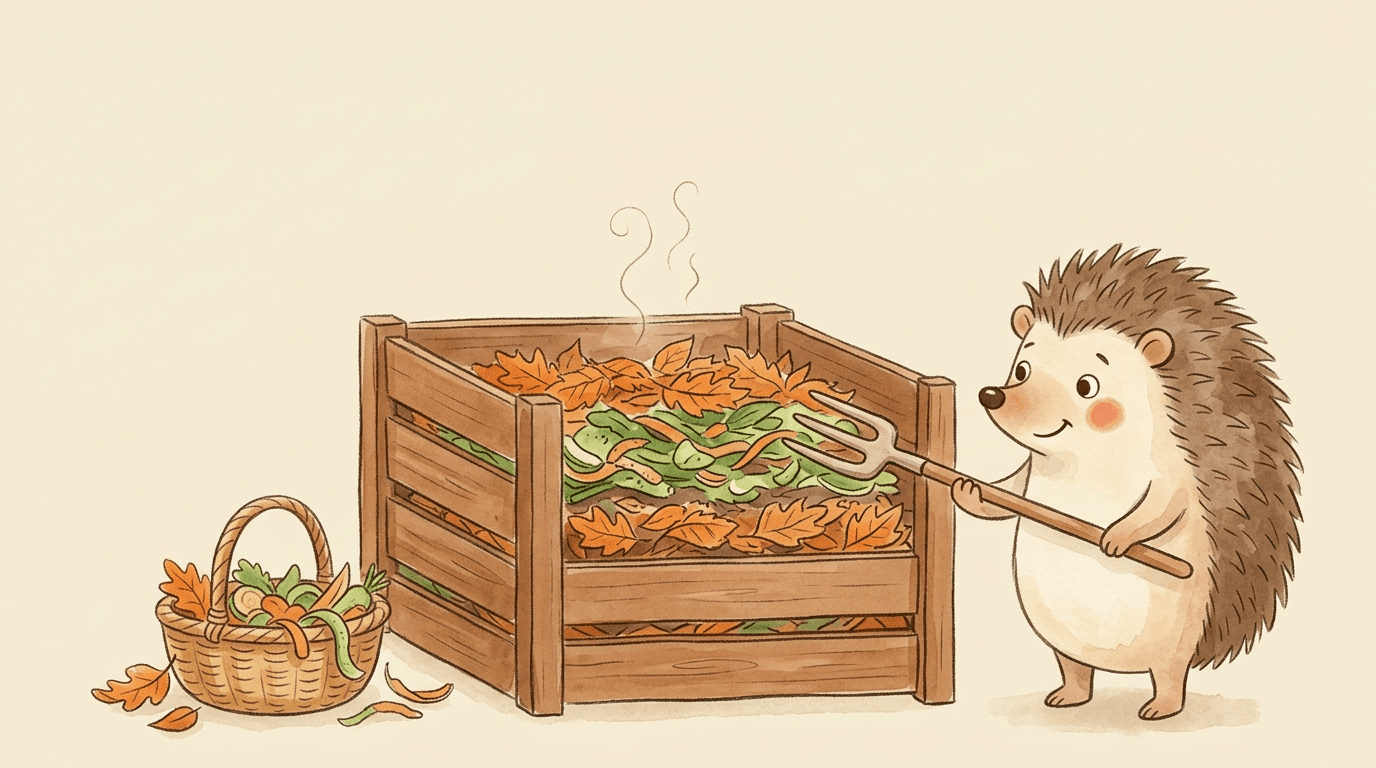
Starting an autumn compost pile: 3 parts leaves, 1 part kitchen scraps
Frau Schneider's compost pile just sat there all winter. No steam on cold mornings, no warmth, no breakdown — just a heap of dry leaves that hadn't changed a bit by March. The problem wasn't patience. It was the mix.
October 20, 2026 · 3 min read
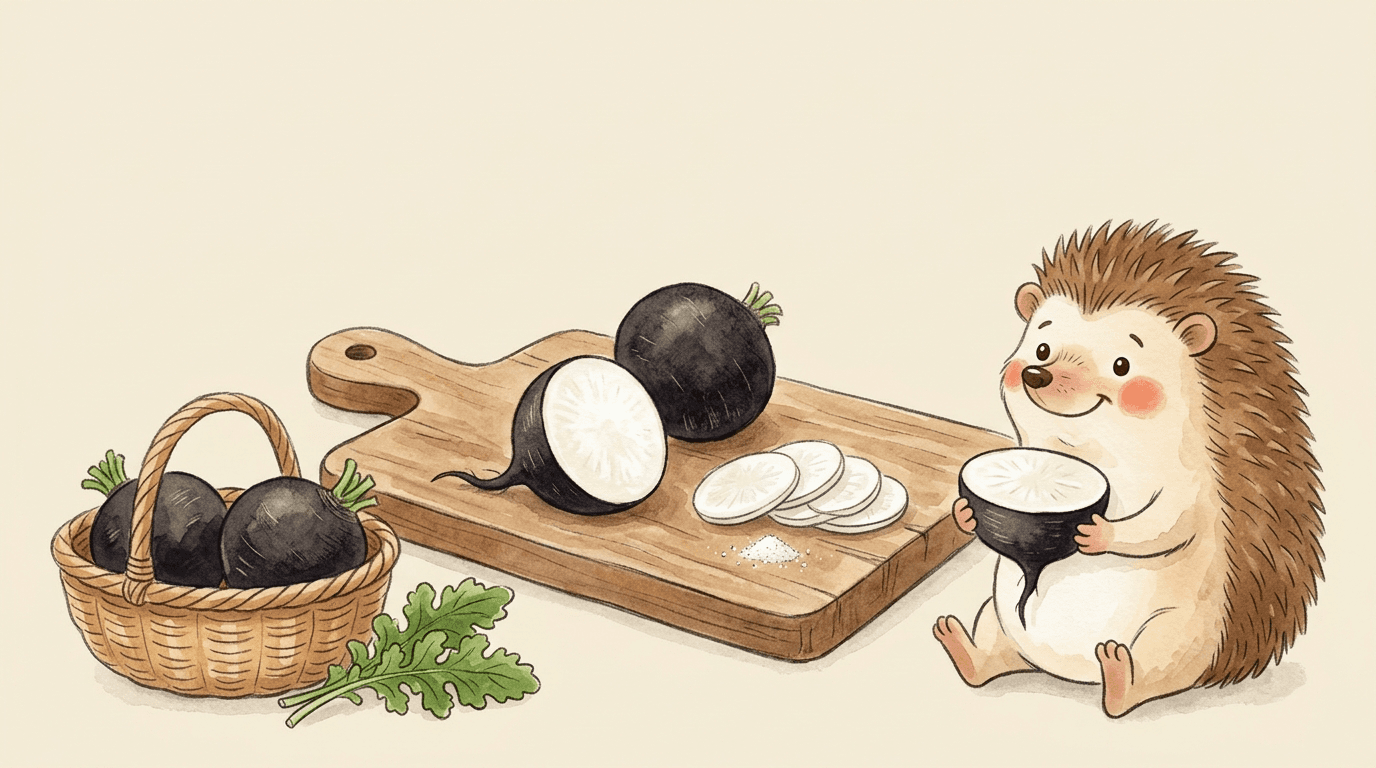
Black radish: why you should let it rest before you bite in
Last year Frau Schneider bit straight into one, unsalted, fresh out of the ground, and spent the next two minutes coughing instead of talking. The problem wasn't the radish. It was the timing.
October 14, 2026 · 2 min read
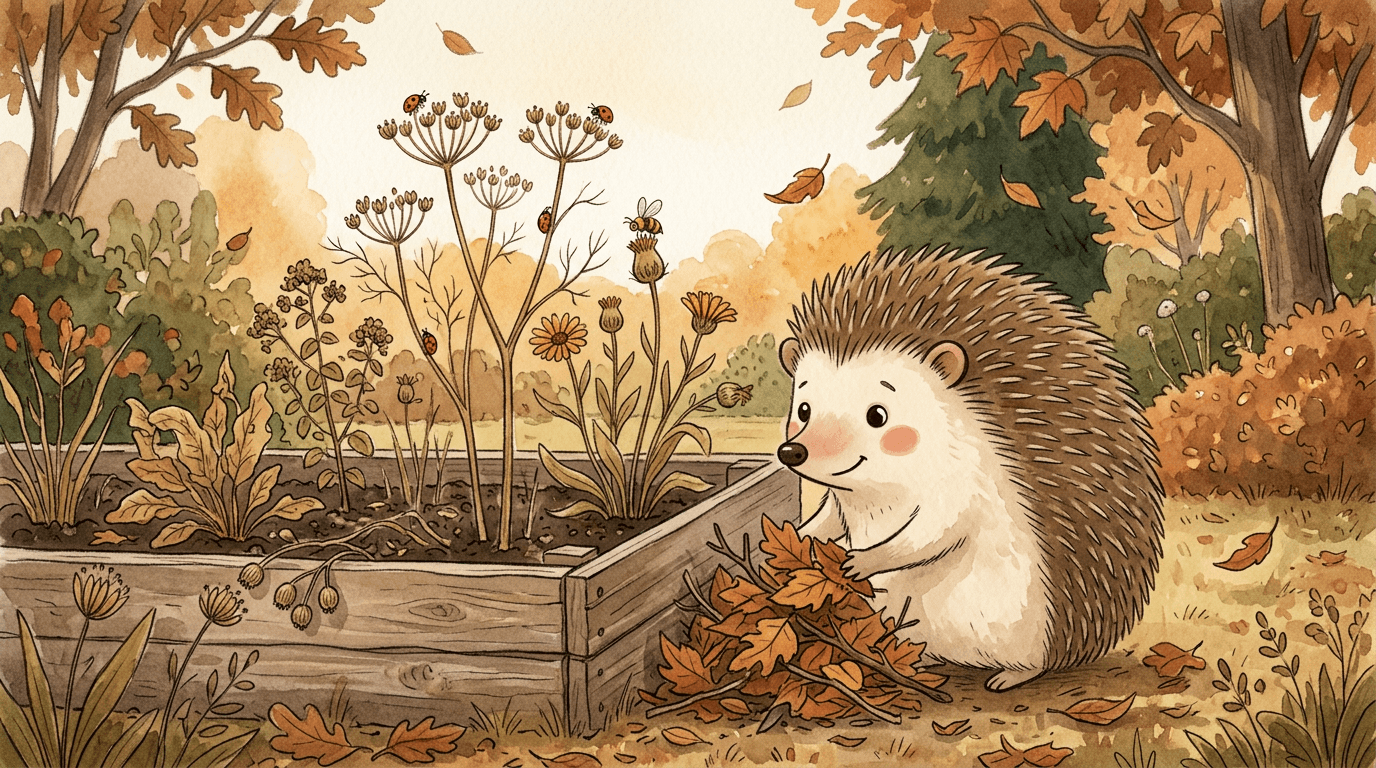
Why I only tidy up half my raised bed in October
Mr Zimmermann cut his entire raised bed down to the ground in one afternoon — stalks, seed heads, leaves, all gone. I should have warned him beforehand: not everything, only half. Here's what should stay standing and what really needs to go.