April 13, 2026 · by Stachi · 3 min read
Berry shrubs in the raised bed — what really works and what doesn't
Blueberry, raspberry, gooseberry — three berries, three very different needs. Which the raised bed actually handles, and which you should plant in the ground.
Berry shrubs in a raised bed are a debate. On one hand: harvesting at hip height, no stooping. On the other: berry shrubs live many years, want specific soil conditions, and if the pH is wrong, the plant just sits there sulking.
Here's the honest split — which berries belong in a raised bed, which don't, and what to watch for.
Blueberry — raised-bed star, but only with acid soil
Blueberries are nearly perfect for a raised bed. Shallow root ball, they want acidic soil (pH 4-5), which you can mix yourself in a raised bed. In normal garden soil (pH 6-7) they die.
My mix for the blueberry corner: 50% rhododendron soil (acidic), 30% compost, 20% sand. You also need this section separated from the main bed — either with a buried liner or a dedicated mini-raised-bed. Otherwise the acidic zone dilutes into the neighbours' soil.
Plant 2 different cultivars ("Bluecrop" + "Patriot" for example) — they cross-pollinate and the yield jumps noticeably.
Raspberry — works, but mind the root behaviour
Raspberries spread. Their underground runners can take over a whole bed in 2 years. If you plant them, you need a root barrier — either a buried bottomless pot, or a vertical liner 40 cm deep.
Variety choice: autumn raspberries ("Autumn Bliss" etc.) are easier in raised beds than summer raspberries. You cut them down to ground level in late winter, and they regrow each year from the roots. No wire trellis needed.
Gooseberry — works, but prickly
Gooseberry in a raised bed is possible, but space-hungry: 1 m clear distance to anything else. And the thorns make harvesting a sport. Upside: at hip height in a raised bed, you don't have to bend into the thicket.
If you go for gooseberry, pick a low-thorn variety ("Captivator" for example). Saves bloody fingers.
Currants and friends
Redcurrant and blackcurrant work too, but want 1.2-1.5 m spacing. In a typical 4 m² raised bed that doesn't leave much for anything else — one currant bush takes up a quarter of the area.
Strawberry — not a shrub, but belongs in the list
Strawberries are the exception: not a shrub but a low-growing perennial. They spread happily in a raised bed, but controllably. Pull runners yearly or relocate them. More in our strawberries-in-raised-bed article.
What to skip
- Blackberry in a normal raised bed: too vigorous, too long canes (3+ m), too prickly. If at all, a thornless variety on its own mini-bed against a wall.
- Aronia, sea buckthorn, elderberry: too big. Grow 2-3 m tall and break any bed concept. Classic ground-bed shrubs.
Companion planting with shrubs
Most berry shrubs like mulched soil around them and don't want their shallow roots disturbed. What you can plant beneath:
- Garlic + chives — neither disturbs the roots, and their sulphur compounds may help against fungal diseases on berries
- Low herbs like thyme at the edge
- Don't: other shrubs right next door (competing for water and root space)
My mini-plan: one berry-only raised bed
If you reserve a 80×200 cm raised bed exclusively for berries:
- One corner (60×60 cm) acidic zone for 2 blueberry varieties side by side (with root barrier to the rest)
- Middle section (60×100 cm) for 2-3 autumn-raspberry roots (with root barrier around them)
- Other corner (60×40 cm) for one gooseberry OR one currant
- Gaps filled with garlic and chives
Yield expectation in year 3: 2-3 kg blueberries, 1-2 kg raspberries, 500 g gooseberries. Sounds modest, feels like plenty in August.
In our plant library you'll find details for each variety. Stachi also slots them into the bed layout automatically when you pick them in the planner — including the root-barrier note for raspberries.
Berry shrubs are a multi-year investment. You plant in April, you harvest meaningfully only in year 2. Year 3 is when things really flow; year 4 you can't keep up. Patience pays off.
I'm going to check whether my blueberries are setting flower yet. Spring is always the most anxious moment.
🦔 Stachi
More articles
October 26, 2026 · 3 min read
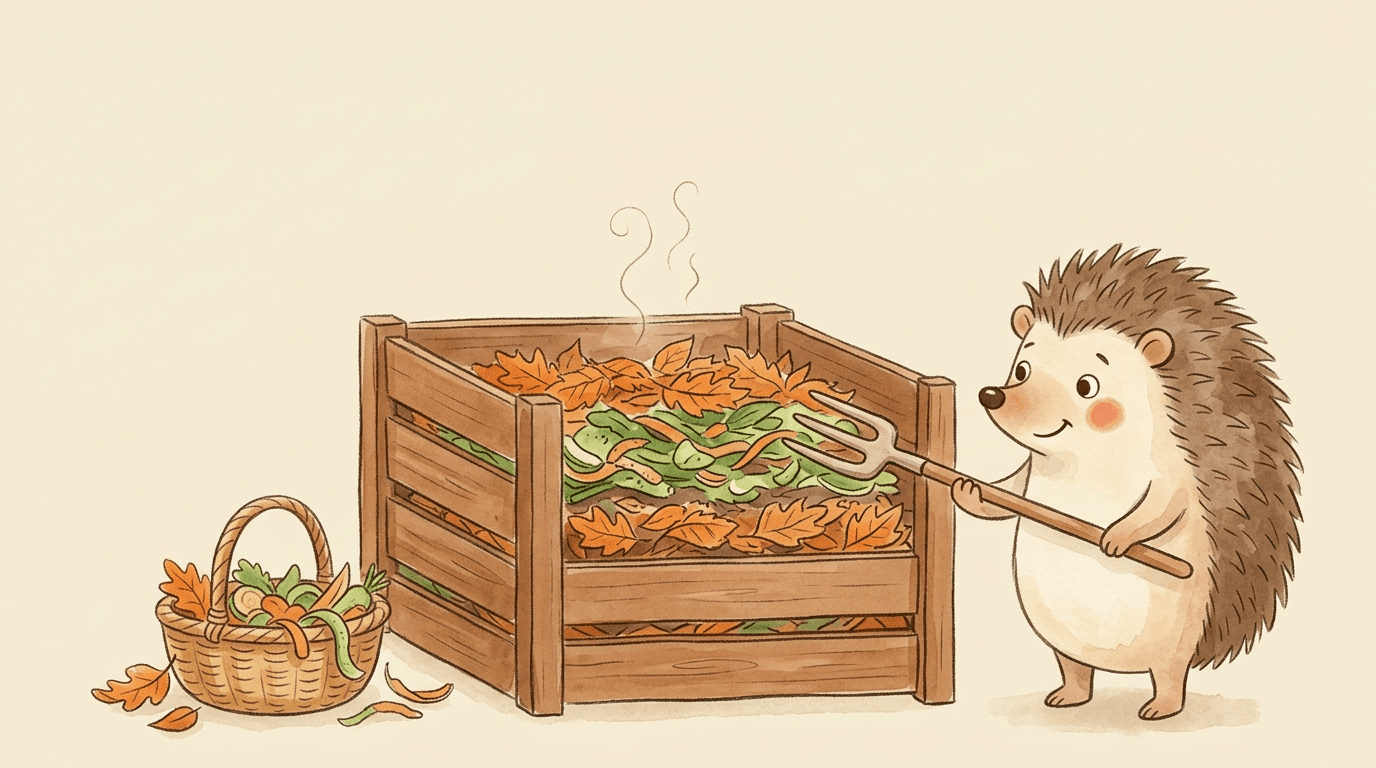
Starting an autumn compost pile: 3 parts leaves, 1 part kitchen scraps
Frau Schneider's compost pile just sat there all winter. No steam on cold mornings, no warmth, no breakdown — just a heap of dry leaves that hadn't changed a bit by March. The problem wasn't patience. It was the mix.
October 20, 2026 · 3 min read
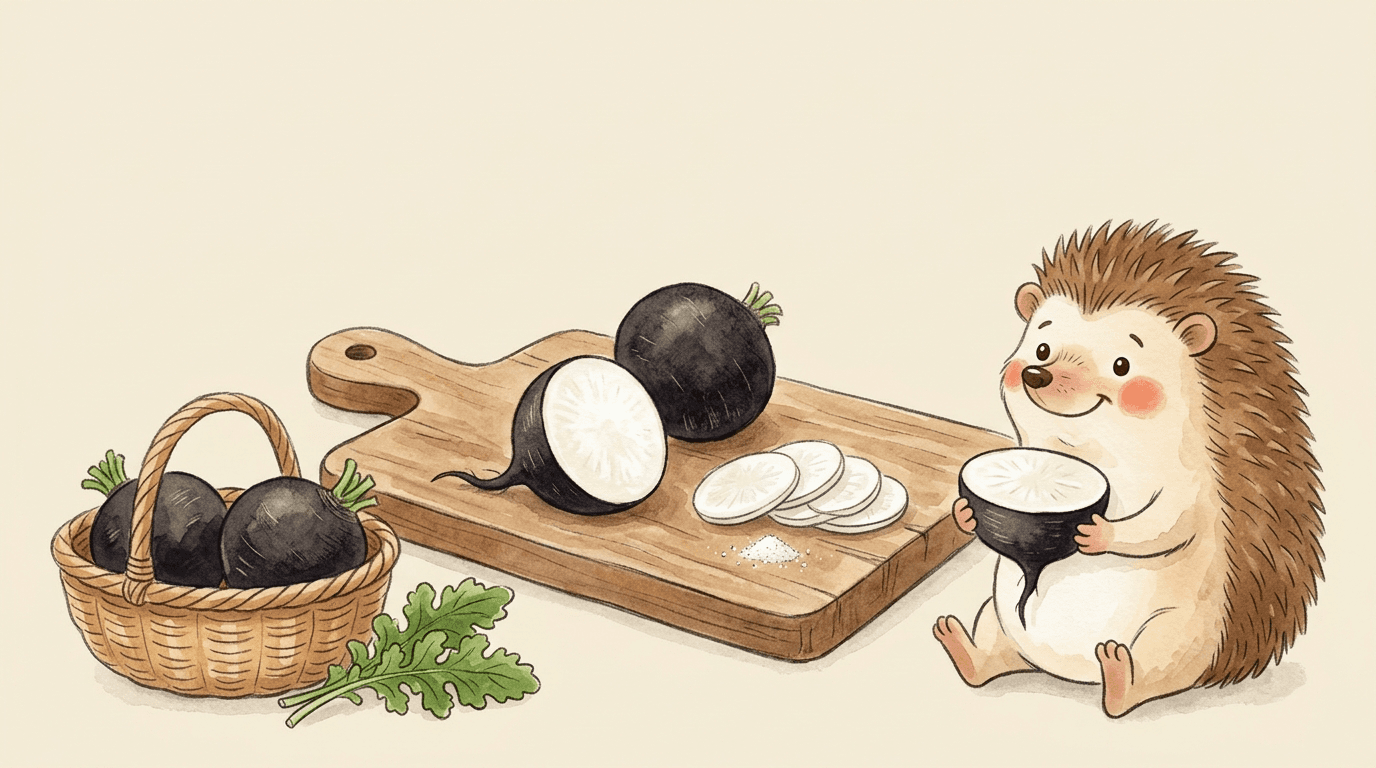
Black radish: why you should let it rest before you bite in
Last year Frau Schneider bit straight into one, unsalted, fresh out of the ground, and spent the next two minutes coughing instead of talking. The problem wasn't the radish. It was the timing.
October 14, 2026 · 2 min read
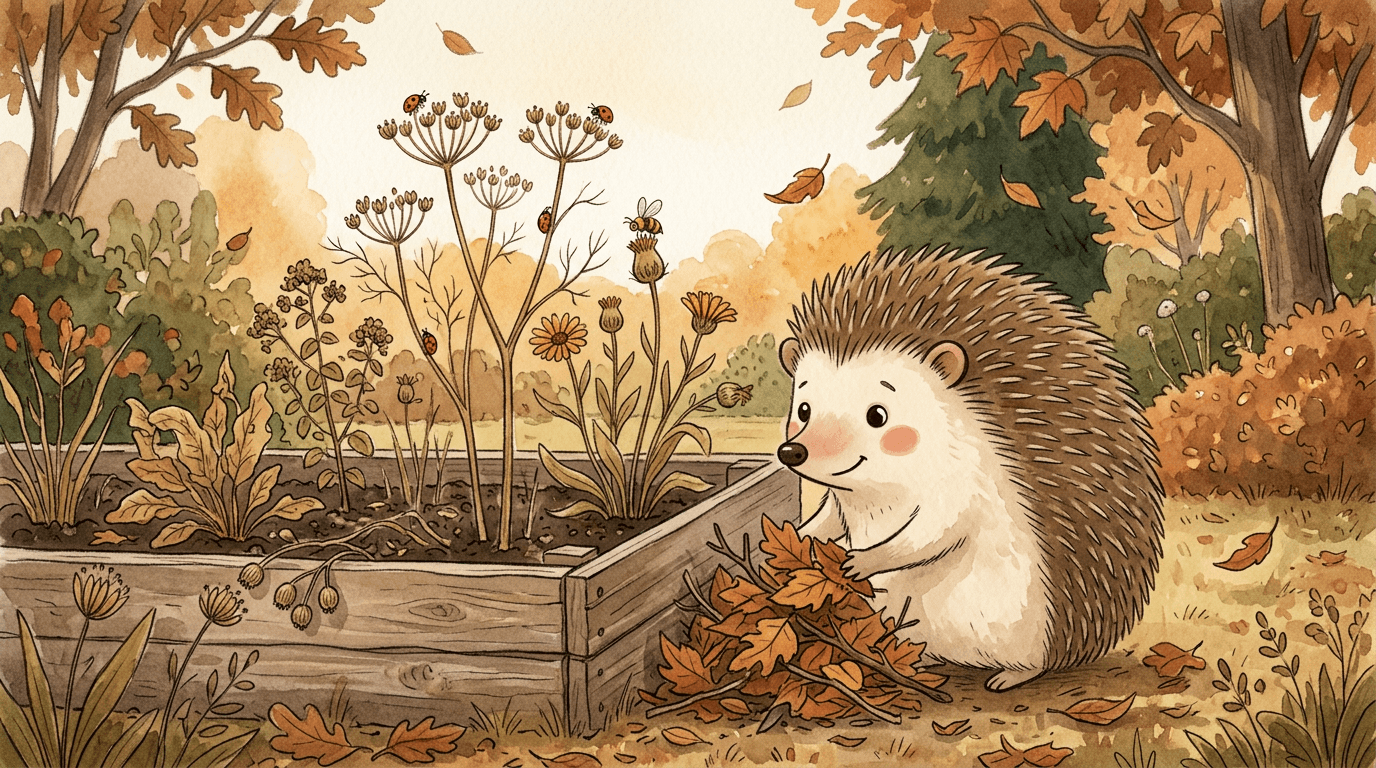
Why I only tidy up half my raised bed in October
Mr Zimmermann cut his entire raised bed down to the ground in one afternoon — stalks, seed heads, leaves, all gone. I should have warned him beforehand: not everything, only half. Here's what should stay standing and what really needs to go.