April 15, 2026 · by Stachi · 4 min read
The ice saints — the most honest version you'll find
Pankratius, Servatius, Bonifatius, Sophia. Four saints from the 7th century who, with a bit of luck, will save your tomatoes.

I was over at Frau Schneider's bed the other day, watching her plant tomatoes. It was 8 May, beautiful spring weather, 20 degrees. She was tucking the last two seedlings into the soil when I said: "Frau Schneider, the ice saints aren't through yet."
She looked at me and said: "Stachi, the what saints?"
I was speechless for a moment. Then I remembered: Frau Schneider grew up in Hannover. And in northern Germany, the ice saints are barely a thing. Up there they're sometimes called Eismänner (ice men), and they're not nearly as dramatic.
So we sat down on the bed's edge and I explained the ice saints to her. I'm doing the same thing today — for everyone who didn't grow up in the southern German weather-lore tradition and is wondering why suddenly everyone's talking about die Eisheiligen in mid-May like they're four old aunts from the next village over.
The ice saints, briefly
The ice saints are four (in southern Germany and Austria) or five (in Switzerland sometimes) saints, who according to medieval folklore bring one last cold snap right before summer arrives:
- Mamertus (11 May) — only counted in northern Germany and parts of Switzerland
- Pankratius (12 May)
- Servatius (13 May)
- Bonifatius (14 May)
- Sophia — "Cold Sophie", the last of them on 15 May
In southern Germany the classic four are Pankratius through Sophia, i.e. 12-15 May. In the north Mamertus joins in a day earlier. We Swiss are pragmatic about it — we take whichever ones serve as a useful reminder.
Why these specific four days
Here it gets interesting. The folk-rule isn't made up. It's been observed. Over centuries. And there's actually a meteorological pattern behind it:
In the second week of May, a cold polar air mass from the northeast often pushes over Central Europe. By then the sun has plenty of strength, but if the night wind comes from Russia or Scandinavia and the sky is clear, the ground layer cools off massively. Frost damage at -2°C overnight, even though the daytime hit 18°C.
It doesn't happen every year. But often enough that old farmers said: "Don't plant tomatoes until the ice saints have passed." That was their way of managing this risk without weather forecasts.
In Switzerland concretely
For Berikon (8965, Aargau), the Erntezeit system shows me: in 9 of the last 10 years, the last frost came before 14 May. Exactly Sophia. The old farmers were right.
But this doesn't apply everywhere:
- Ticino (Lugano): last frost usually end of April. Ice saints barely play a role there.
- Valais mountains (e.g. Davos): last frost sometimes into mid-June. The ice saints are a midpoint marker, not the end.
- Mittelland and Aargau: 14 May ± 5 days. Classic ice-saint territory.
In other words: if you live in Lugano and plant tomatoes on 8 May, you're probably fine. If you live in Davos and plant on 14 May, you're not through yet.
Why I take it seriously anyway
I once planted tomatoes on 11 May. The weather looked perfect. Three days later, on the night of 13-14 May, we had -1.5°C. All four seedlings were black the next morning.
Black like charred wood, limp like wet paper. Dead. That was it for the season — you can't replant in mid-May, the seedlings at the garden centre are gone too by then.
Since then: I respect the ice saints. Not because I'm superstitious, but because I once ignored them and paid for it.
What you can actually do
- Until Sophia (15 May), no frost-sensitive plants in the bed: tomatoes, peppers, eggplant, basil, courgettes, cucumbers, beans.
- Don't push ahead just because the spring is unusually warm. That's exactly when the ice saints are most dangerous — the warm May lulls you into safety, then comes the one cold night, and it's all gone.
- Early plants are fine: radishes, spinach, lettuce, kohlrabi, peas — most can go out in April, some as early as March. Only the Mediterranean-origin plants are frost-sensitive.
- Keep some fleece on hand if you really want to plant earlier — a thin garden fleece raises the soil temperature by 3-4°C overnight. Usually enough.
What Erntezeit does for you
You type in your location. We pull 10 years of weather data for that exact point, calculate the 90th percentile (i.e. what was the last frost in 9 of 10 years), and tell you for each of your plants exactly when they can go out.
If you're in Berikon, the answer comes out as mid-May — the ice saints, classic.
If you're in Lugano, it's end of April.
If you're in Davos, it's mid-June.
So you don't have to remember who Pankratius was, or whether Sophia was actually cold, or whether climate warming has shifted the whole thing yet. We do that for you.
Try the bed planner — we'll let you know when you can get started.
🦔 Stachi
Related plants


More articles
October 26, 2026 · 3 min read
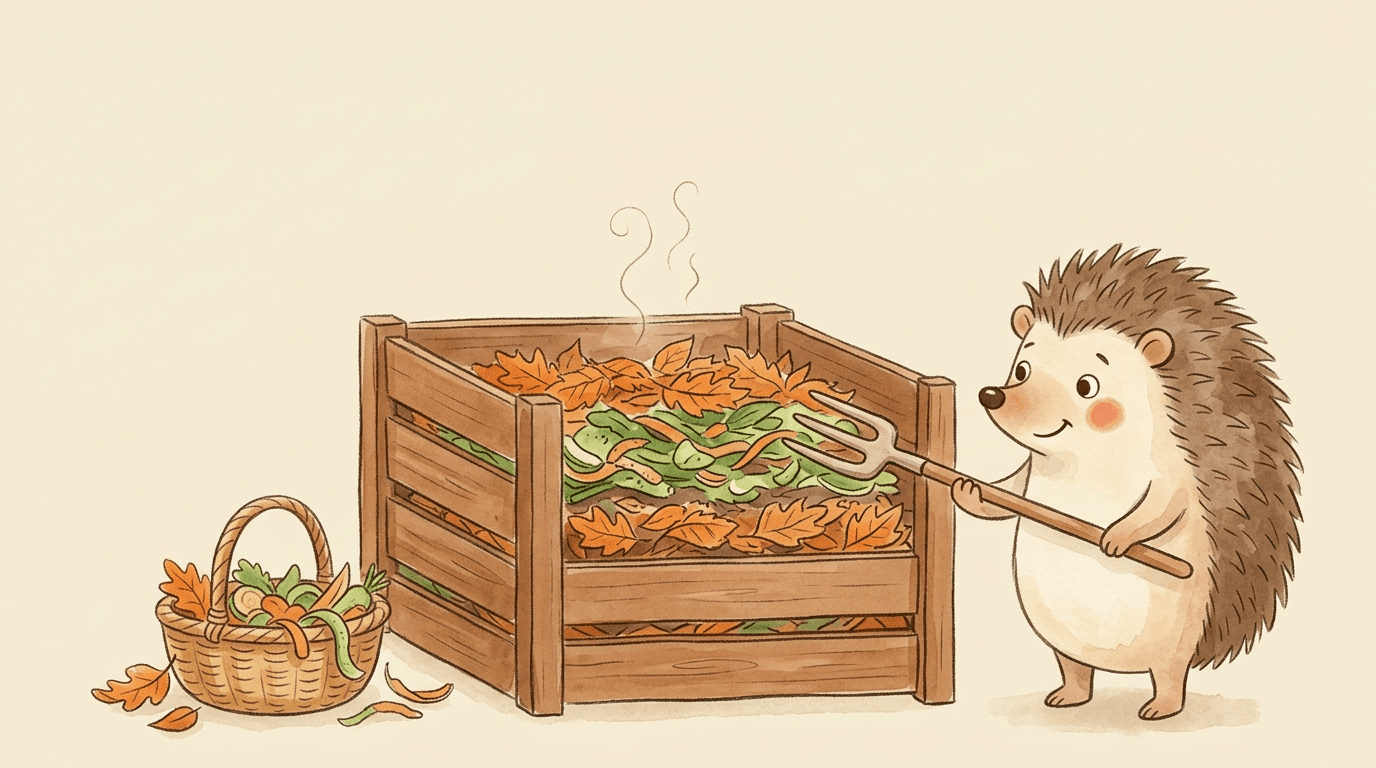
Starting an autumn compost pile: 3 parts leaves, 1 part kitchen scraps
Frau Schneider's compost pile just sat there all winter. No steam on cold mornings, no warmth, no breakdown — just a heap of dry leaves that hadn't changed a bit by March. The problem wasn't patience. It was the mix.
October 20, 2026 · 3 min read
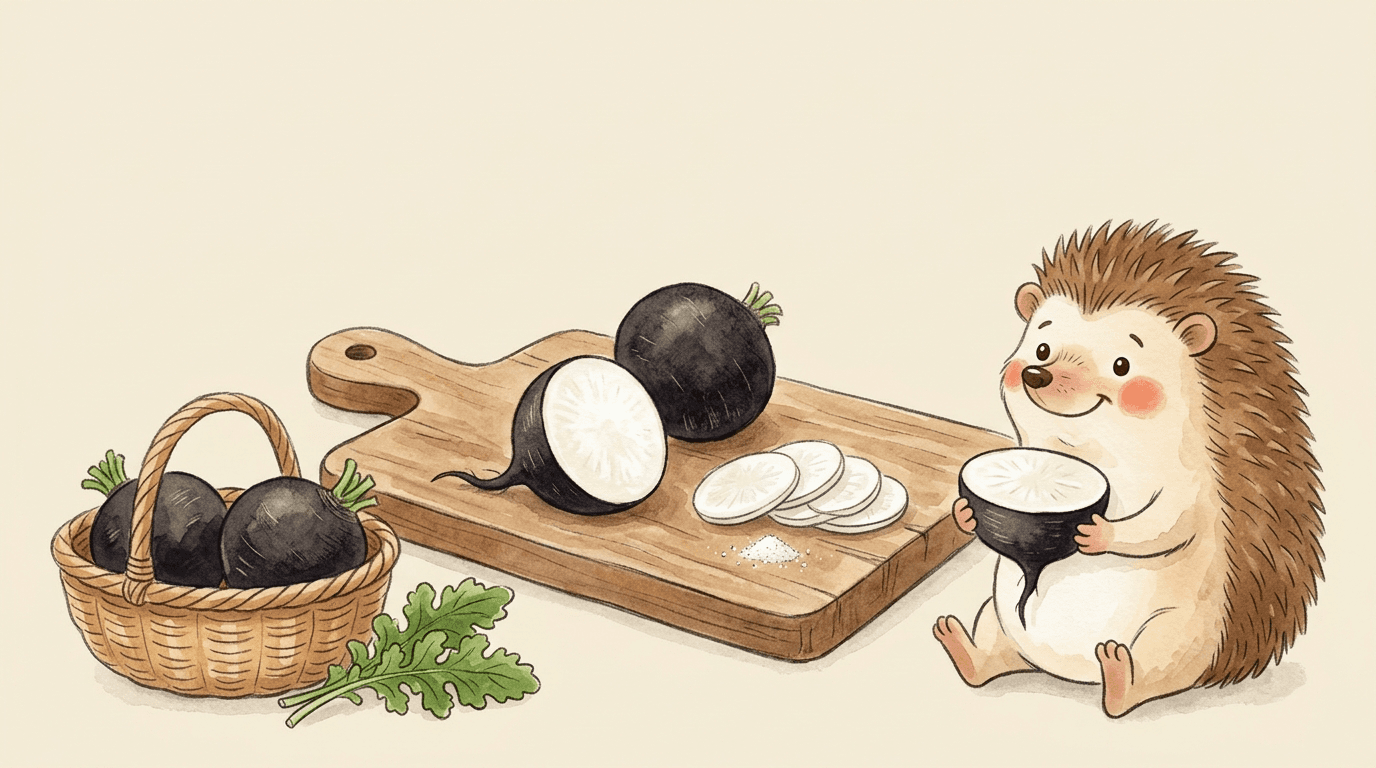
Black radish: why you should let it rest before you bite in
Last year Frau Schneider bit straight into one, unsalted, fresh out of the ground, and spent the next two minutes coughing instead of talking. The problem wasn't the radish. It was the timing.
October 14, 2026 · 2 min read
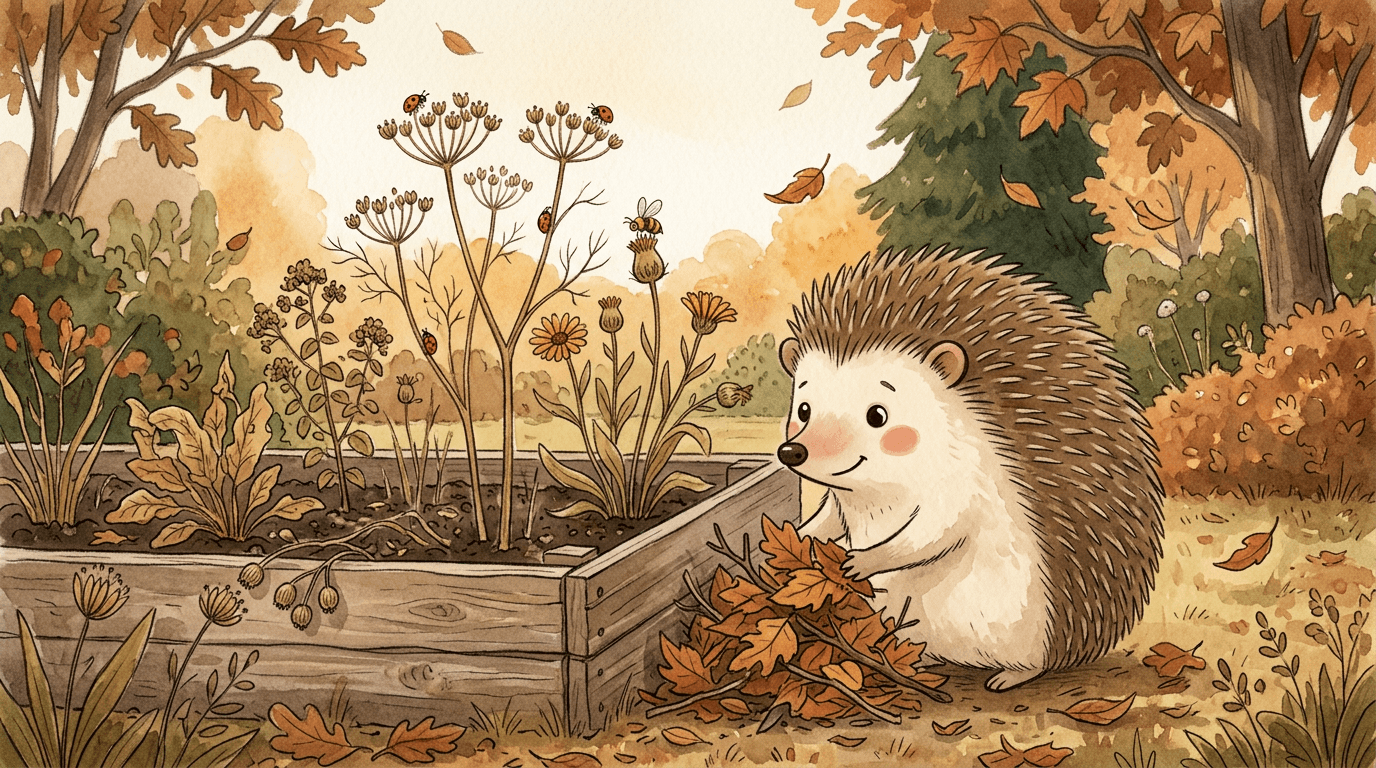
Why I only tidy up half my raised bed in October
Mr Zimmermann cut his entire raised bed down to the ground in one afternoon — stalks, seed heads, leaves, all gone. I should have warned him beforehand: not everything, only half. Here's what should stay standing and what really needs to go.