September 5, 2026 · by Stachi · 3 min read
The September switch: clearing summer crops and planting your autumn bed
September is the month of the big changeover. Tomatoes are winding down, courgettes are getting tired — and the space they leave behind is some of the most valuable growing ground of the whole year.

Mrs Schneider sent me a photo this week: a raised bed full of yellowing tomato leaves, drooping courgette vines and a cucumber plant that has somehow held on longer than anyone expected. Below the photo she wrote: "When do I clear all this out?"
Now. Not because the plants have stopped looking nice, but because September is a resource you cannot afford to waste.
What can come out — and what stays
Most summer crops are already showing signs of exhaustion by early September. That's not a problem, it's a signal.
Remove now:
- Courgette plants that are no longer setting new fruit and are just producing leaf mass
- Cucumber plants where the leaves are mildewed or yellowing
- Basil once it starts flowering (unless you want to collect seed)
- Spent lettuce that has bolted
Leave in for now:
- Tomato plants as long as green fruit is still hanging — they will ripen
- Peppers and aubergines that are still producing
- Leeks, which stay harvestable well into winter
- Chard, which is just hitting its stride
The goal is not a tidy bed for tidiness's sake. The goal is to create space for autumn crops before the window for sowing and planting closes.
How to get the soil ready quickly
A common mistake: leaving the bed open for a week after clearing. By then the soil has dried out, formed a crust, and weeds have moved in.
What I do instead: right after clearing, I work through with a garden fork — shallow, not deep. Then a thin layer of mature compost goes on top, two to three centimetres. Then I sow or plant straight away.
No deep digging. No waiting. The soil after a summer of activity is well-structured. You don't need to break that up.
If your compost isn't quite ready: work it in, but wait a week before planting the more sensitive crops. Spinach and pak choi are less forgiving of half-matured compost than radishes.
What you can still sow or plant now
In early September — up to about the 10th — you still have the following options in most Swiss and central European lowland locations:
Direct sow (still works):
- Spinach — 40 to 50 days to harvest, handles light frosts well
- Radishes — ready in 20 to 25 days, sharper and crispier than summer ones
- Corn salad (mâche) — if you didn't sow in August, now is the last chance; with fleece it will overwinter
Plant as seedlings (faster than starting from seed):
- Pak choi transplants — harvest-ready in three to four weeks
- Kohlrabi, early autumn variety — grows surprisingly fast while it's still warm
- Lettuce seedlings (Lollo, Batavia) — plant by mid-September and you'll still get a harvest
Don't bother starting:
- Cucumbers, tomatoes, courgettes — no chance this season
- Broccoli from seed — not enough time before frost
The fleece trick
Fleece is your best friend in September. It extends the growing period by two to three weeks — and in autumn, that's the difference between a harvest and a failed crop.
I don't put it on the plants straight away. I wait until nights are consistently dropping below ten degrees. In Switzerland's central plateau that usually happens around mid-October — later in warmer valleys, earlier at altitude.
Until then, I leave the plants uncovered. They adapt to the conditions and become more robust. The fleece goes on when the first cold snap arrives.
With fleece, you can easily get an extra month of harvest from your autumn crops. It's worth it.
What Mrs Schneider is doing now
I wrote back: courgette out, cucumber out, basil out. Loosen the soil, add compost. Then three rows of spinach, one row of radishes, and if she can find pak choi seedlings: get them in.
She asked: "And the tomatoes?"
The tomatoes stay. There's still plenty of green fruit hanging. But as soon as the first plant gives up, she'll pull the others too — and spinach goes into the space that opens up.
That's the September plan: don't wait until everything is yellow and dry, don't regret in spring that the bed stood empty for three autumn weeks. Act now, while the soil is still warm and the light is still decent.
By late October, Mrs Schneider will have a full autumn bed. I'm looking forward to the next photo.
🦔 Stachi
Products mentioned in this post
- Plantura organic tomato seed set (10 varieties)Open-pollinated, good germination — robust for raised beds.
- Organic tomato seed set, 14 varieties
- Organic heirloom tomato seed set (Demeter, 12 varieties)
- Organic vegetable seed set, 10 varietiesCucumber, tomato, beetroot, broccoli, carrot, chard & more.
Related plants


More articles
October 26, 2026 · 3 min read
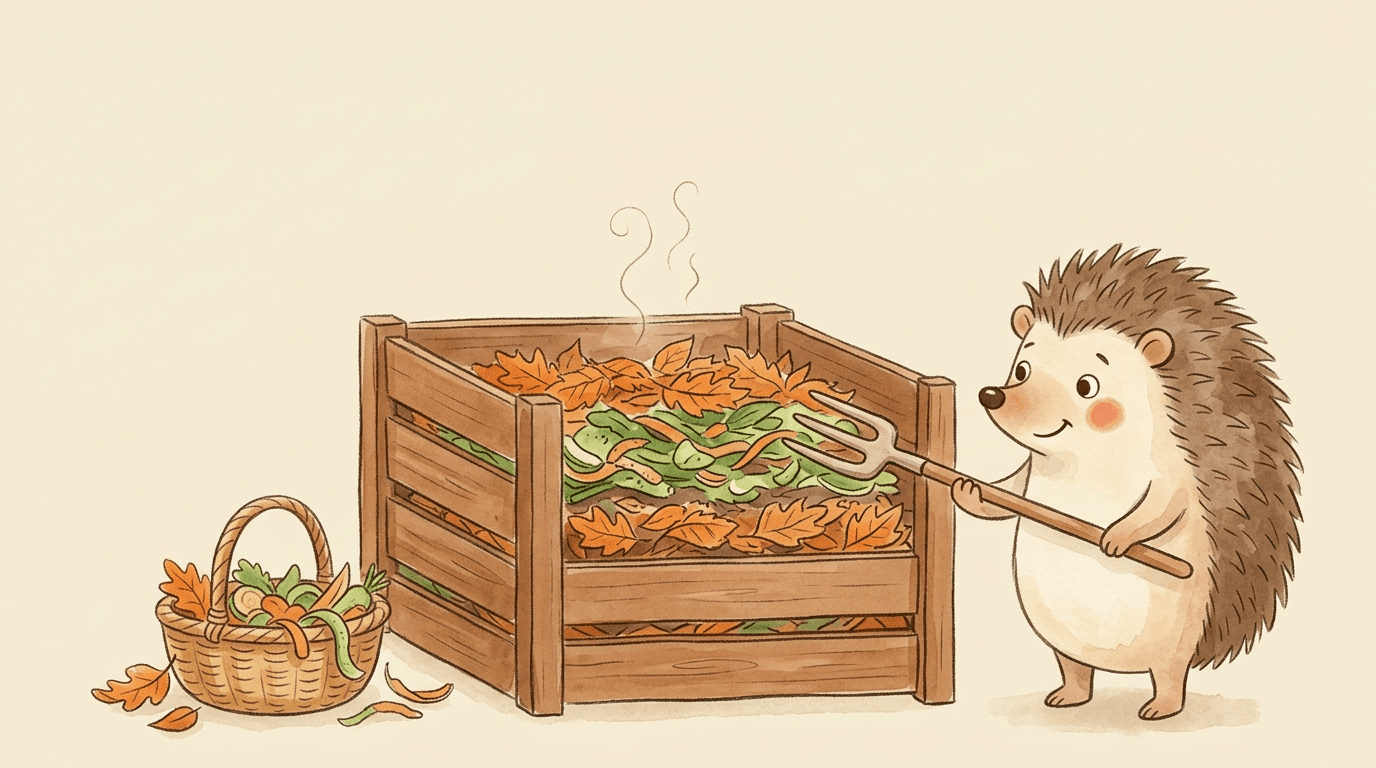
Starting an autumn compost pile: 3 parts leaves, 1 part kitchen scraps
Frau Schneider's compost pile just sat there all winter. No steam on cold mornings, no warmth, no breakdown — just a heap of dry leaves that hadn't changed a bit by March. The problem wasn't patience. It was the mix.
October 20, 2026 · 3 min read
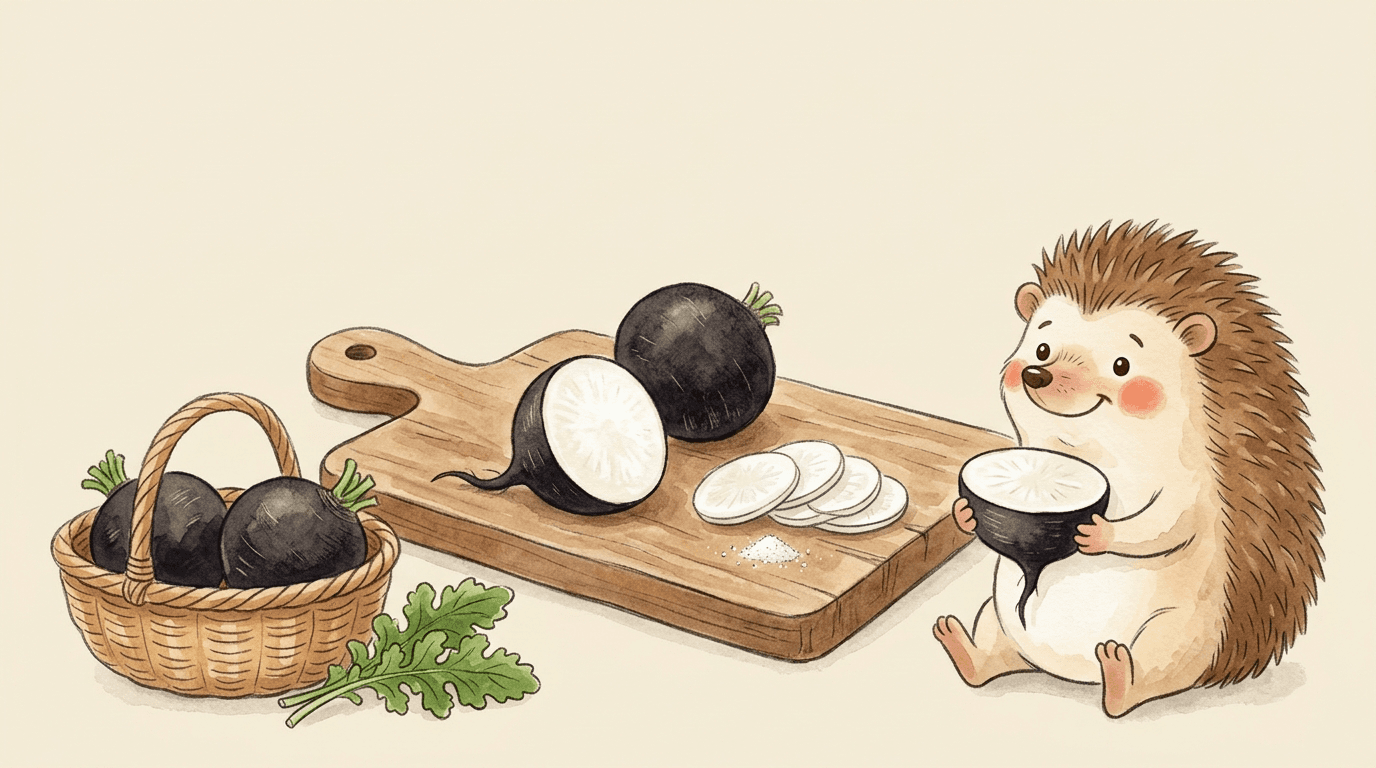
Black radish: why you should let it rest before you bite in
Last year Frau Schneider bit straight into one, unsalted, fresh out of the ground, and spent the next two minutes coughing instead of talking. The problem wasn't the radish. It was the timing.
October 14, 2026 · 2 min read
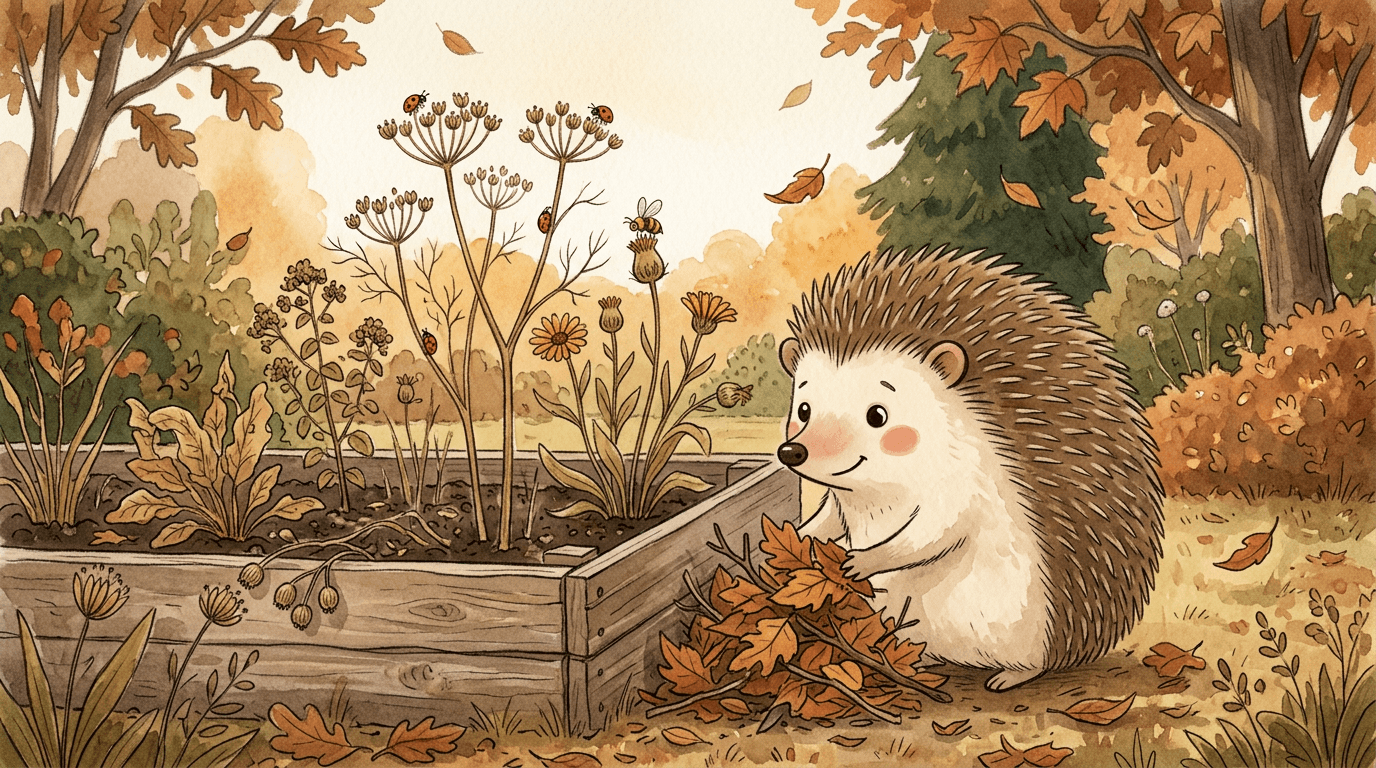
Why I only tidy up half my raised bed in October
Mr Zimmermann cut his entire raised bed down to the ground in one afternoon — stalks, seed heads, leaves, all gone. I should have warned him beforehand: not everything, only half. Here's what should stay standing and what really needs to go.