July 29, 2026 · by Stachi · 4 min read
Pumpkins in the raised bed: what to do in July — and why it decides your September harvest
Frau Schneider writes: 'Stachi, my pumpkin is growing out of control. The vines are everywhere. What should I do?' I told her that right now — in July — she decides what ends up in her kitchen in September.

Last week Frau Schneider sent me a photo. You could barely see the raised bed — the pumpkin had taken over almost everything. The vines were hanging over the sides, lying across the ground, and in the middle you could make out three small green pumpkins, each about the size of a fist.
"Stachi, is this normal? Should I cut the vines back? Should I do something?"
I replied: "It looks good. But right now — in the next three or four weeks — you decide what ends up in your kitchen in September."
Pumpkins don't just grow well on their own
The biggest misunderstanding with pumpkins: because they look so large and vigorous, many gardeners think you can simply leave them to do their thing. That's half true. The pumpkin will grow on its own. But whether it ripens well, stores for a long time, and gets truly large — that depends on what you do in July.
How many fruits per plant
This is the most important decision in July: how many pumpkins do you let develop on one plant?
A good rule of thumb: two to three fruits per plant, depending on the variety. If you let four or five pumpkins grow, the plant divides its energy across too many fruits. You end up with five pumpkins, none of which has properly ripened or sized up.
Two good, full-grown pumpkins are better than five small, half-finished ones.
Which ones do you keep? The most developed ones that are sitting in a good position. Pumpkins that rest directly on firm ground often develop better than those hanging or in an awkward spot. Once you've decided — you can cut off the remaining small fruits. It feels drastic at first, but the plant will thank you for it.
Getting the fruits off the bare ground
A detail that makes a real difference: pumpkins lying directly on bare soil can rot from underneath or develop ugly damp patches. I put a plank, a piece of wood, or a thick bundle of straw under each pumpkin. This keeps moisture away from the fruit and allows air to circulate underneath.
It sounds like a small thing. But a pumpkin that's rotting from the bottom is lost by October — even if it looks perfect from above.
Removing leaves — but not too many
A pumpkin needs its leaves to produce energy. But old, diseased, or dead leaves contribute nothing and take up space.
What I do: I remove leaves that lie flat on the ground and stay damp. I remove leaves that have yellowed or developed brown patches. And sometimes I deliberately remove a leaf that's shading a fruit — so the sun can reach the pumpkin more directly.
What I don't do: cut back leaves broadly or shorten the vines. That costs the plant energy it now needs for the fruit.
Watering: at the base, not over the leaves
Pumpkins need regular water in summer — especially when it's hot. But water directly at the base of the plant, not from above across the leaves.
Damp pumpkin leaves invite powdery mildew. It appears as a white-grey, floury coating on the leaf surface. It doesn't kill the plant immediately, but it weakens it and cuts the growing season short. Once it's there, it doesn't fully disappear.
I water in the morning so the foliage can dry out during the day. In July I water every other day, daily during real heatwaves.
The vines: let them grow, but guide them
Pumpkin vines grow fast — sometimes ten to fifteen centimetres a day. You don't need to cut them back. But you can guide them: away from pathways, away from other plants, towards a clear patch of ground.
I secure vines with a simple clip or just lay them in the direction I want. No force — just a nudge. The vine follows on its own from there.
When is a pumpkin ripe?
Harvest is in September or October — depending on variety and location. Here in Berikon I usually harvest Hokkaido in mid-September, and large Butternut varieties not until early October.
How do you know a pumpkin is ripe?
The stem turns corky. A ripe pumpkin has a dry, woody stem that feels like cork. An unripe one has a green, juicy stem.
The skin is hard. Press your fingernail lightly against the skin. If it doesn't give at all — the pumpkin is ripe. If it yields, it needs more time.
The sound. Knock on the skin. A ripe pumpkin sounds hollow. An unripe one sounds dull and dense.
Always harvest with the stem attached — leave at least five centimetres of stem on the fruit. Without a stem, the cut doesn't dry out properly and the pumpkin rots faster. With a good stem and cool, dry storage it easily keeps until January.
What Frau Schneider is doing now
I advised her: keep three fruits, cut off the rest. Put a piece of wood under each pumpkin. Remove the yellowed leaves lying on the ground. Water every other day — only at the base.
She wrote: "Kept two out of five. Feels strange."
I replied: "Wait until October."
In six weeks, when she takes the two pumpkins out of the cellar and cuts them open, it won't feel strange at all.
🦔 Stachi
Products mentioned in this post
- Plantura organic tomato seed set (10 varieties)Open-pollinated, good germination — robust for raised beds.
- Organic tomato seed set, 14 varieties
- Organic heirloom tomato seed set (Demeter, 12 varieties)
- Organic vegetable seed set, 10 varietiesCucumber, tomato, beetroot, broccoli, carrot, chard & more.
Related plants


More articles
October 26, 2026 · 3 min read
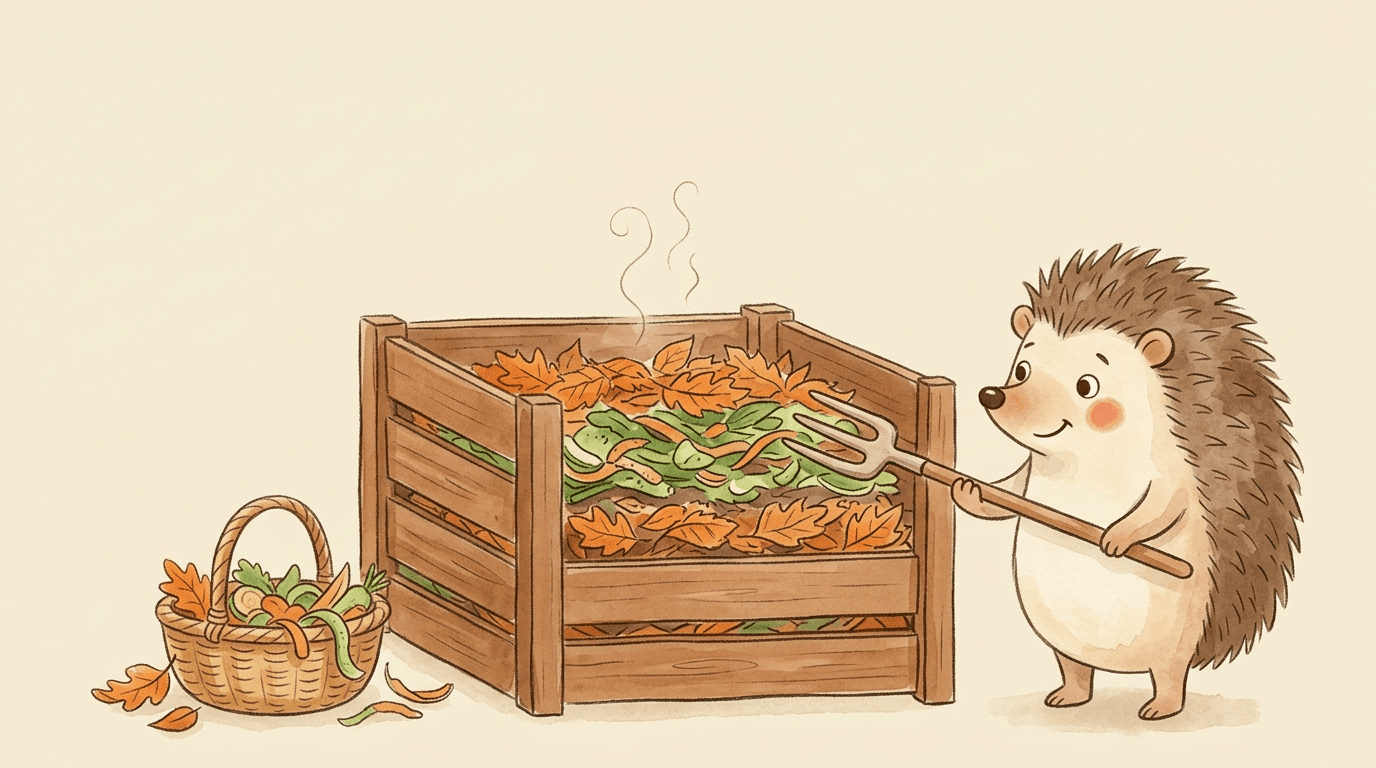
Starting an autumn compost pile: 3 parts leaves, 1 part kitchen scraps
Frau Schneider's compost pile just sat there all winter. No steam on cold mornings, no warmth, no breakdown — just a heap of dry leaves that hadn't changed a bit by March. The problem wasn't patience. It was the mix.
October 20, 2026 · 3 min read
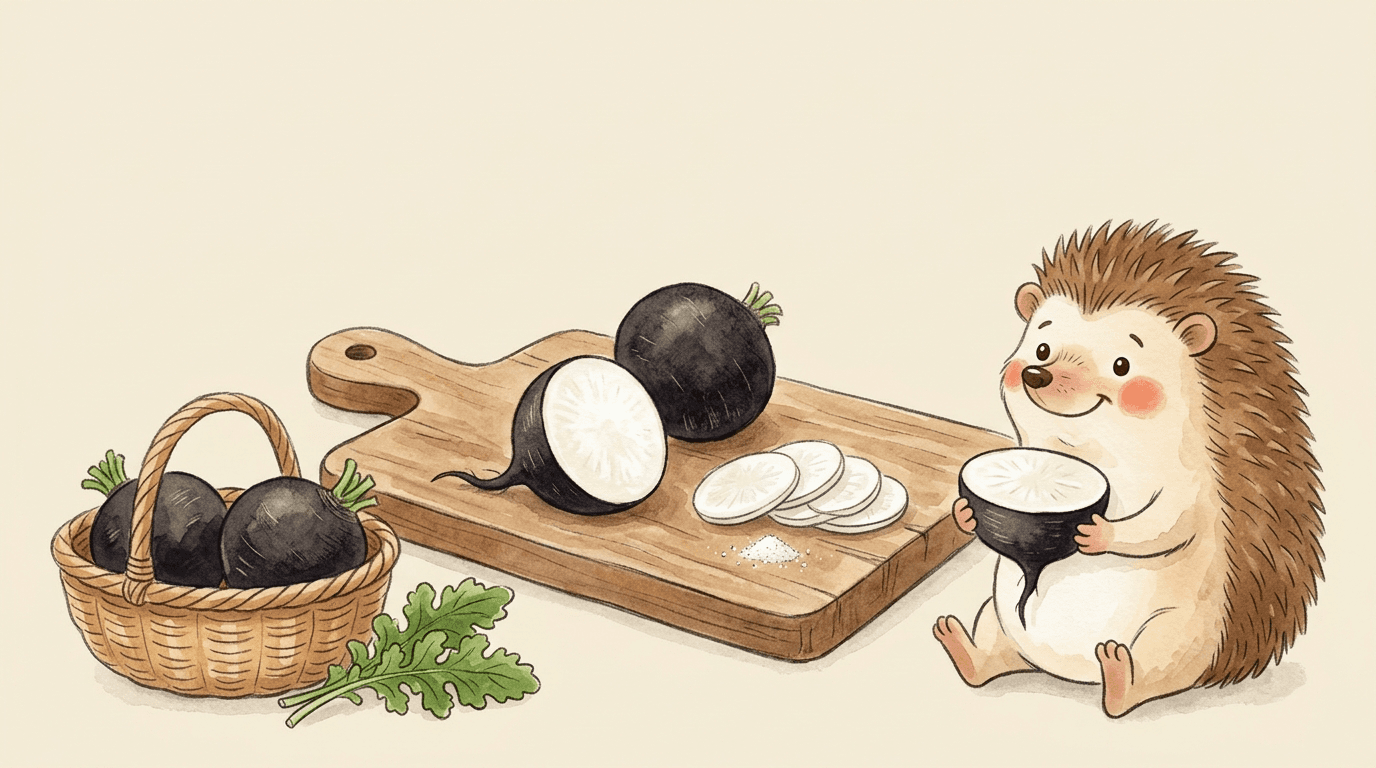
Black radish: why you should let it rest before you bite in
Last year Frau Schneider bit straight into one, unsalted, fresh out of the ground, and spent the next two minutes coughing instead of talking. The problem wasn't the radish. It was the timing.
October 14, 2026 · 2 min read
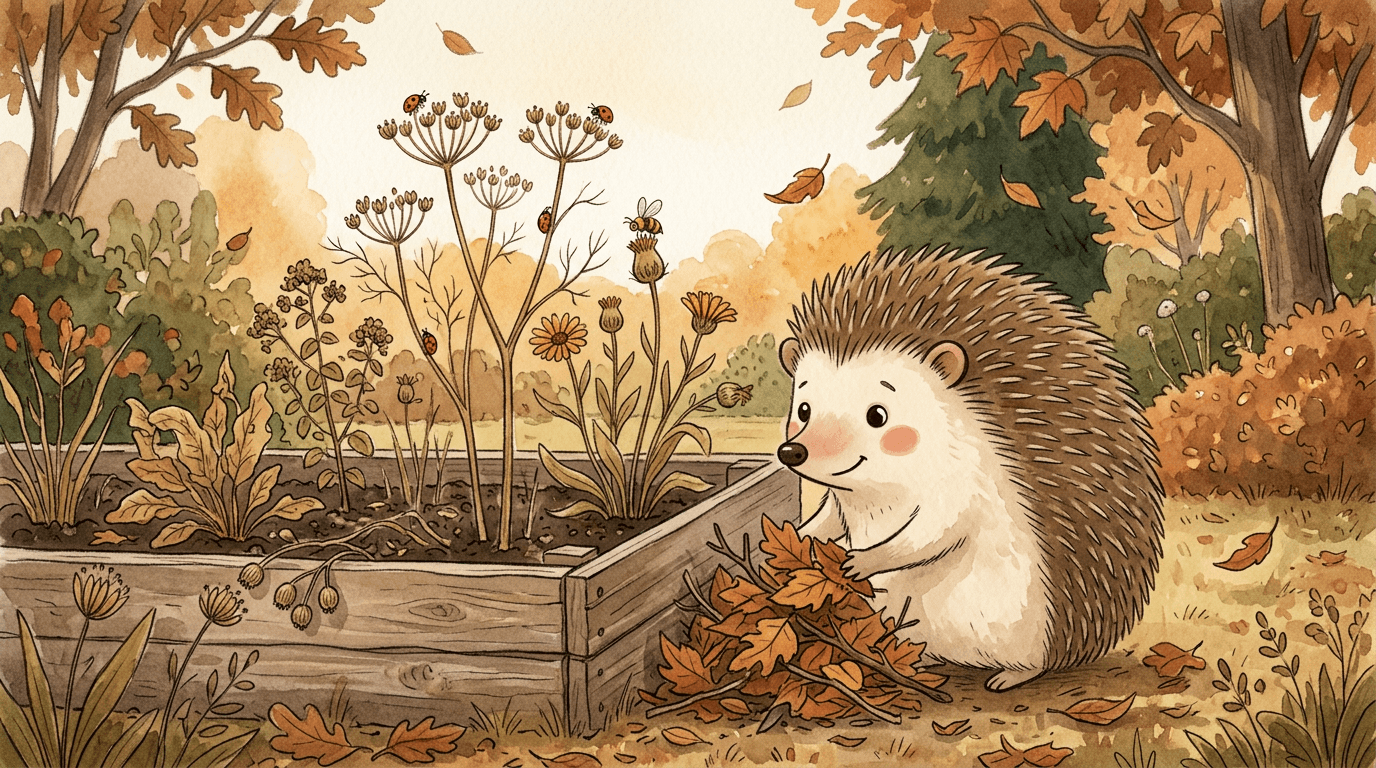
Why I only tidy up half my raised bed in October
Mr Zimmermann cut his entire raised bed down to the ground in one afternoon — stalks, seed heads, leaves, all gone. I should have warned him beforehand: not everything, only half. Here's what should stay standing and what really needs to go.