June 19, 2026 · by Stachi · 2 min read
Aphids in the raised bed: what really helps in June — and why I don't spray anymore
First it's a few, then they sit in dense colonies on the shoot tips. Aphids are part of June. What works without poison, what's a waste of money, and who does the work for free.
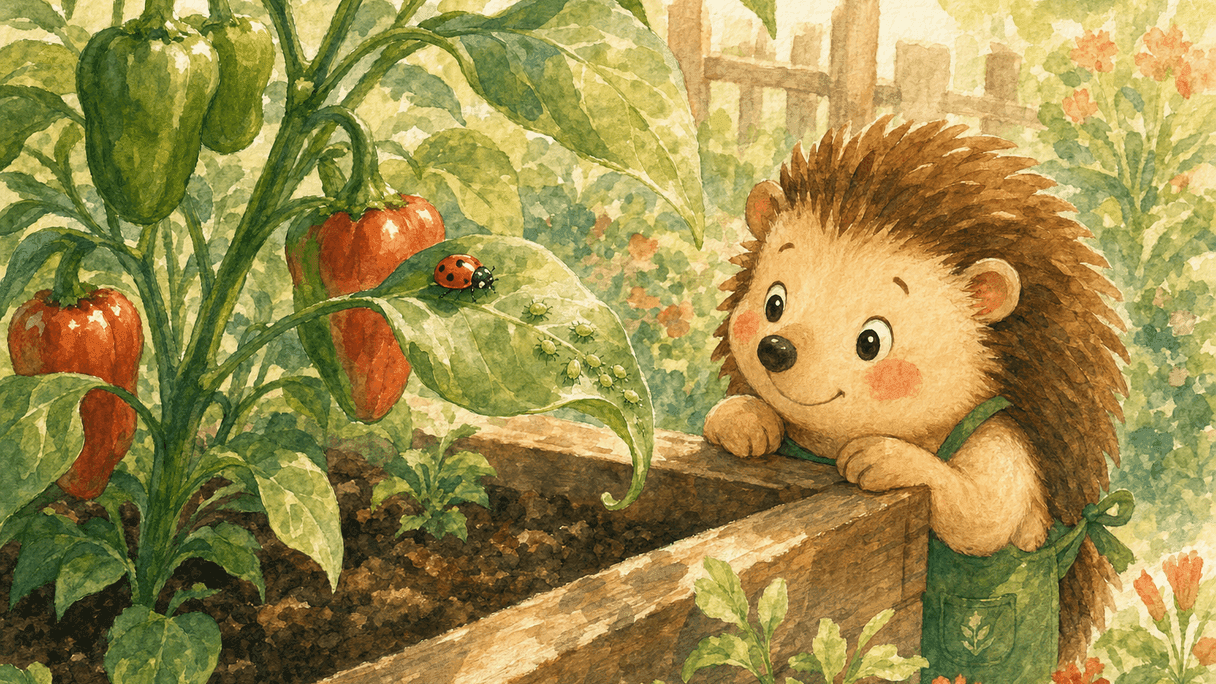
The first time I saw aphids on my pepper, I went to the hardware store and got a spray bottle. Expensive, kills everything, smelled very toxic. I sprayed, the aphids were gone, and two weeks later they were back. This time without the ladybirds, which I'd poisoned along with them.
Since then I do it differently. And I have fewer aphids.
Look first, don't act straight away
A few aphids aren't an emergency. They mostly sit on the soft shoot tips and the undersides of leaves. As long as it's just a few, leave them. They're the food that lures the beneficial insects into your garden in the first place.
It gets serious when whole shoot tips are densely covered, leaves curl and everything glistens sticky. Then I act. Not before.
What works for me
In this order, from gentle to thorough:
- Hose them off with water. A sharp jet from the hose takes most of them down. On the ground they hardly climb back up. Repeat every few days.
- Strip them off with your fingers. Sounds gross, but it's the fastest on single shoots. Glove on, run over it, done.
- Soft-soap solution. A tablespoon of pure soft soap to a litre of water, sprayed onto the affected spots. The aphids stick fast, beneficial insects are largely spared. Don't use it in full sun.
What I don't do anymore: broad-spectrum poison. It hits the ladybirds harder than the aphids, because the aphids breed faster. You're breeding yourself next week's problem.
The helpers work for free
Ladybirds and their voracious larvae, lacewings, hoverflies: they eat aphids all day long. A single ladybird larva manages hundreds. My job is only to not drive them off and to offer them a few flowering plants.
A clump of flowering herbs like basil that you let flower, or a few flowers at the edge of the bed, bring the beneficial insects into the bed. That's the same idea as with companion planting. Different plants that protect each other. Which pairs go together is in my companion-planting table.
Ants are the warning sign
If conspicuously many ants are running up and down a shoot, look more closely. Ants milk aphids for their honeydew and even defend them against ladybirds. Lots of ants on a plant often means: there's an aphid colony here being protected right now.
Nitrogen in moderation
A hidden reason for heavy infestation: too much fertiliser. Over-fed plants make soft, juicy leaf, and that's exactly what aphids love. Go easy on the nitrogen and you've often already solved half the problem. More on how much of a top-up summer vegetables really need is in feeding in June.
What Erntezeit does about it
I tell you which plants in your bed are especially aphid-prone and which neighbours work as protection. And I remind you to check the shoot tips regularly in June, while an infestation is still small. Free for one bed.
My pepper has aphids this year too. And since the day before yesterday, three ladybirds taking care of it. I just watch now.
🦔 Stachi
Related plants


More articles
October 26, 2026 · 3 min read
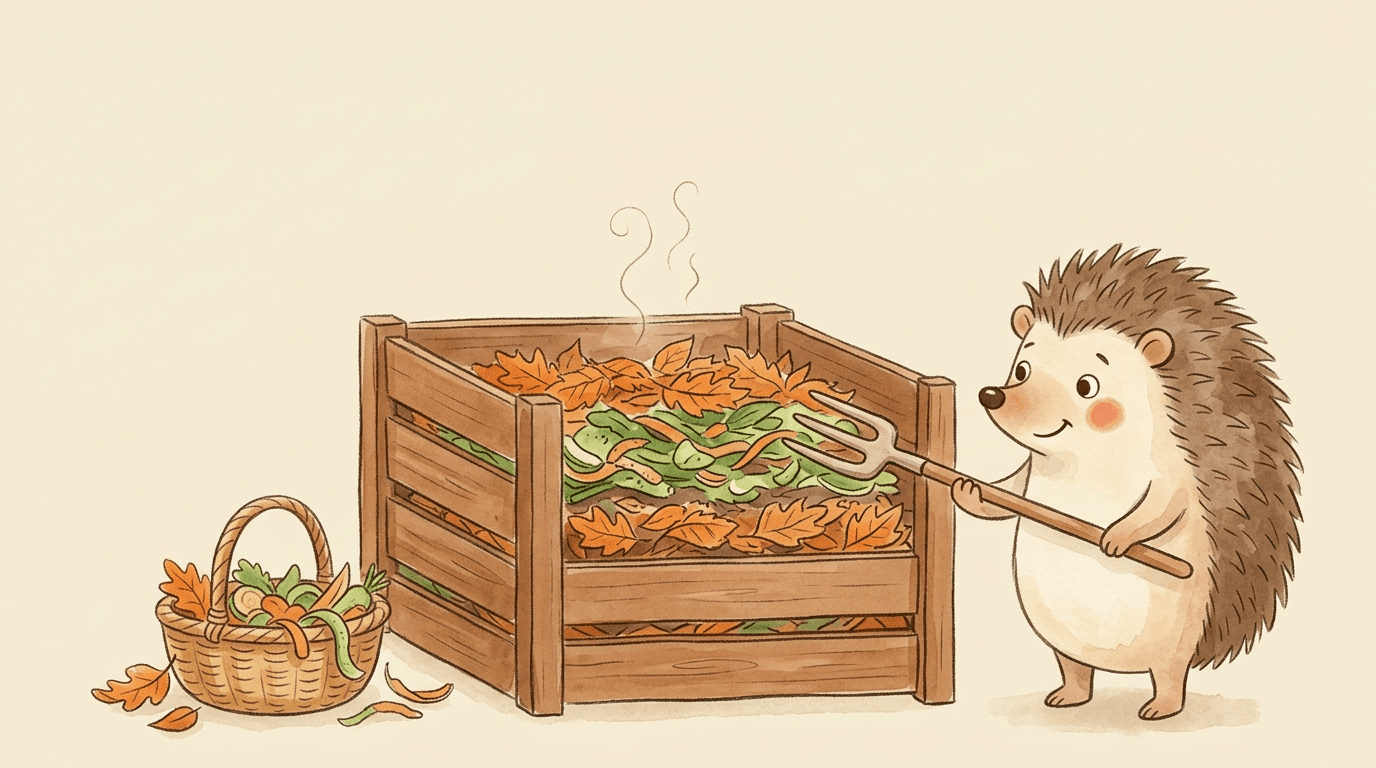
Starting an autumn compost pile: 3 parts leaves, 1 part kitchen scraps
Frau Schneider's compost pile just sat there all winter. No steam on cold mornings, no warmth, no breakdown — just a heap of dry leaves that hadn't changed a bit by March. The problem wasn't patience. It was the mix.
October 20, 2026 · 3 min read
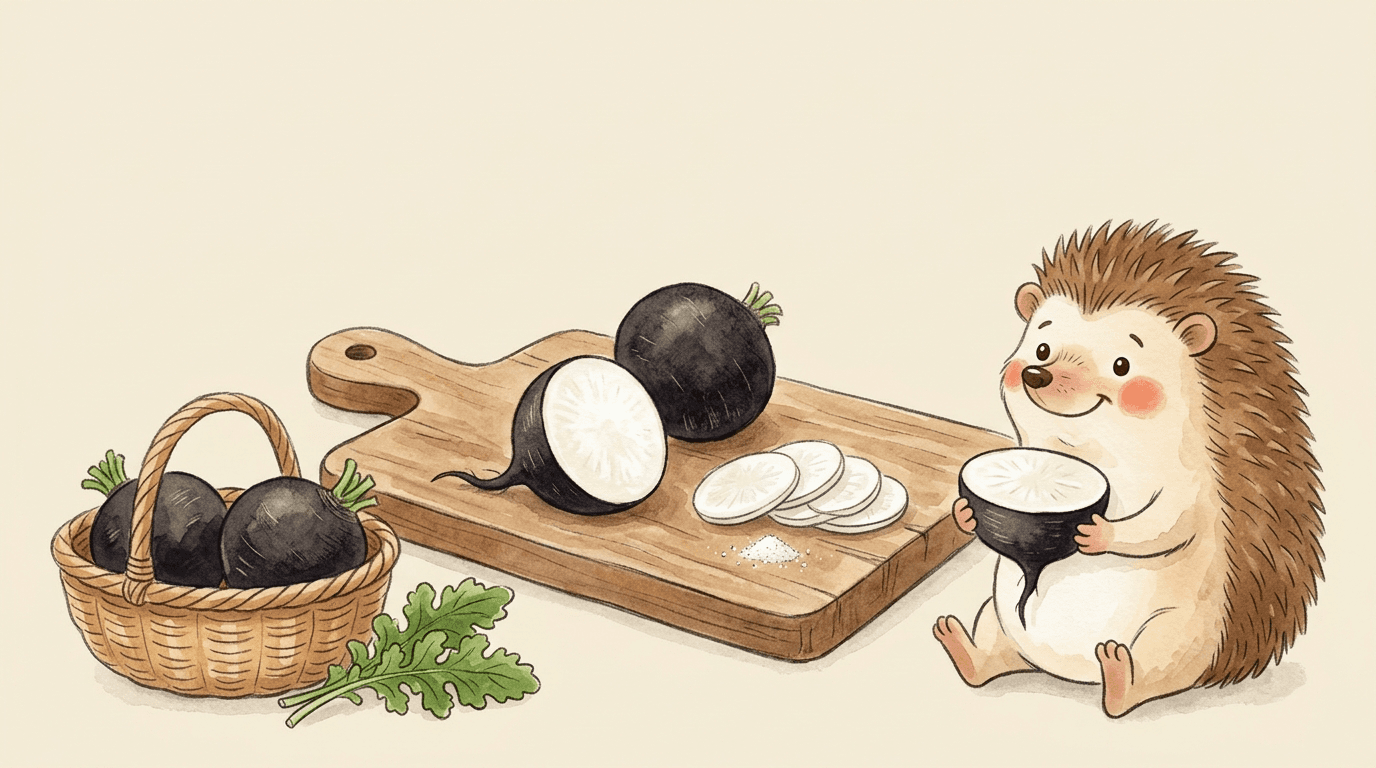
Black radish: why you should let it rest before you bite in
Last year Frau Schneider bit straight into one, unsalted, fresh out of the ground, and spent the next two minutes coughing instead of talking. The problem wasn't the radish. It was the timing.
October 14, 2026 · 2 min read
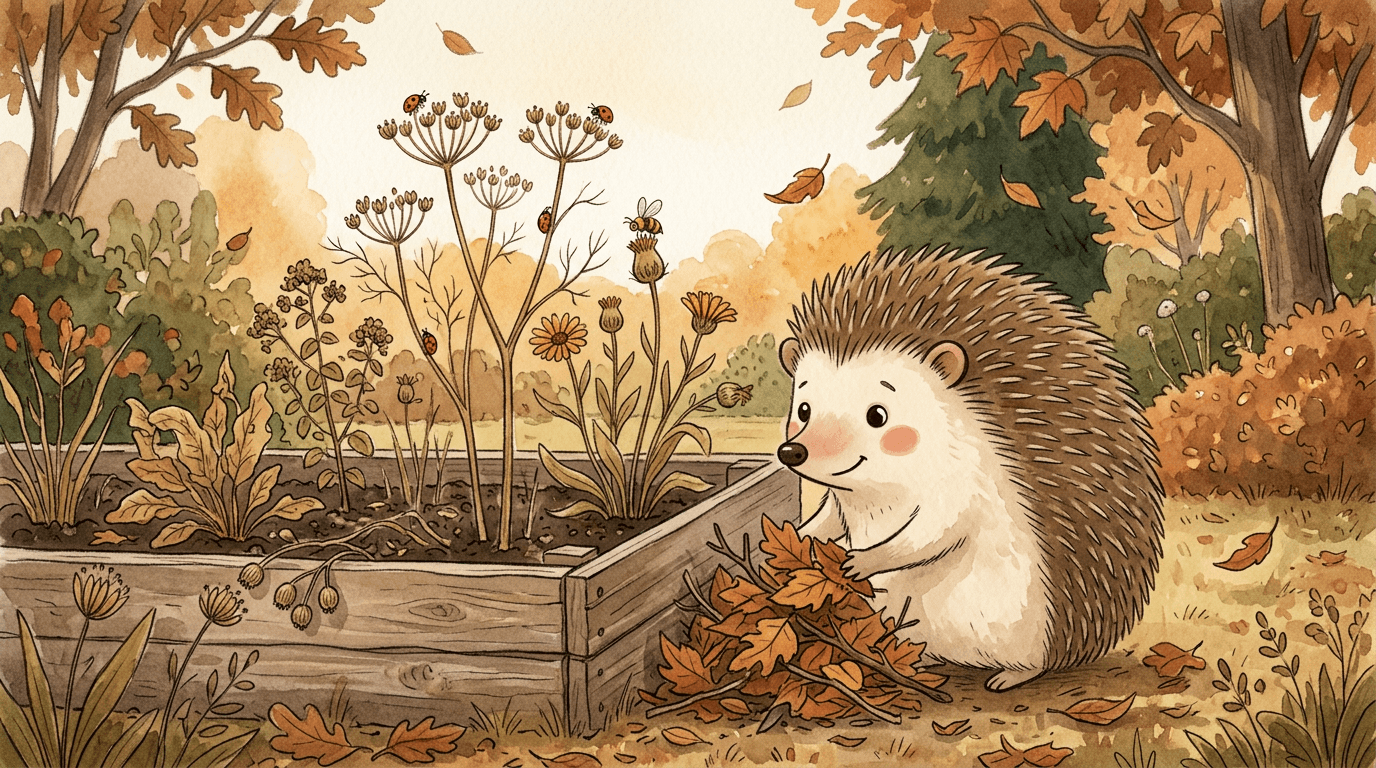
Why I only tidy up half my raised bed in October
Mr Zimmermann cut his entire raised bed down to the ground in one afternoon — stalks, seed heads, leaves, all gone. I should have warned him beforehand: not everything, only half. Here's what should stay standing and what really needs to go.