September 6, 2026 · by Stachi · 3 min read
Planting shallots in autumn: the small bulb that earns its keep
Shallots are probably the most overlooked autumn task in the raised bed. Plant now, harvest next July — with barely any effort and no green thumb required.

Mrs Schneider made a mistake last year that a lot of people make: she waited. In September her bed was half empty, the summer crops were out, the space was there — and she thought she'd get to it next week. Next week became October. October became "it's probably too cold now anyway."
In July she asked me: "Why can't I find fresh home-grown shallots anywhere?"
Because you have to plant them in September. Right now.
What makes shallots so special
Shallots aren't some chef's delicacy that takes special skill to grow. They're simply the most flavourful allium you can grow in a raised bed. Finer than onions, milder than garlic, more versatile than either.
And here's the best part: they do most of the work themselves. You push a small set bulb into the soil in autumn, mulch it lightly, forget about it over winter — and in July you pull out six to eight daughter bulbs. One becomes a small dozen.
Minimal effort. Generous harvest.
When and where to plant
The window: Mid-September to early October. In the Swiss Midlands, you can push this to around 10 October. Planting now, in early September, gives the sets time to put down roots before winter sets in — that's a good thing.
Too late is worse than too early. Sets that haven't rooted before the first hard frost will heave out of the soil.
The spot: Sunny to semi-shaded, well-drained soil. Raised beds already have good drainage built in — a real advantage over heavy garden soils where waterlogging will rot the bulbs over winter.
Spacing: 15 to 20 cm between sets. Shallots need more room than you'd think, because every single set produces a whole cluster of daughter bulbs.
How to plant them
You buy shallot sets as small dried bulbs — or better still, keep some back from last year's harvest. If you already grow shallots, just set aside the smallest bulbs in July. Those go back into the ground in autumn.
Three steps:
- Loosen the soil 5 to 8 cm deep — no need to dig deeply
- Press the sets in, pointed end up, so the top third is still showing above the soil
- Firm gently — done
No fertiliser. No watering after planting unless it's very dry. Shallots like it lean. What they hate: waterlogging and being planted too deep.
If you like: a thin layer of mulch on top. It protects against hard frosts and keeps the soil friable.
Winter won't bother them
Shallots are frost-hardy. Once rooted, they handle temperatures down to minus 15°C without a problem. The green shoots you might see in October will die back in the cold — that's completely normal. They'll regrow in March.
So there's nothing special you need to do. No fleece, no cover, no check-ins. Just leave them alone.
What I do: one look in October to make sure the sets are still in place. Sparrows sometimes peck them out. If they have, just push them back in.
That's the whole job.
Good neighbours for shallots
In a raised bed, shallots get along well with:
- Corn salad (lamb's lettuce) — low-growing, doesn't compete, comes out in spring before the shallots need the space
- Spinach, sown now alongside the sets and harvested before shallots need room
- Garlic — same planting time, same spacing, they coexist happily and use the bed efficiently
What to avoid near shallots: brassicas and leeks. No particular conflict, but no synergy either — and leeks need more depth.
What Mrs Schneider is doing this year
She's planting shallots. Twenty sets, on the south side of her raised bed, next to the garlic she planted last week. Corn salad in between.
In July she'll know exactly why you do this in September.
And I'm looking forward to seeing the photo.
🦔 Stachi
Products mentioned in this post
- Plantura organic tomato seed set (10 varieties)Open-pollinated, good germination — robust for raised beds.
- Organic tomato seed set, 14 varieties
- Organic heirloom tomato seed set (Demeter, 12 varieties)
- Organic vegetable seed set, 10 varietiesCucumber, tomato, beetroot, broccoli, carrot, chard & more.
Related plants


More articles
October 26, 2026 · 3 min read
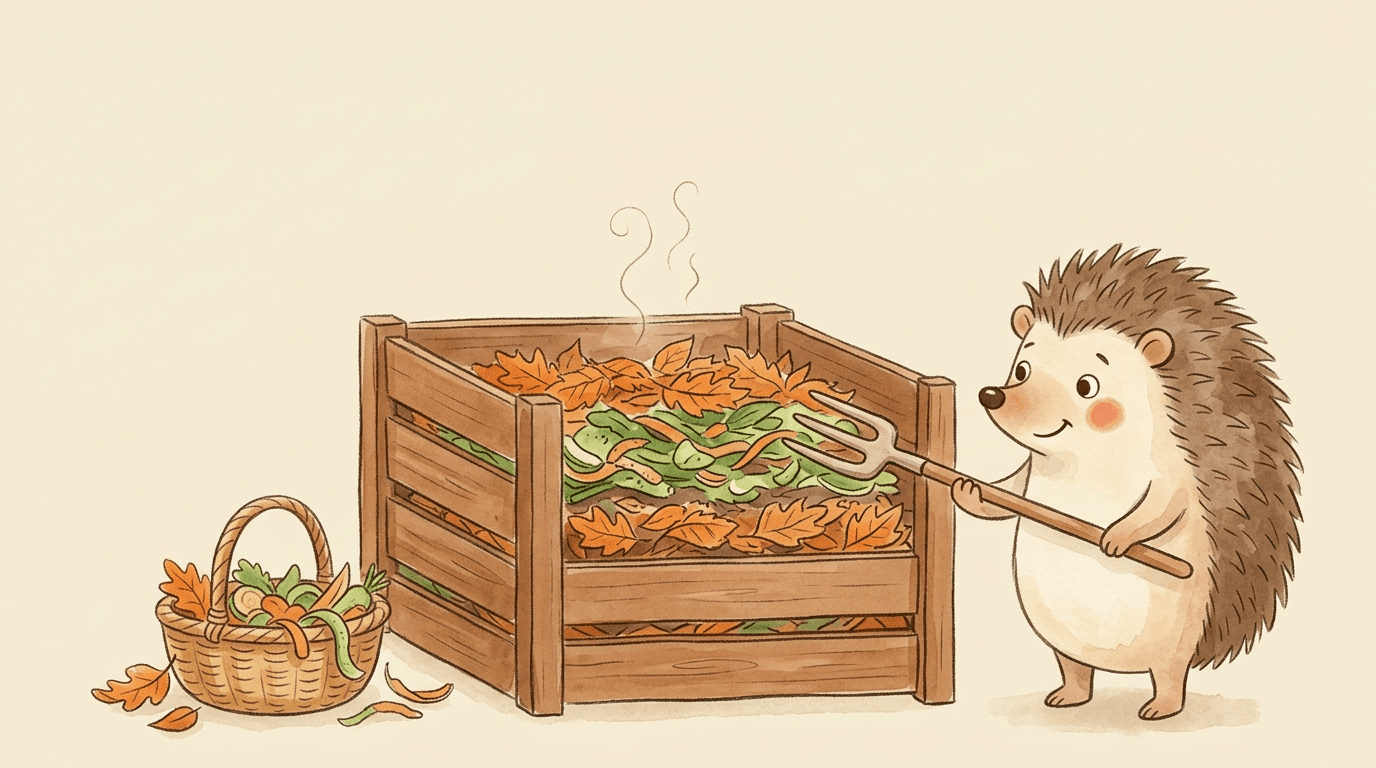
Starting an autumn compost pile: 3 parts leaves, 1 part kitchen scraps
Frau Schneider's compost pile just sat there all winter. No steam on cold mornings, no warmth, no breakdown — just a heap of dry leaves that hadn't changed a bit by March. The problem wasn't patience. It was the mix.
October 20, 2026 · 3 min read
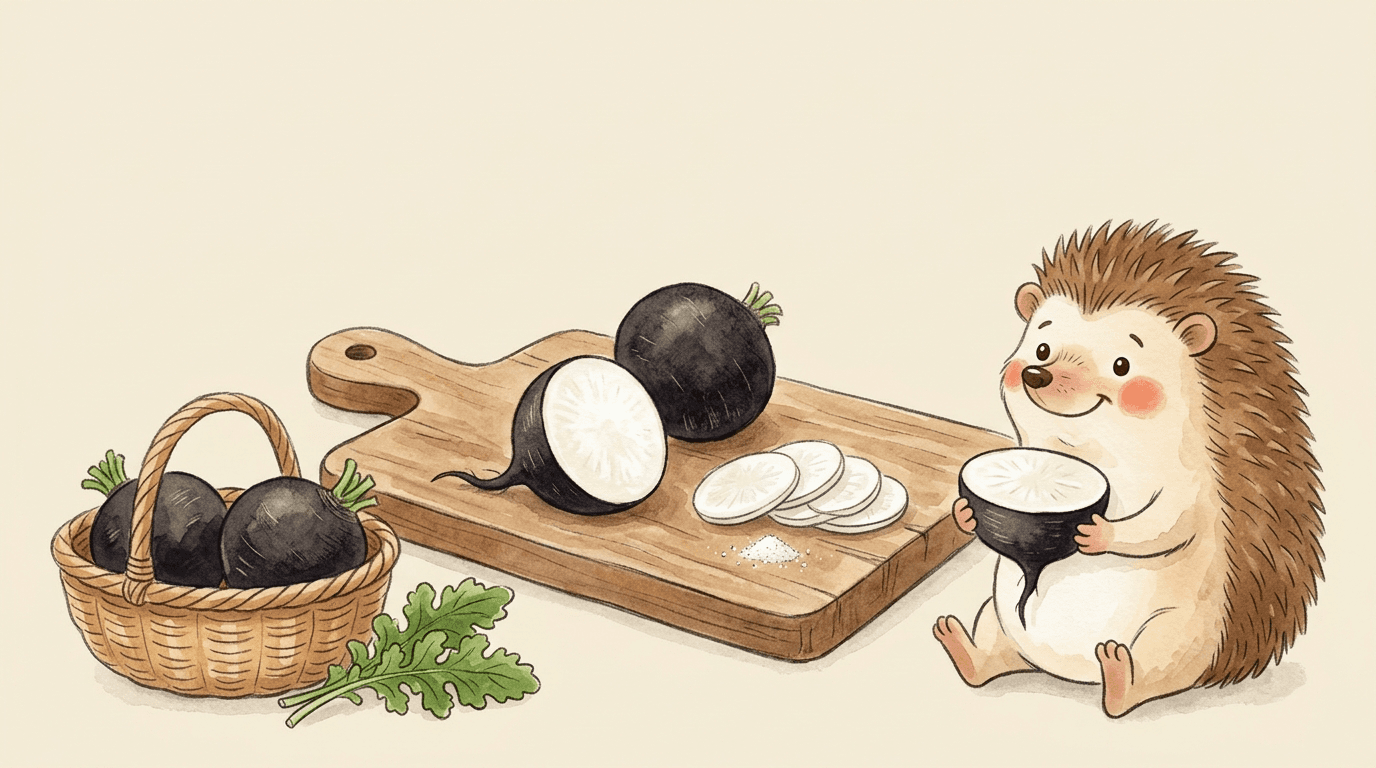
Black radish: why you should let it rest before you bite in
Last year Frau Schneider bit straight into one, unsalted, fresh out of the ground, and spent the next two minutes coughing instead of talking. The problem wasn't the radish. It was the timing.
October 14, 2026 · 2 min read
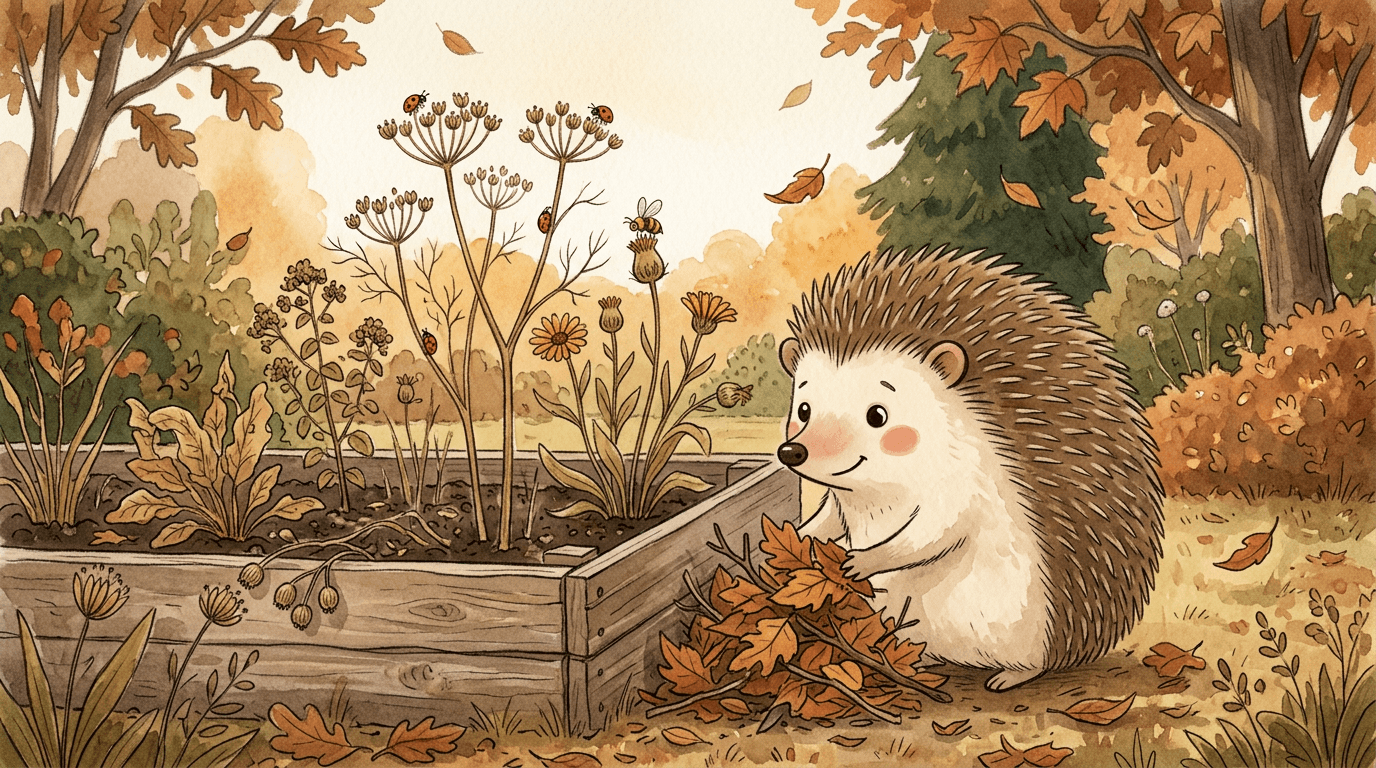
Why I only tidy up half my raised bed in October
Mr Zimmermann cut his entire raised bed down to the ground in one afternoon — stalks, seed heads, leaves, all gone. I should have warned him beforehand: not everything, only half. Here's what should stay standing and what really needs to go.