July 8, 2026 · by Stachi · 3 min read
Heavy, medium and light feeders: the nutrient table for your raised bed
Some plants eat a lot, some almost nothing. Knowing which is which lets you spread your bed's strength across the years — and stops you planting two hungry crops on the same spot two years running. The table plus the crop-rotation logic behind it.

Frau Schneider, my neighbour here in Berikon, grew tomatoes in the same corner of her raised bed two years in a row. First year: glorious. Second year: half the crop, pale, puny. She dumped 30 francs of fresh compost in and figured she'd got the watering wrong. She hadn't. The corner was simply eaten bare.
That's not a disease and it's not bad luck. It's feeder logic, and luckily it's easy to learn.
What "feeder" actually means
Gardeners sort vegetables into three groups depending on how much they pull out of the soil. In German garden lore these are the Zehrer — the eaters:
- Heavy feeders (Starkzehrer) — the big eaters. Fast growth, lots of leaf, lots of fruit. Tomato, zucchini and pumpkin are the classics.
- Medium feeders (Mittelzehrer) — the solid middle. They want something, but they don't overdo it.
- Light feeders (Schwachzehrer) — the modest ones. They get by on little, ideal for year three when the soil is already tired.
The table
Around 25 common crops, sorted by appetite. Print it, pin it to the shed, done:
| Heavy feeders (Starkzehrer) | Medium feeders (Mittelzehrer) | Light feeders (Schwachzehrer) |
|---|---|---|
| Tomato | Lettuce | Radish |
| Zucchini | Chard | Pea |
| Cucumber | Kohlrabi | Bean |
| Pumpkin | Fennel | Lamb's lettuce |
| Pepper | Onion | Rocket |
| Aubergine | Carrot | Herbs (parsley, dill, thyme) |
| Cabbage & broccoli | Beetroot | Garlic |
| Potato | Spinach | Cress |
| Celeriac | Pak choi | |
| Leek | Red beet |
The lines aren't set in stone — a well-fed carrot forgives the odd heavy-feeder neighbour. But as a rule of thumb for planning, the table holds up.
Why this matters for crop rotation
Here the table turns from nice to useful. A raised bed is brimming with strength in its first year — freshly filled, everything in it. How that fill is built up is in Filling a raised bed: the layers. That strength runs down year after year. The clever order:
- Year 1: heavy feeders. The fresh soil can take a lot, so give the hungry ones the front seat — tomato, zucchini, pumpkin.
- Year 2: medium feeders. Lettuce, onion, carrot. They take what's left without complaining.
- Year 3: light feeders and legumes. Radish, herbs — and above all beans and peas.
Frau Schneider's mistake was the exact opposite: heavy feeder on heavy feeder, same spot, second year. The second round finds nothing and disappoints. Two big eaters back to back on the same patch almost always goes wrong.
Beans and peas are the repair crew
The nicest trick, saved for last. Beans and peas aren't just modest — they actually give something back. Their roots carry little nodules full of bacteria that pull nitrogen out of the air and put it into the soil. So they fertilise for free while they grow.
That's why they sit at the end of the rotation: they patch the ground up for the next round of heavy feeders. When I've got a tired patch of bed, in goes a season of beans, and the year after everything grows there again.
What beans and peas don't replace is targeted feeding mid-season, when a heavy feeder runs hungry. When that becomes necessary and how you spot it, I've written up in Feeding in June.
What Erntezeit does with this
You don't have to memorise any of it. You tell me what you want in your bed, and I sort the feeders in the background — which crops compete for nutrients, and in what order across the years they cause the least trouble. When you plan again next year, I still remember what stood where, and I suggest the rotation that fits. Free for one bed.
Frau Schneider's tomato corner, by the way, is a bean patch this year. Next year she'll wonder how the soil got so good again.
🦔 Stachi
Related plants


More articles
October 26, 2026 · 3 min read
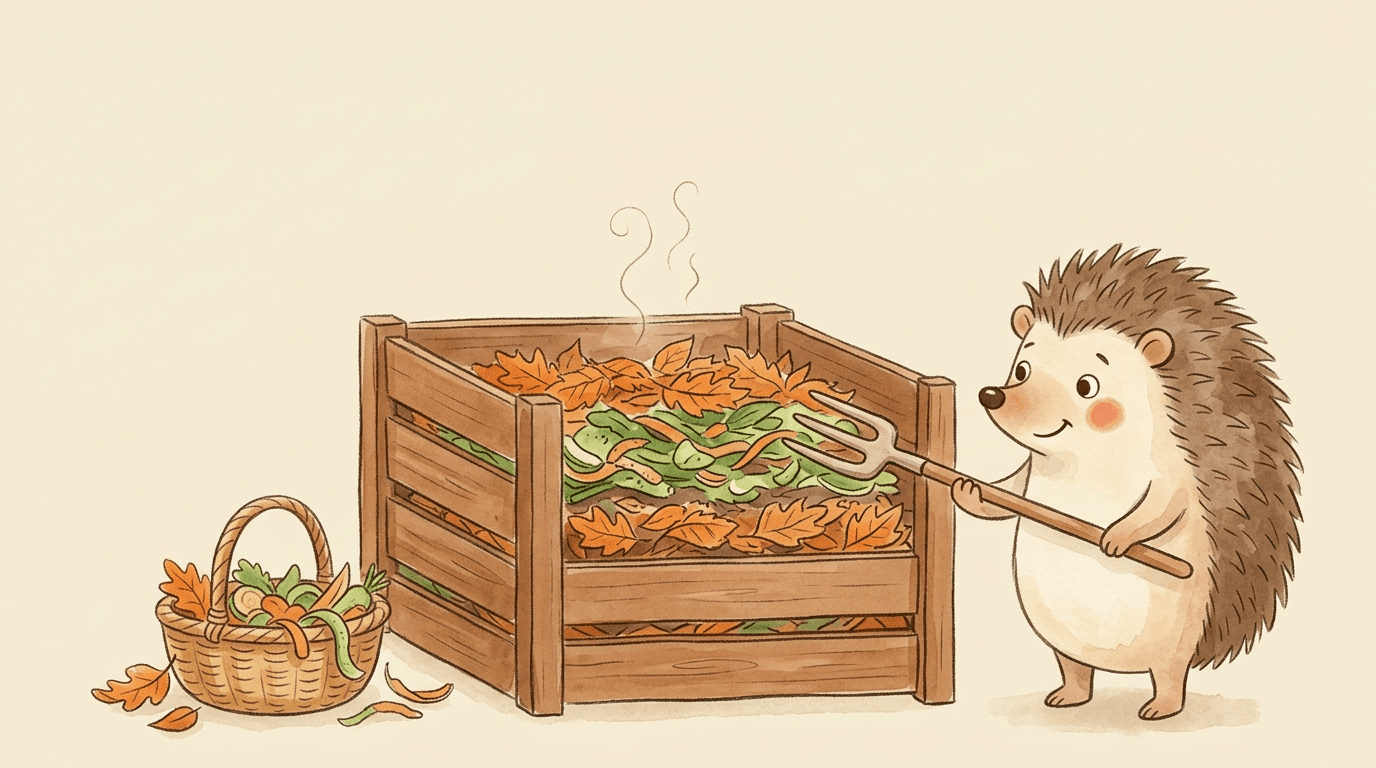
Starting an autumn compost pile: 3 parts leaves, 1 part kitchen scraps
Frau Schneider's compost pile just sat there all winter. No steam on cold mornings, no warmth, no breakdown — just a heap of dry leaves that hadn't changed a bit by March. The problem wasn't patience. It was the mix.
October 20, 2026 · 3 min read
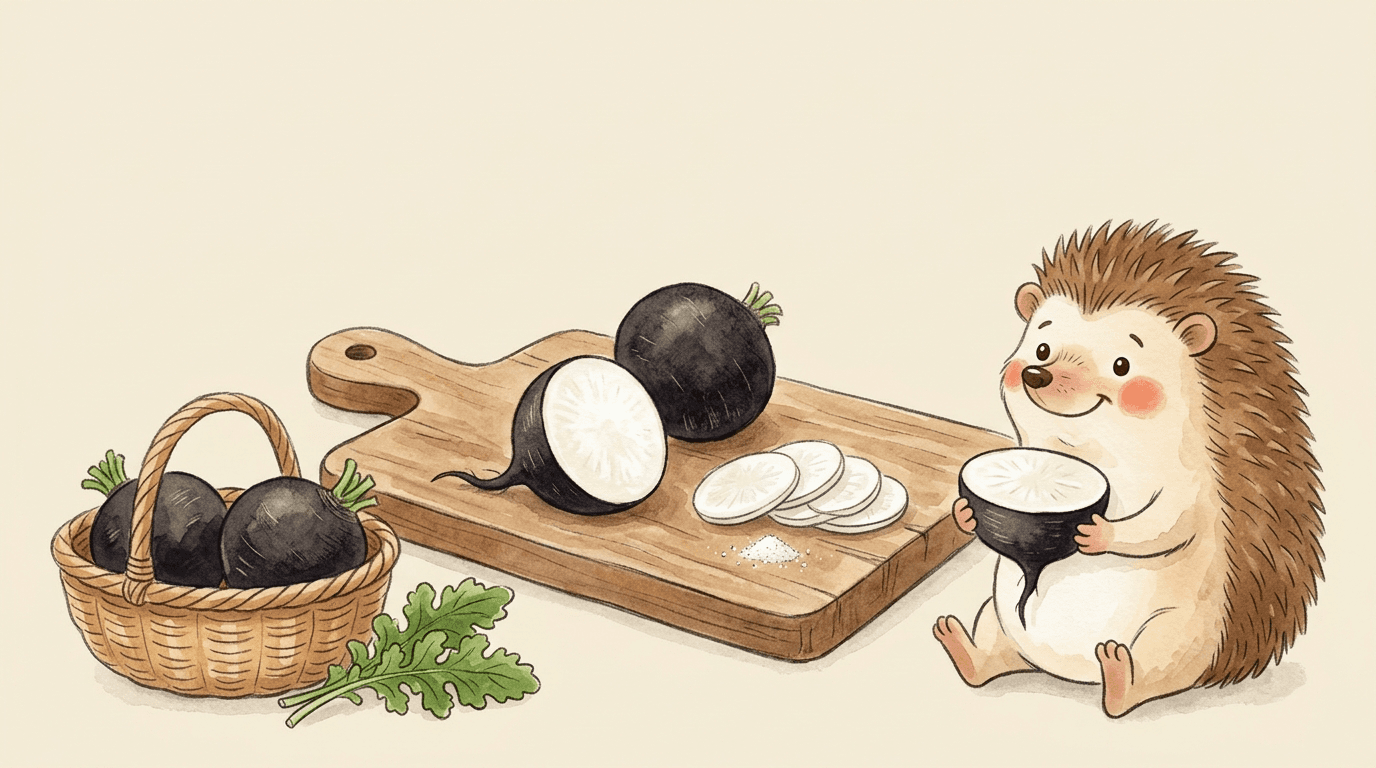
Black radish: why you should let it rest before you bite in
Last year Frau Schneider bit straight into one, unsalted, fresh out of the ground, and spent the next two minutes coughing instead of talking. The problem wasn't the radish. It was the timing.
October 14, 2026 · 2 min read
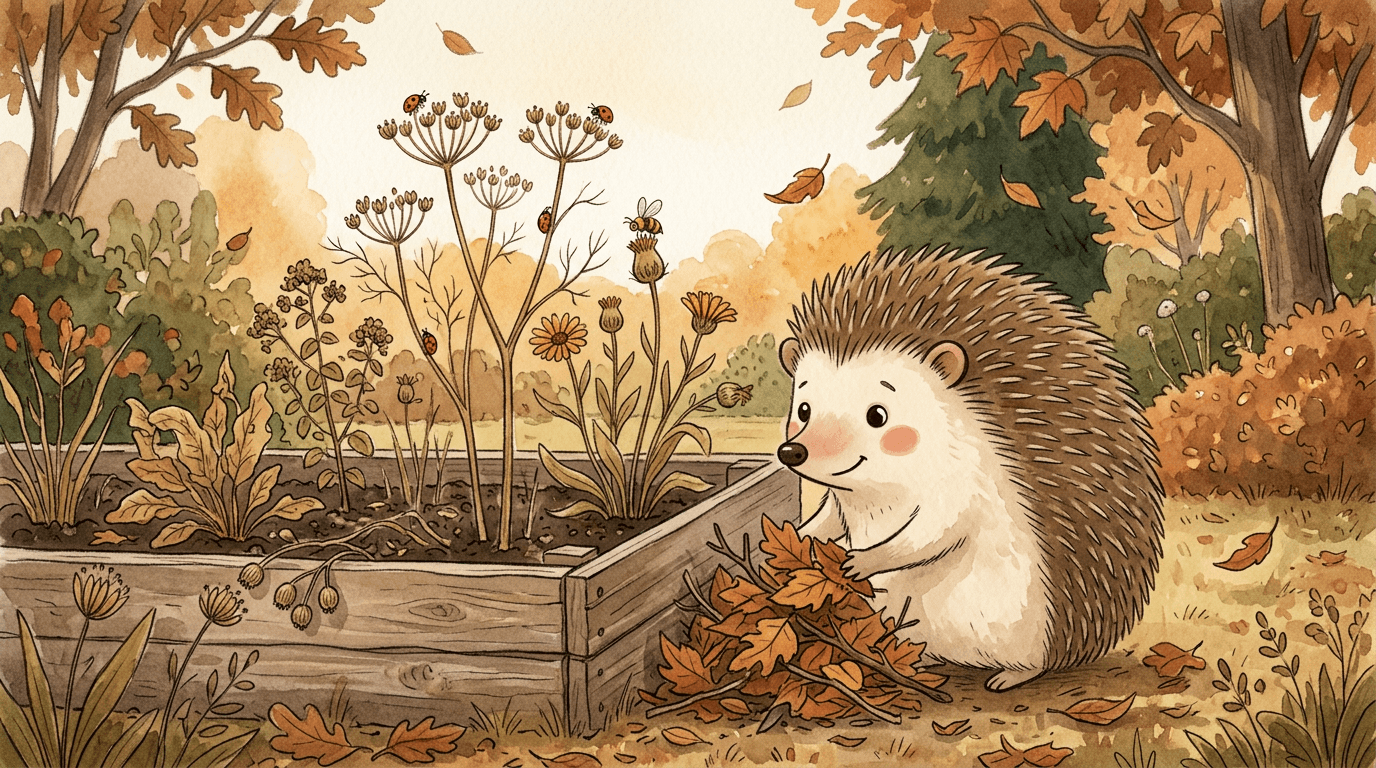
Why I only tidy up half my raised bed in October
Mr Zimmermann cut his entire raised bed down to the ground in one afternoon — stalks, seed heads, leaves, all gone. I should have warned him beforehand: not everything, only half. Here's what should stay standing and what really needs to go.