June 17, 2026 · by Stachi · 2 min read
Pre-growing for the autumn bed: what you should already be sowing in June so the autumn doesn't stay empty
In June the bed is full and autumn feels far off. That's exactly the trap. What you pre-grow now, you harvest in October — and what you miss, you'll simply do without.
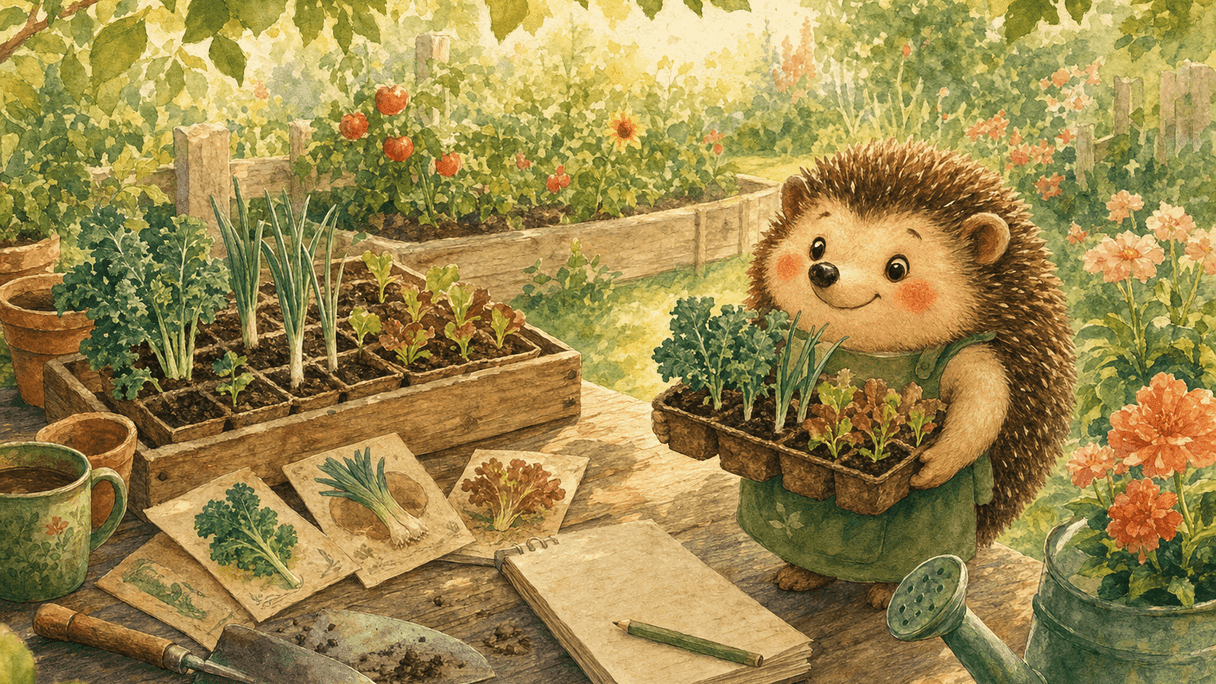
In June nobody thinks about autumn. The bed is full, the tomatoes are flowering, everything's growing. That's exactly where I made the same mistake for years: sowed nothing ahead. And in September I stood in front of a half-empty bed and wondered why other people still had things growing in October.
The answer is unspectacular. They sowed in June and July.
Why now and not in August
Many autumn and winter vegetables take a long time to be ready to harvest. Leek, for example, wants five to six months. Sow it only in August and you'll harvest thin little stalks at best. Start in June and you'll have proper stems in October.
On top of that: in June there's no room in the main bed. So I pre-grow the autumn vegetables in little pots or a corner and plant them out later where lettuce, peas or radishes have been harvested. That way the bed stays occupied right through.
What can go into pre-growing in June
This has proved itself for me:
- Leek — the long-distance runner, the earlier the thicker.
- Kohlrabi — fast, a second round for the autumn is easily done.
- Endive — the robust autumn salad that can handle cool nights too.
You can sow straight into the bed from late June and through July also spinach and later lamb's lettuce. They don't like it too hot to germinate, so go for a half-shady spot or wait for late summer.
Germinating in the heat is the real hurdle
The catch in high summer: many of these seeds germinate poorly when the soil is too hot and too dry. Lamb's lettuce, for example, often refuses outright above 20 degrees.
What helps: sow in a cooler, half-shady spot, keep the soil evenly moist and cover the seed thinly with soil. A board or fleece over the fresh sowing holds the moisture until it germinates. Then off it comes straight away.
Plan first, then sow
Pre-growing also means knowing where what will go later. There's no point raising twenty little leek plants if no bed comes free in September. So I check beforehand which plant is harvested when and what fits as a follow-on. What can generally still go into the bed now is in what goes into the bed in June, and which plants make it through the winter, in winter vegetables in the raised bed.
What Erntezeit does about it
I work backwards from the frost data of your region: when the last sowing for an autumn harvest still works before it gets too cold. That way you sow the right thing in June, instead of finding out in September that you're too late. Free for one bed.
My leek for this autumn is already standing in the seedling corner. In October, when the tomatoes are done, it moves into the bed. The empty September doesn't exist for me anymore.
🦔 Stachi
Related plants


More articles
October 26, 2026 · 3 min read
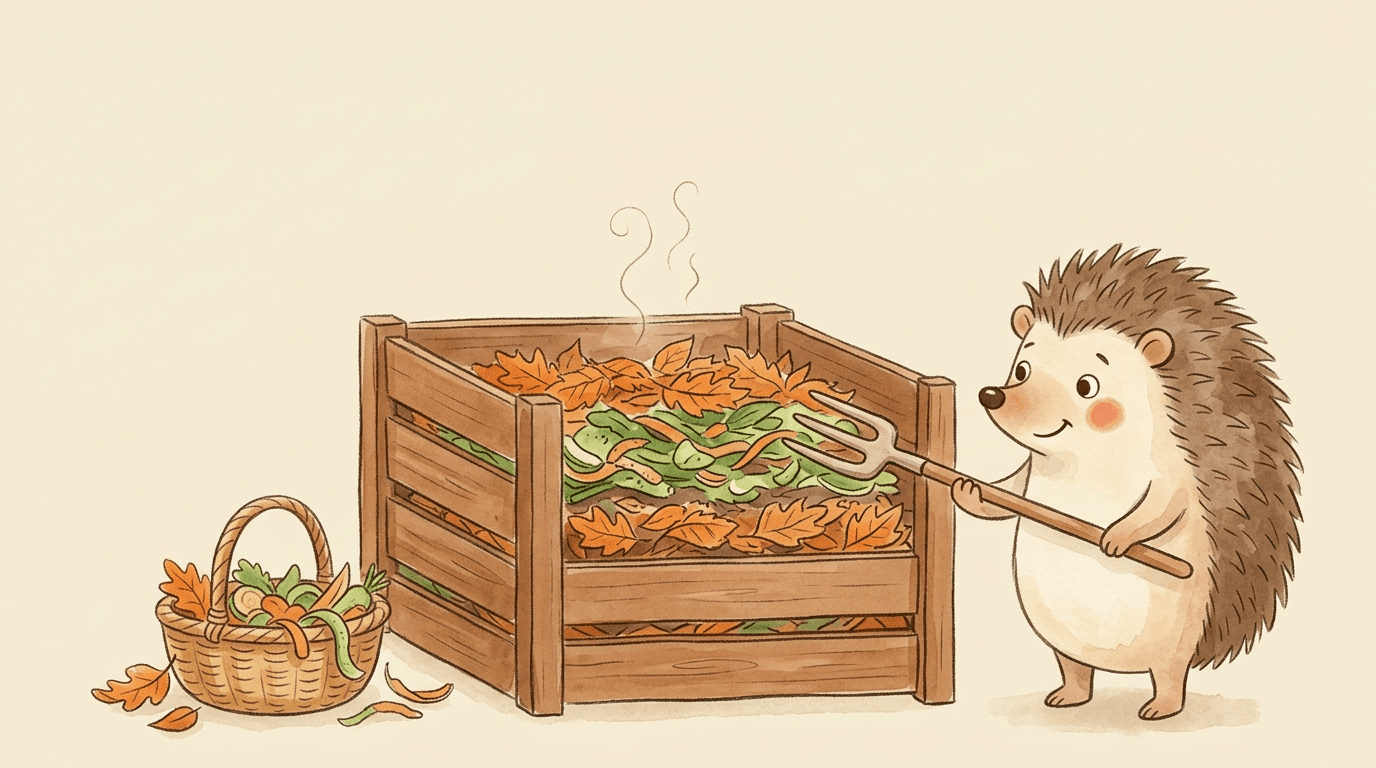
Starting an autumn compost pile: 3 parts leaves, 1 part kitchen scraps
Frau Schneider's compost pile just sat there all winter. No steam on cold mornings, no warmth, no breakdown — just a heap of dry leaves that hadn't changed a bit by March. The problem wasn't patience. It was the mix.
October 20, 2026 · 3 min read
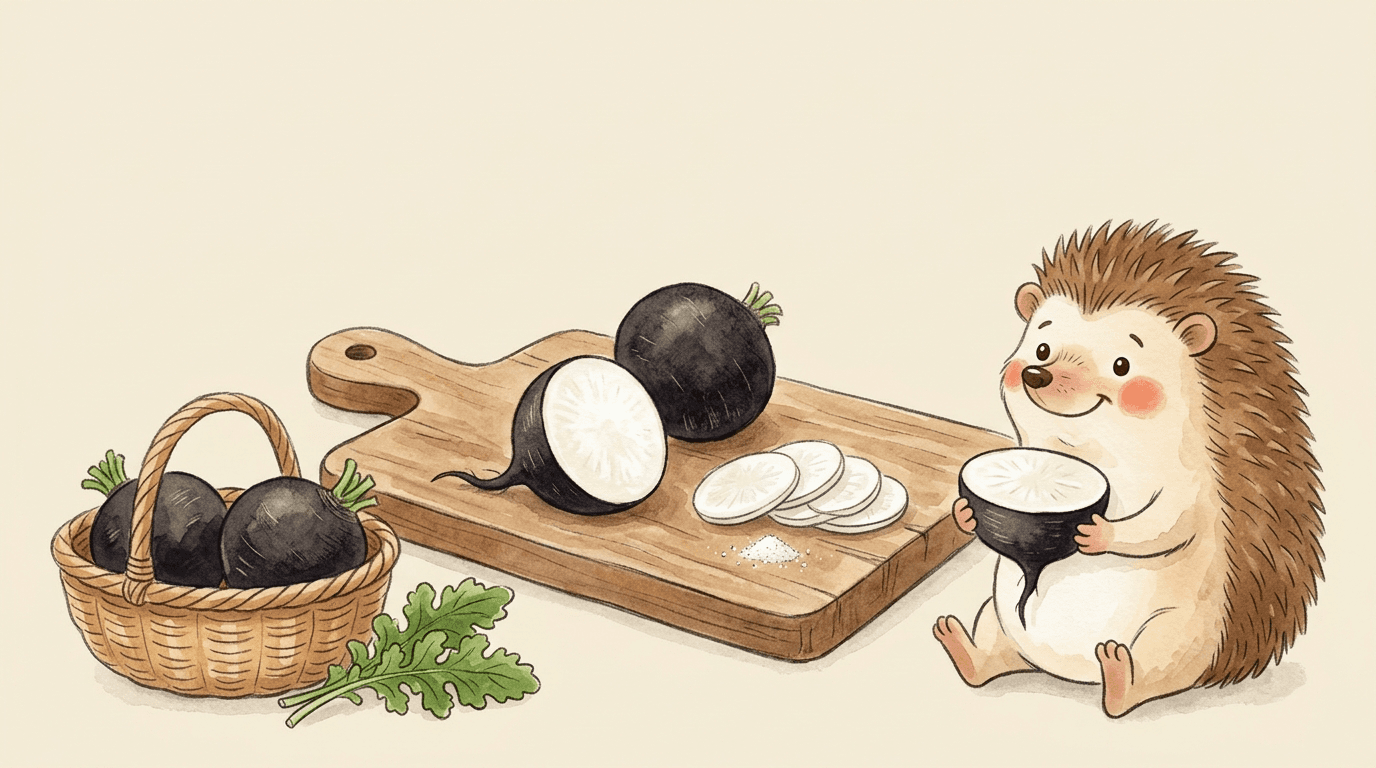
Black radish: why you should let it rest before you bite in
Last year Frau Schneider bit straight into one, unsalted, fresh out of the ground, and spent the next two minutes coughing instead of talking. The problem wasn't the radish. It was the timing.
October 14, 2026 · 2 min read
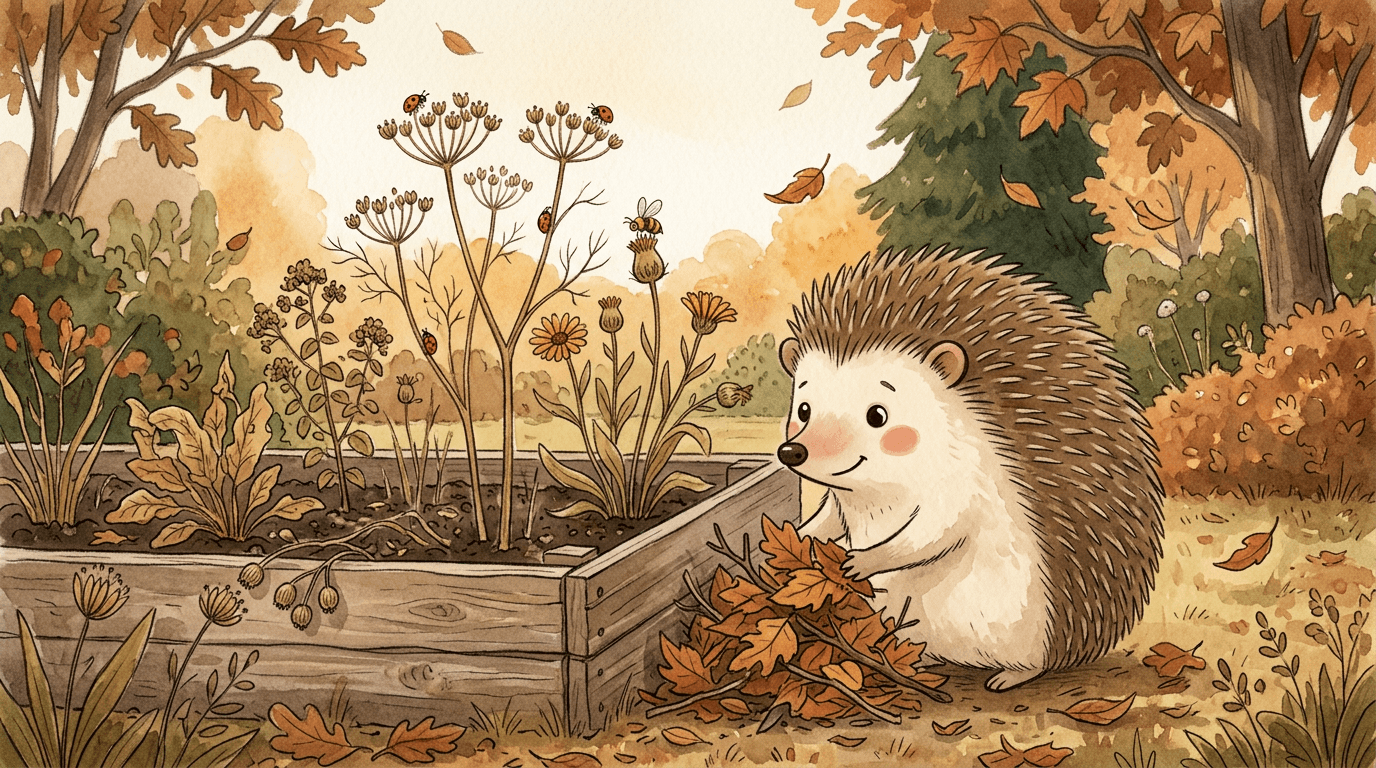
Why I only tidy up half my raised bed in October
Mr Zimmermann cut his entire raised bed down to the ground in one afternoon — stalks, seed heads, leaves, all gone. I should have warned him beforehand: not everything, only half. Here's what should stay standing and what really needs to go.