June 15, 2026 · by Stachi · 3 min read
What goes into the bed in June — and what's already too late
June isn't the final sprint, it's a second start. What you can still plant, what you sow directly, and which crop to skip because that ship has sailed.
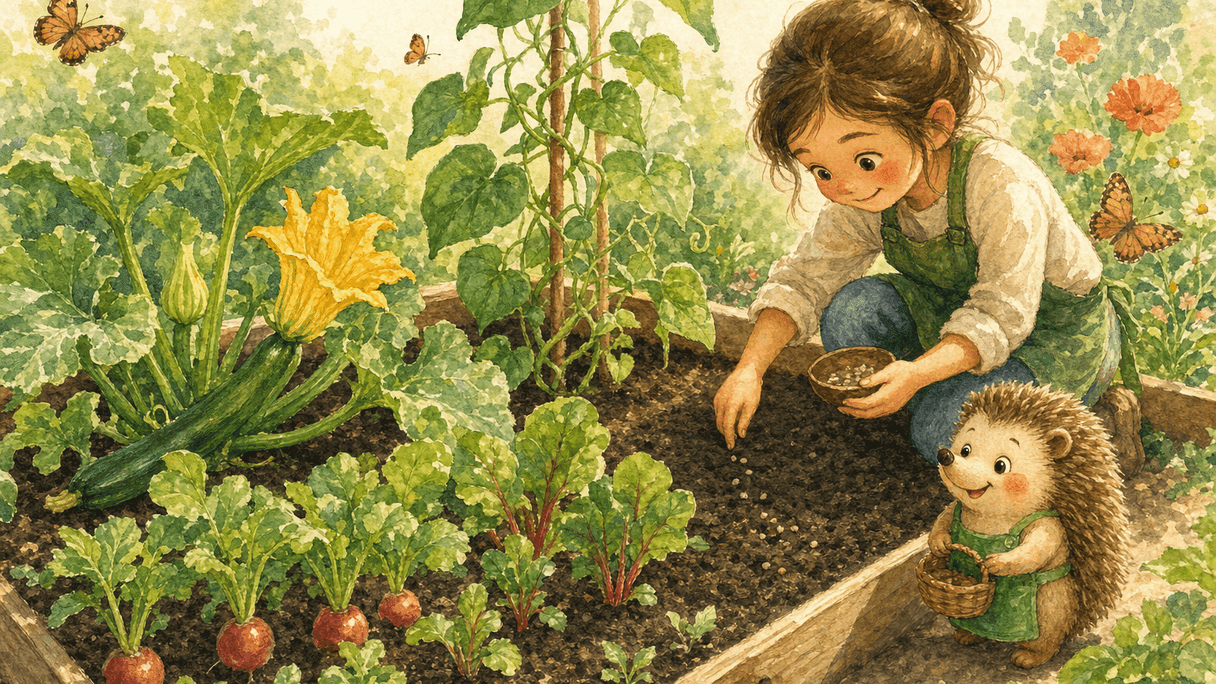
Mrs Schneider, my neighbour in Zürich-Affoltern, stood in front of her half-empty raised bed last June and was certain: too late. Everyone else's tomatoes were knee-high, her bed had two empty corners, and the season felt over.
It wasn't. She sowed bush beans into one corner and set a zucchini seedling into the other. In August she handed me a bag of beans over the fence and apologised for the zucchini, because there were simply too many.
June isn't the final sprint. It's a second start.
What can still go in as a seedling
The ice saints are past (the traditional mid-May late-frost benchmark in German-speaking regions), and the nights stay warm. The heat-lovers feel right at home now. If you've got space left, in they go:
- Zucchini — one plant feeds a whole household. Trust me, two is a punishment.
- Cucumber — give it a trellis and plenty of water, and it runs until September.
- Basil — right next to the tomatoes, they like each other. More on pairs like that in my companion-planting table.
Seedlings establish faster than seed — a real advantage in June, when you don't want to give away the weeks until harvest.
What you sow directly now
This is where June gets strong. The soil is warm, germination is quick, and much of it you'll still harvest before autumn:
- Bush beans — 8 to 10 weeks from seed to plate. Mrs Schneider's corner says hi.
- Radishes — four weeks, done. A gap-filler between slow plants.
- Chard — sow once, harvest until the frost, leaf by leaf.
- Pak choi and lettuce — fine now, but give them the part-shade spot. In full midday sun they bolt fast in high summer.
What's already too late (and that's okay)
Be honest with yourself. Some things need the whole summer and aren't a June job anymore:
- Tomatoes from seed — those wanted the windowsill in March. Seedling yes, seed no.
- Peppers and aubergine — same story, they need a long run-up.
- Carrots for storage — one last sowing works, then that's it.
No drama. You plan them earlier next year. That's exactly why I write down in winter what belongs when — see my sowing calendar for the DACH region.
June depends on where you are
Here's the catch most lists skip: "in June" means something different in Hamburg than in Vienna. A warm southern city is two or three weeks ahead of the bed. A cool spot up north lags behind.
So it pays to look at real frost data instead of the calendar on the wall. I've worked it out per city — see what applies where you are: growing vegetables in Zürich, in Berlin or in Vienna.
What Erntezeit does about it
You don't have to memorise any of this. You enter your location, I pull the climate zone and the last 10 years of frost data, and then I tell you to the week what belongs in your bed this week. Sowing, planting, harvest. Free for one bed, no sign-up.
And if you're just starting out: my 3-step beginner's guide takes you from the top.
Mrs Schneider's second corner, by the way, carries chard this year. She says she'll never leave a corner empty again. She's right.
🦔 Stachi
Related plants


More articles
October 10, 2026 · 2 min read
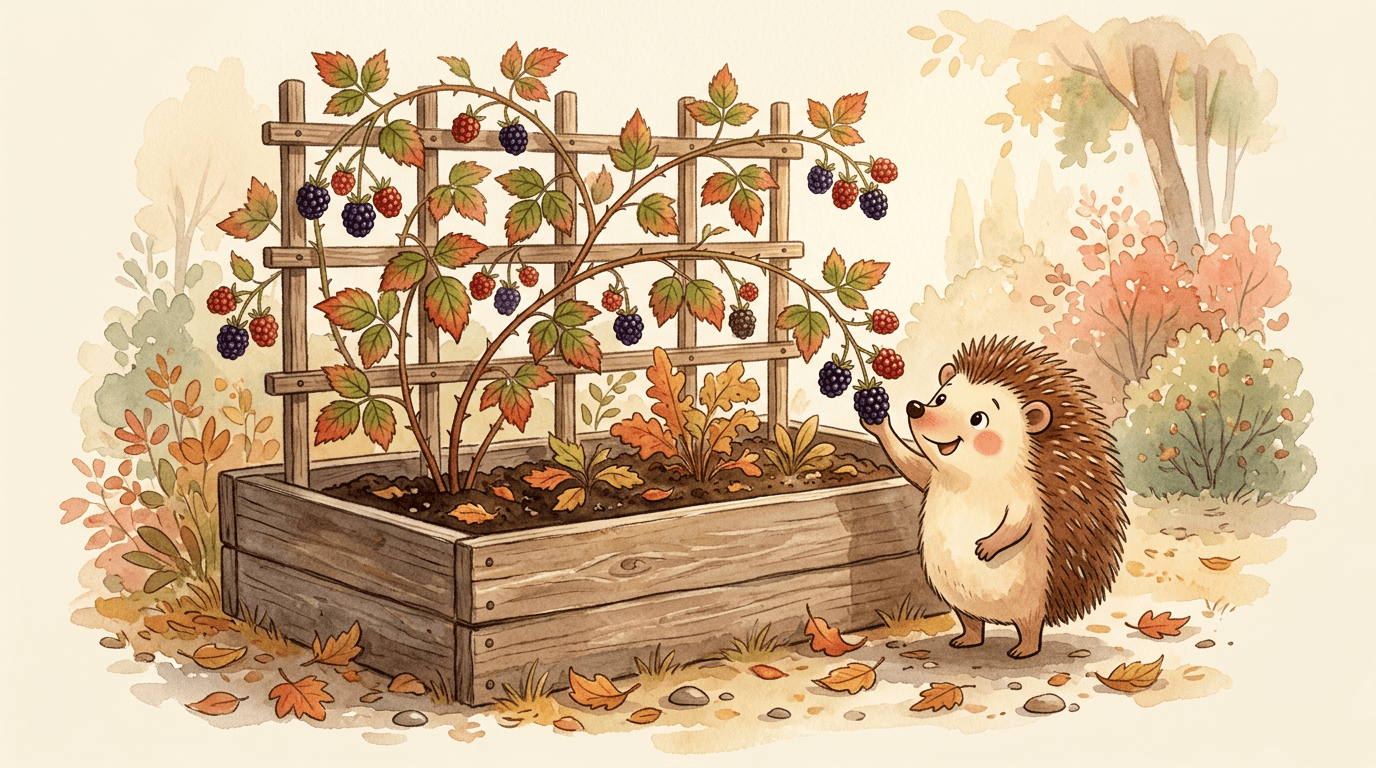
Planting blackberries in a raised bed this autumn: why one plant can already be too many
Frau Schneider ordered three thornless blackberry plants for her kids – all three meant for one single raised bed. I had to tell her that even one of them will outgrow it eventually. Here's what actually matters for an autumn planting.
October 9, 2026 · 2 min read
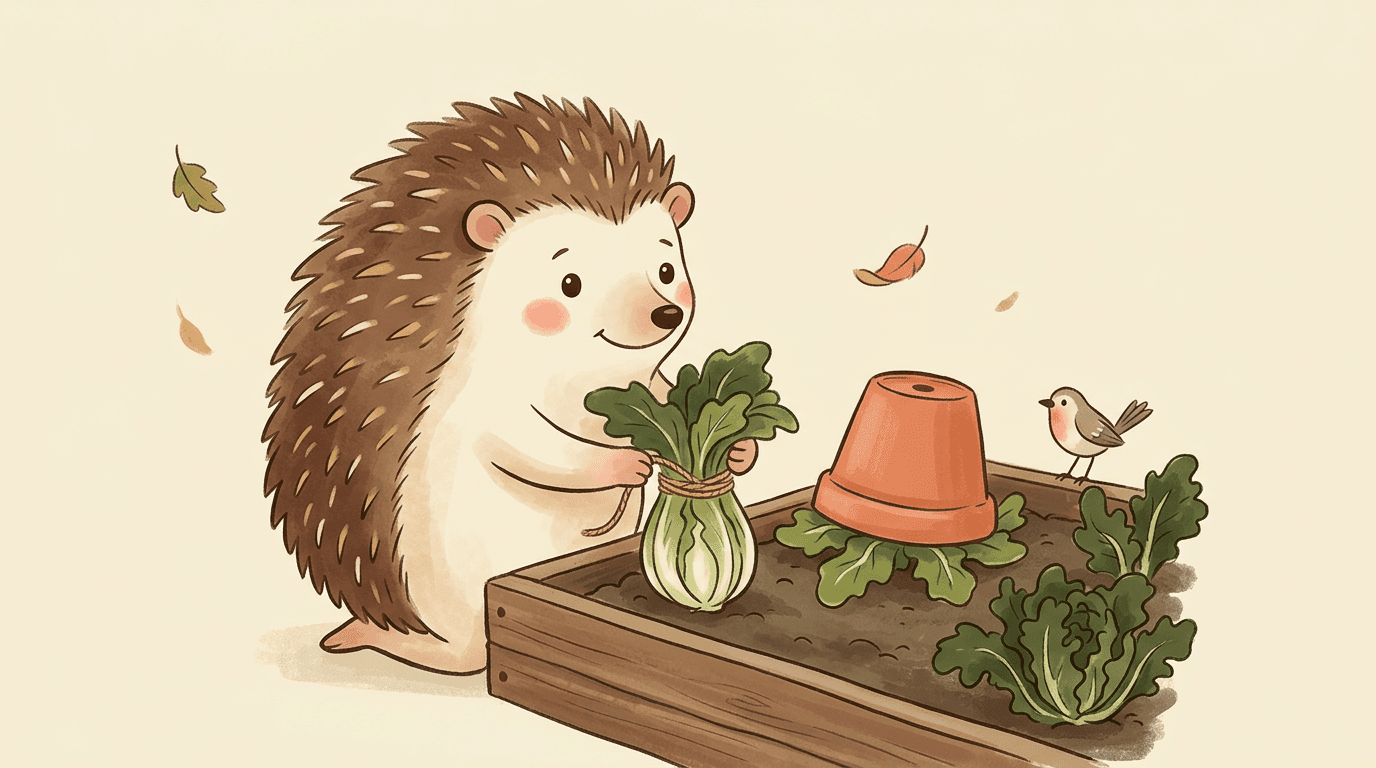
Blanching endive: the trick against bitterness – and where rot is lurking
Frau Schneider tied up her endive on a rainy afternoon because she didn't have time to wait. A week later the heart was brown and slimy instead of pale and tender. Here's what actually matters when you blanch it.
October 8, 2026 · 2 min read
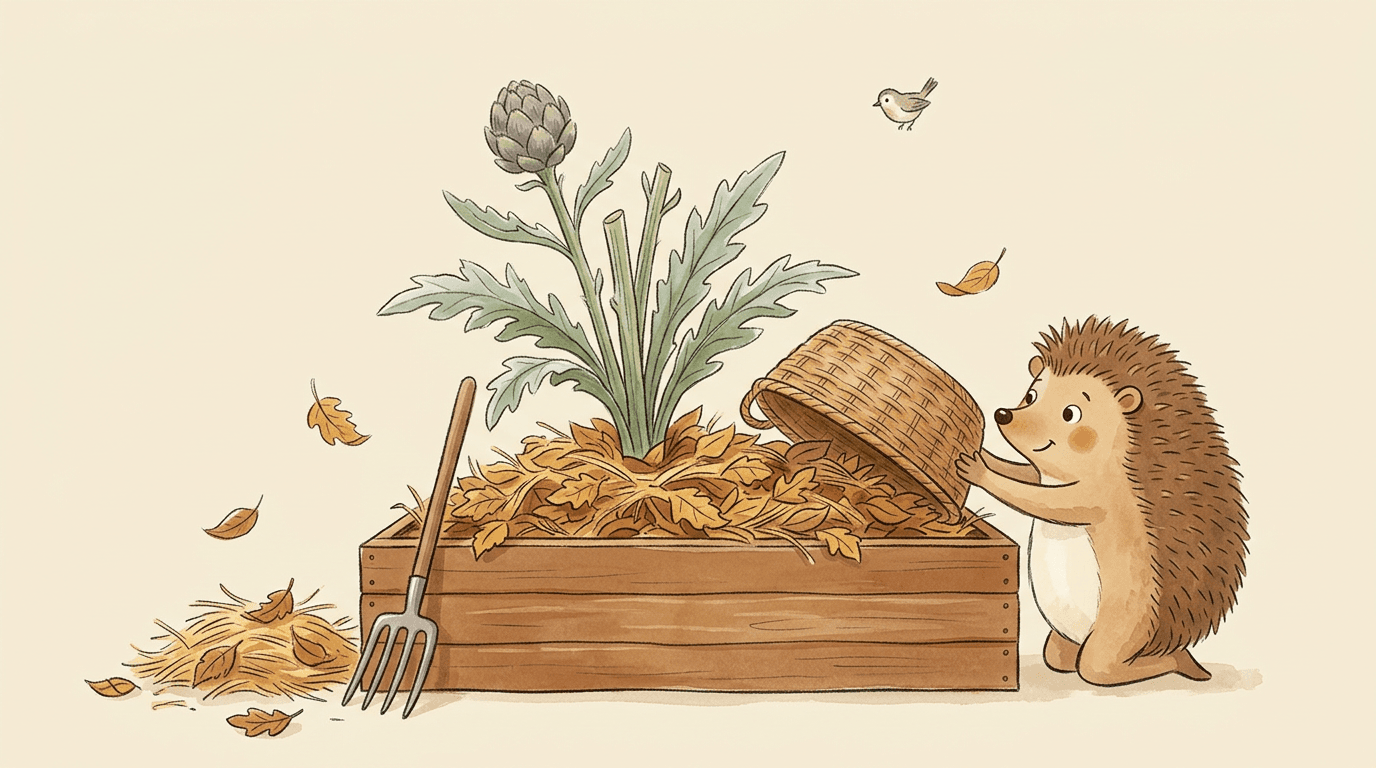
Overwintering artichokes: why they freeze faster in a raised bed than in open ground
Frau Schneider's artichoke grew real buds for the first time this summer – now she's worried the plant won't survive the first hard frost in her raised bed. She's right to worry: raised-bed soil freezes differently from garden soil. Here's how to protect the rootstock properly.