April 30, 2026 · by Stachi · 9 min read
May Sowing Calendar — what goes in the ground this week
May is the busiest month in the garden year — everything changes before and after the Ice Saints. I make myself a week-by-week list. Here it is.
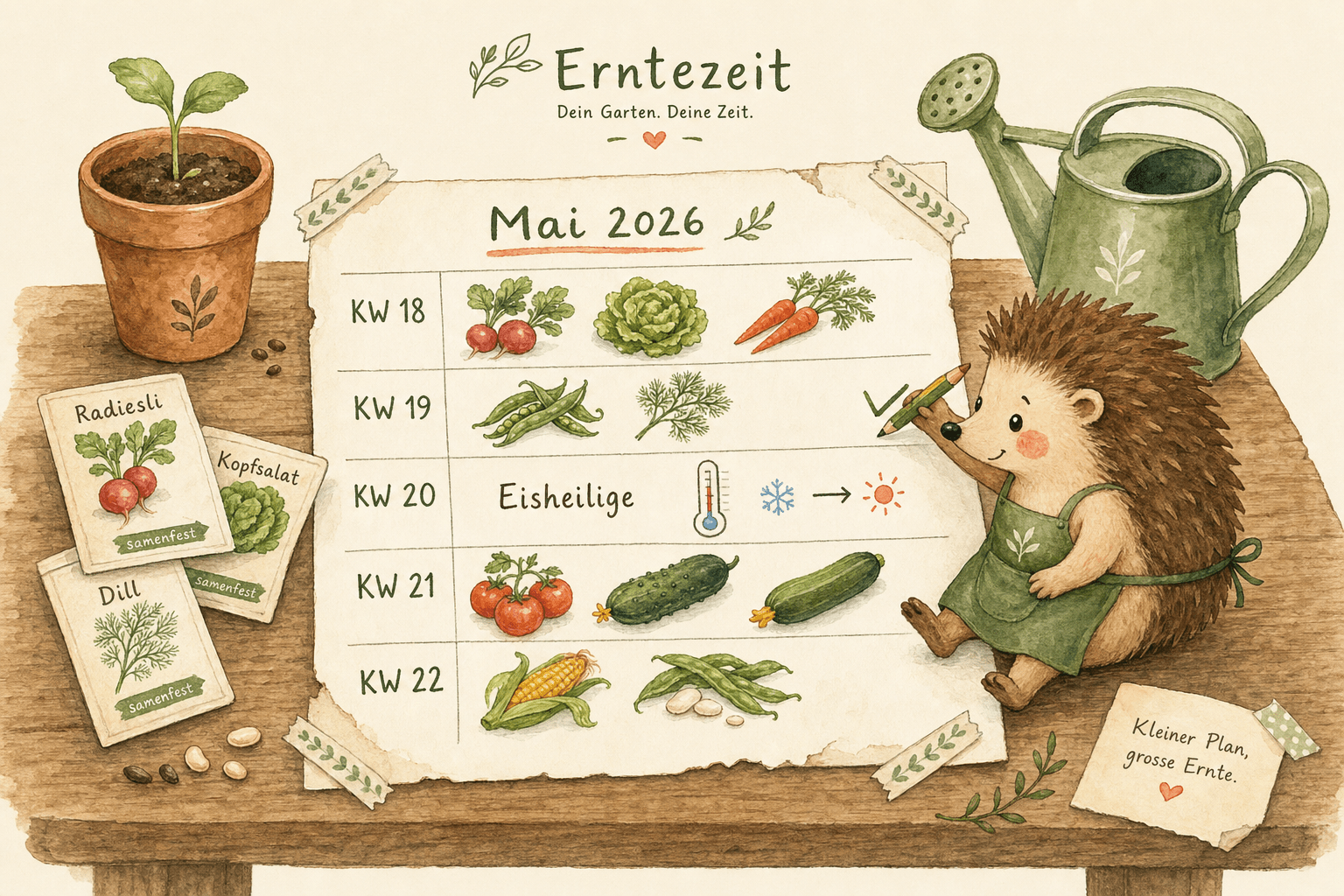
May is the month where I wake up every morning not knowing whether I'm sowing, planting, or waiting. Too much happens at once. The sun does things to you that you regret when you've put your tomato seedlings out on the 12th and then get ground frost on the night of the 13th.
That's why I keep a week-by-week calendar. Not because I love making lists, but because without a list I end up buying in April, planting too early in May, and standing in front of empty beds in June wondering what went wrong.
Here's my May calendar. Concrete, week by week, with everything I know — and everything other people tend to rush.
Week 18 — Early May (4th to 10th)
May starts cool. In Berikon (Swiss Plateau, Zone 8a) night temperatures in early May still regularly sit at 4–6°C. That feels warm, but it's not warm enough for everything.
What can be sown now:
Carrots — direct sow, 20 cm row spacing, thin distribution. Carrots germinate at 8–10°C soil temperature, and in a raised bed (which warms faster than flat ground) that's usually already reached. 4–5 weeks to germination, so don't worry if nothing appears at first.
Radishes — succession sow — if you sowed in March, you're now clearing the first row. Sow again immediately. Radishes take 3–4 weeks, so there's still room for one or two more harvests this season.
Swiss chard — one of the most unfussy plants you can grow. Germinates reliably, grows fast, and one sowing carries you through to October.
Pak choi — now, before it gets warmer. Pak choi bolts (goes to seed) in heat — meaning it becomes inedible and turns bitter. Use the spring window.
Peas (late varieties) — if you haven't sown yet, now or never. Peas like cool weather and flower poorly above 22°C. Get them in this week.
Lettuce — succession sow — same as radishes: if you sowed in March or April, sow the second wave now. Mix varieties — butterhead, looseleaf, iceberg — so they don't all ripen at once.
What still needs to wait:
Tomatoes, peppers, aubergines stay inside. No negotiations. Daytime temperatures of 18°C look tempting, but ground frost is still possible in early May — especially at higher elevations and in northern Germany.
What can be planted:
Strawberry runners are robust enough. Press roots down firmly, water well for a few days, and they'll settle in.
Week 19 — Mid May / just before the Ice Saints (11th to 15th)
Now it gets interesting. The Ice Saints are approaching. I've written a whole post about what they actually are. Short version: between the 11th and 15th of May, Central Europe traditionally sees the last cold snap of the year — the "Ice Saints" (Eisheilige). This isn't folklore: it's statistics and air current patterns.
What can be sown now:
Beans (direct sow) — go ahead if nights are clearly above 8°C. Beans don't like cold around the seedling, but at stable 10–12°C nights it works. When in doubt, wait a few more days.
Dill — the underrated all-rounder. Very fast, very tough, and it attracts beneficial insects. Just scatter seeds, barely cover them, and within a week they're up.
Borage — if you like it: now. Borage self-seeds generously, so if you have a spot where you're happy for it to return next year, let it flower and drop seed.
What's still waiting:
Tomatoes, cucumbers, courgettes, pumpkins, basil — all waiting for after the Ice Saints. Even if your neighbour has already put theirs out. Especially if your neighbour has already put theirs out.
Week 20 — The Ice Saints (11th–15th May, the turning point)
This week comes in two halves.
Before the Ice Saints: last call for cold-tolerant crops
Anything that hasn't been sown yet and likes cool conditions — get it in now:
- Kohlrabi — tough, fast, needs room below
- Spinach — succession sow — if your first spinach is already budding, sow a new row right next to it
- Lamb's lettuce (corn salad) — the best gap-filler; still germinates at 6°C
After this, the warm crops take over and you'll need the space.
After the Ice Saints: warm crops out without protection
Once the 15th is genuinely past — really past, not "probably" — the rule changes:
Tomatoes, peppers, aubergines can go out. Without fleece. Without hesitation.
This is the moment you've been waiting for since February. The seedlings that spent 6–8 weeks on the windowsill, looking a bit pale and leggy: into the ground they go. A few days of hardening off (morning outside, back in at night) makes them sturdier, but with stable nights above 10°C it's not strictly necessary.
Week 21 — Mid to late May (18th to 24th)
Now the engine is running. If you've done things right up to here, you're planting with full momentum.
Tomatoes out, if not done already this week. Plant deep — tomatoes grow roots along their stems, so bury a third of the plant. It makes for a much more stable plant.
Cucumbers — seedlings or direct sow. Cucumbers are sensitive to transplanting (they hate waterlogging), so if sowing directly: sow in place, don't move them.
Courgettes (zucchini) — one plant per 60×60 cm. I mean that. One single courgette plant produces more than a family of three can process in a summer. Two plants: you're giving courgettes away. Three plants: you have a problem.
Pumpkins / squash — if you have the space. Pumpkins need 1×1 m or more. Not for small beds, but if you have a large bed or want the plant to climb over the edge: now.
Sweetcorn (direct sow) — possible in warmer areas from now. Corn needs warmth and wind pollination, so plant at least 3×3 in a block, not a single row.
Basil directly into the bed — possible from Week 21 if nights are stable above 12°C. Basil is sensitive despite appearances. To be safe: wait one more week.
Week 22 — End of May (25th to 31st)
Last chance for some things. Anyone who hasn't planted yet is losing weeks.
Beans — last direct sow possible. Beans need 60–70 days to harvest, so sown at the end of May you're harvesting end of July / early August. That still works.
Courgette — follow-on planting — if you already have one plant and it didn't survive, replanting now is still possible.
All warm-season plants must be outside. Every seedling still sitting on a windowsill is stretching toward the light and losing strength. Better a slightly stressed plant outside than a soft, drawn-out plant inside.
And: fill the gaps. Where radishes are done, put in carrots. Where peas have been harvested, put in beans or pak choi. An empty raised bed is wasted space.
Table: What goes in when in May?
| Plant | W18 | W19 | W20 | W21 | W22 |
|---|---|---|---|---|---|
| Carrots (sow) | ✅ | ✅ | ✅ | ✅ | — |
| Radishes (sow) | ✅ | ✅ | ✅ | — | — |
| Lettuce (sow) | ✅ | ✅ | ✅ | — | — |
| Spinach (sow) | ✅ | ✅ | ✅ (before) | — | — |
| Swiss chard (sow) | ✅ | ✅ | ✅ | — | — |
| Pak choi (sow) | ✅ | ✅ | — | — | — |
| Peas (sow) | ✅ | — | — | — | — |
| Kohlrabi (sow) | ✅ | ✅ | ✅ (before) | — | — |
| Lamb's lettuce (sow) | ✅ | ✅ | ✅ (before) | — | — |
| Dill (sow) | ✅ | ✅ | ✅ | ✅ | — |
| Beans (sow) | — | ✅* | ✅ (after) | ✅ | ✅ |
| Basil (sow) | — | — | — | ✅* | ✅ |
| Strawberries (plant) | ✅ | ✅ | ✅ | — | — |
| Tomatoes (plant) | ❌ | ❌ | ✅ (after) | ✅ | ✅ |
| Peppers (plant) | ❌ | ❌ | ✅ (after) | ✅ | ✅ |
| Aubergines (plant) | ❌ | ❌ | ✅ (after) | ✅ | ✅ |
| Cucumbers (plant) | ❌ | ❌ | — | ✅ | ✅ |
| Courgettes (plant) | ❌ | ❌ | — | ✅ | ✅ |
| Pumpkins (plant) | ❌ | ❌ | — | ✅ | ✅ |
| Sweetcorn (sow) | — | — | — | ✅* | ✅ |
✅ = now possible · ❌ = too early, frost risk · — = no longer relevant or too late * = depends on night temperatures, check your location
If you're in Vienna, Munich, or Oslo
This calendar is calibrated for the Swiss Plateau (Zone 8a, Berikon). But garden zones shift — and not by a little.
Krems an der Donau (Pannonian climate, Zone 8a but more continental): Last frost often already in early May. Tomatoes theoretically go out in Week 19 there if the forecast holds. But careful: cold nights still occur sporadically in mid-May in Pannonian areas.
Munich (Zone 7b, alpine influence): Ground frost possible until late May in some years. I'd wait until Week 21 for tomatoes there — one week safer is always better.
Northern Germany (Hamburg, Bremen, Zone 8a with Atlantic influence): Milder winters but unpredictable springs. Last frost statistically similar to the Swiss Plateau, but with more variance.
Austrian Alpine valleys (Innsbruck, Zone 7b): Possible into June. Tomatoes out not until Week 22 or even later.
The pattern: the more continental or alpine your location, the later. I've written about how to find the exact frost date for your location here.
Erntezeit calculates this automatically: enter your postcode → 10 years of Open-Meteo frost data → your personal last frost date to the week. No guesswork, no average from a gardening magazine that doesn't know where you live.
What I learned from 3 years of planting tomatoes too early
In my first years of gardening I always planted too early. May is warm, the sun tempts you, and you look at the seedlings on the windowsill and think: they want to come out. True — but their wanting isn't the measure of all things.
Once, a frost night on the 13th of May cost me all five tomato seedlings. Five seedlings, eight weeks of propagation, one night. That's the lesson you experience once and never forget.
Now I make this list. Not because I'm a perfectionist, but because I don't want to lose five seedlings again.
May is intense — but plannable
If you know what goes in when, May doesn't have to feel chaotic. You don't have to guess every day. Week 18: carrots and radishes. Week 19: beans and dill. Week 20: the turning point. Week 21: all the warm ones out. Week 22: fill the gaps and done.
That's the whole of May.
If you'd like Erntezeit to generate this list for your location, your bed, and your plant selection — including the right calendar weeks for your climate:
Plan your bed for free → /en/planer/standort
Grow something good. And wait for the Ice Saints.
🦔 Stachi
Further reading:
Related plants


More articles
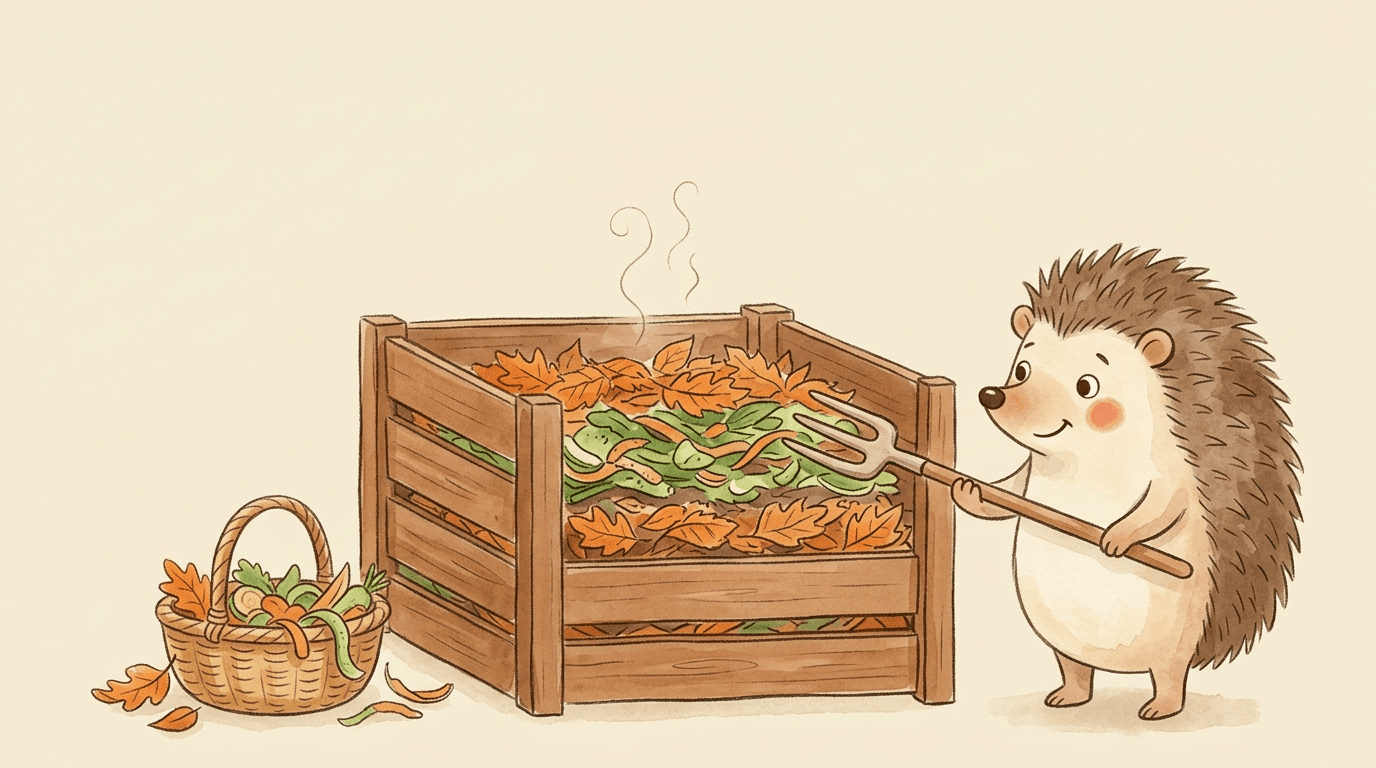
October 26, 2026 · 3 min read
Starting an autumn compost pile: 3 parts leaves, 1 part kitchen scraps
Frau Schneider's compost pile just sat there all winter. No steam on cold mornings, no warmth, no breakdown — just a heap of dry leaves that hadn't changed a bit by March. The problem wasn't patience. It was the mix.
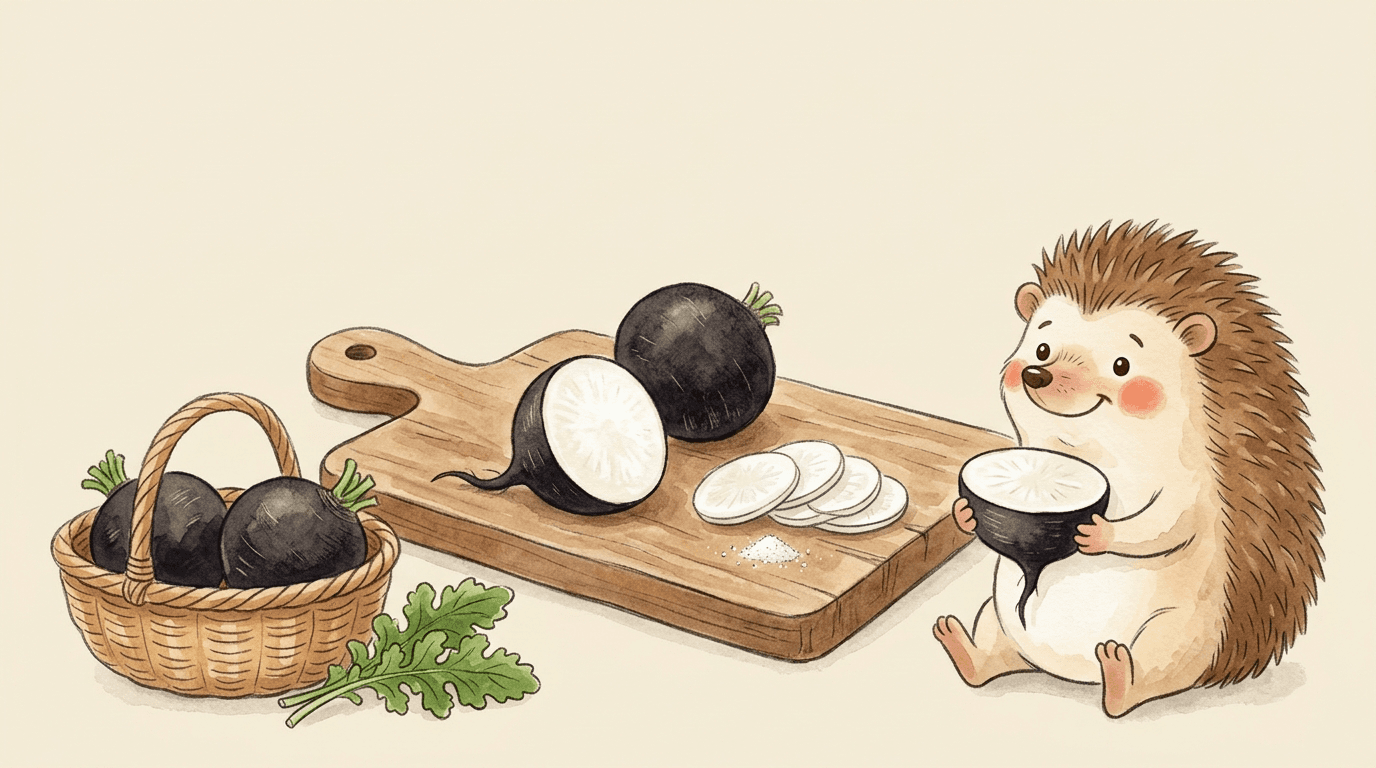
October 20, 2026 · 3 min read
Black radish: why you should let it rest before you bite in
Last year Frau Schneider bit straight into one, unsalted, fresh out of the ground, and spent the next two minutes coughing instead of talking. The problem wasn't the radish. It was the timing.
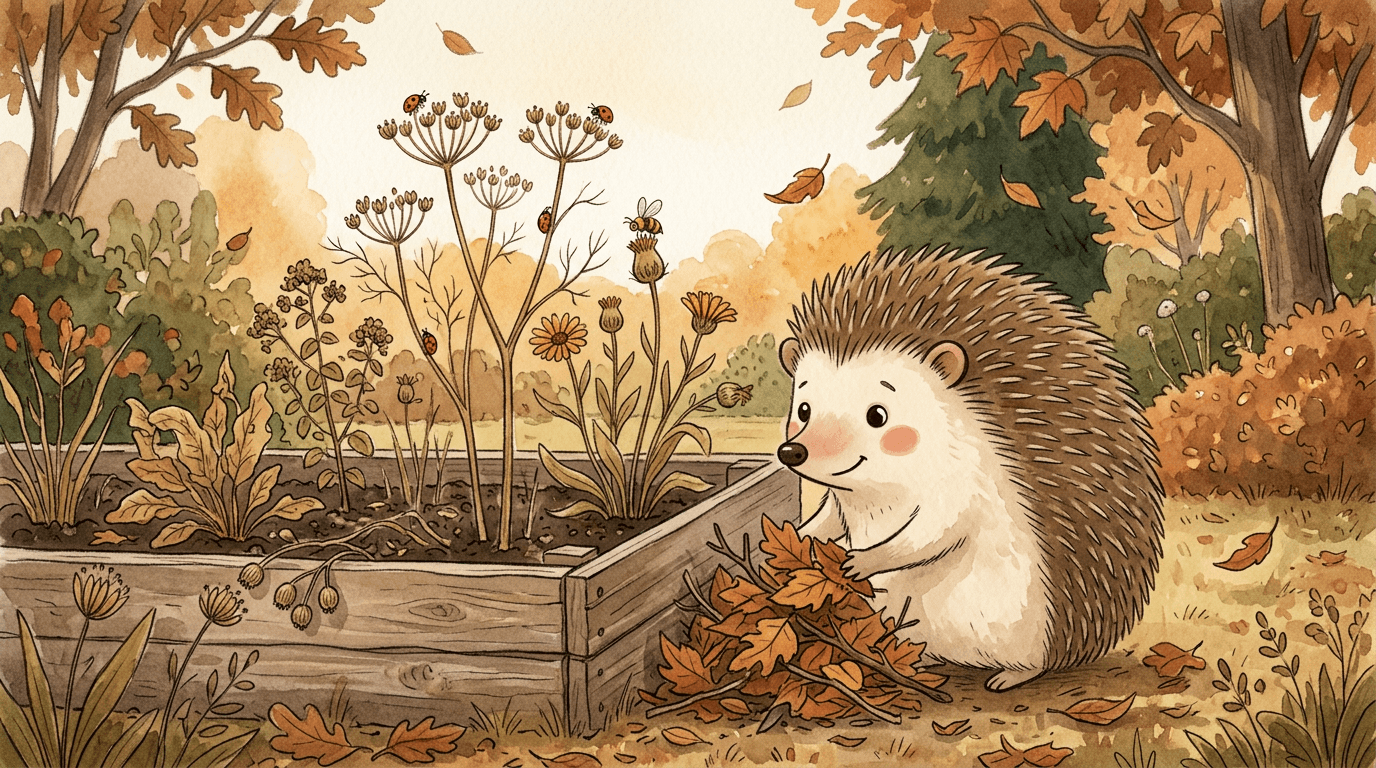
October 14, 2026 · 2 min read
Why I only tidy up half my raised bed in October
Mr Zimmermann cut his entire raised bed down to the ground in one afternoon — stalks, seed heads, leaves, all gone. I should have warned him beforehand: not everything, only half. Here's what should stay standing and what really needs to go.