June 25, 2026 · by Stachi · 3 min read
A watering timer for your raised bed: how the bed survives your holidays
An automatic watering computer on the tap, plus a drip line — and your raised bed waters itself, even when you're away for two weeks. How to set it up, program it properly, and dodge the one mistake that ruins everything.

Three years ago I went away for twelve days in July and asked Frau Schneider to water my raised bed here in Berikon. She meant well. She also forgot for three days, then flooded it once to make up for it. I came back to tomatoes that looked like boiled spinach.
Last year a watering timer hung on the tap. Twelve days away, same heat. I came back to living tomatoes. For the first time.
Why bother with automatic watering
A raised bed dries out faster than open ground. It stands free, loses warmth and moisture on every side, and the loose fill holds water for less time. In July a full, densely planted bed wants water almost every day, twice on the hot ones.
That's already a nuisance on an ordinary weekend. Over the holidays it's impossible if nobody reliable shows up. And "reliable" is the whole problem: most neighbours either water too little, or water too much out of guilt. A watering timer does exactly the same thing every single day. That's precisely what plants like.
What you need
Two parts, no more:
- A watering timer (a computer that screws straight onto the tap). Gardena is the most common one; they start around CHF 40 to 70. Models with a real dial and a display are easier to program than the app-only ones.
- A drip line or soaker hose that you lay between the plants in the bed. It delivers water straight to the roots instead of splashing it over the leaves. I've written up how to lay a drip line in a raised bed in Drip irrigation for your raised bed.
Together they cost about a round of beers. No smart home, no subscription, no cloud.
Program it right: early and deep
This is where most people make the first beginner mistake, and I was one of them. I watered little and often, ten minutes every day. It feels caring. It's wrong.
Two rules that changed everything for me:
- Early in the morning. Set the start for before six or seven. The water soaks in while it's cool, instead of evaporating in the midday heat. Wet foliage dries off over the day, which keeps fungus away.
- Deep, not often. Twenty to thirty minutes every second day beats ten minutes every day. Water that soaks through pulls the roots downward. Little sips keep them up top, where the soil dries first — and then the plant is gasping the moment anything goes wrong.
Tomatoes and cucumbers repay deep watering with roots that can shrug off a missed day. More on the summer rhythm in Watering a raised bed properly in summer.
The one mistake: the timer waters in the rain
A timer is stubborn. It runs its program even when it's been pouring for hours. I once came back to a bed that was pure soup — three days of steady rain, and the computer had dutifully topped it up every morning. Constant wetness is nearly as bad for the roots as drought.
The fix costs CHF 20 to 30: a rain or soil-moisture sensor that pauses the timer when things are damp enough. Most Gardena timers have a socket for one. That's the one accessory I wouldn't skip. If you'd rather go without a sensor, cover the soil well with mulch and set the interval deliberately short — how mulch slows evaporation is in Mulching a raised bed: straw, grass clippings and what actually works.
What Erntezeit does about it
I can't turn the tap for you, but I know what's in your bed and how thirsty it is. Erntezeit shows you which of your plants are the big drinkers, and with the weather connection you can see when a heat week is coming — exactly when you should adjust your program or check the sensor.
Frau Schneider only waters her own geraniums now. My tomatoes and the timer get on fine by themselves.
🦔 Stachi
Related plants


More articles
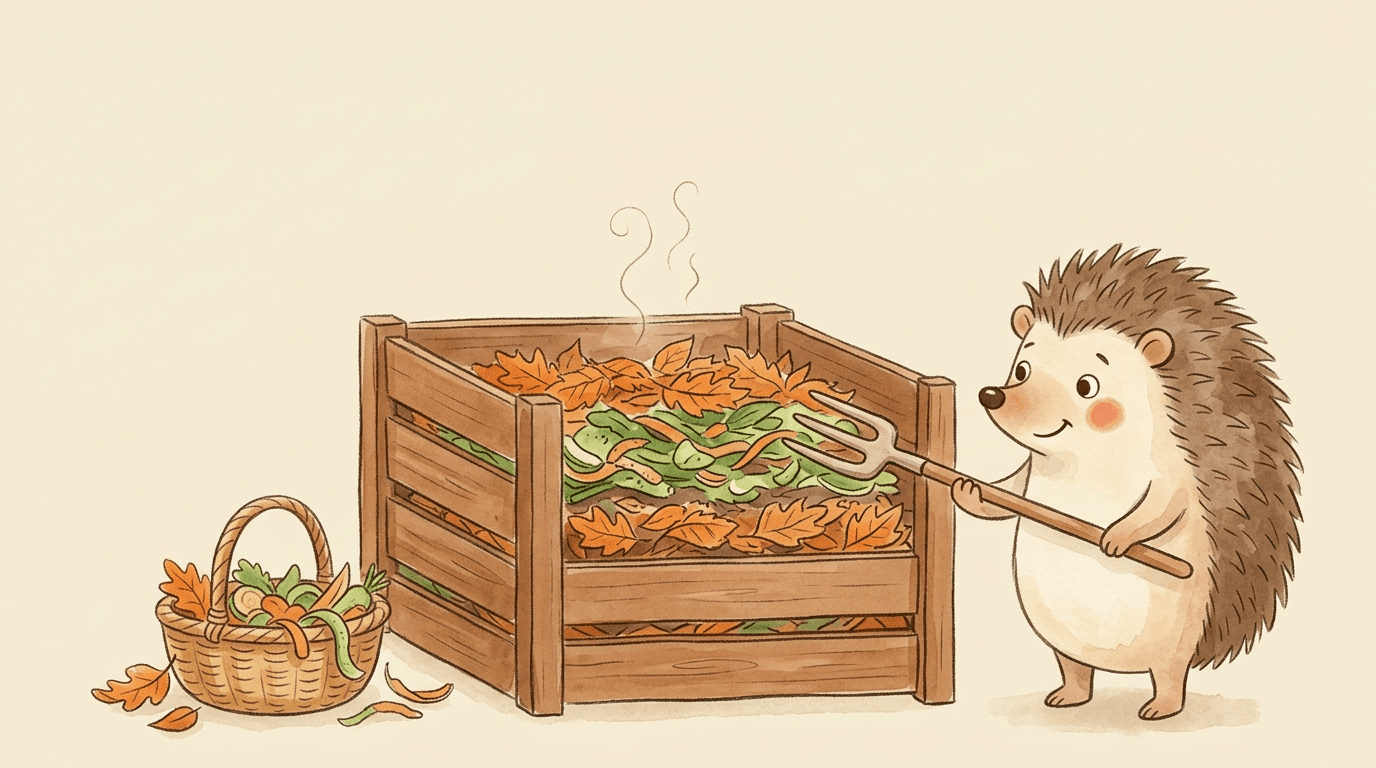
October 26, 2026 · 3 min read
Starting an autumn compost pile: 3 parts leaves, 1 part kitchen scraps
Frau Schneider's compost pile just sat there all winter. No steam on cold mornings, no warmth, no breakdown — just a heap of dry leaves that hadn't changed a bit by March. The problem wasn't patience. It was the mix.
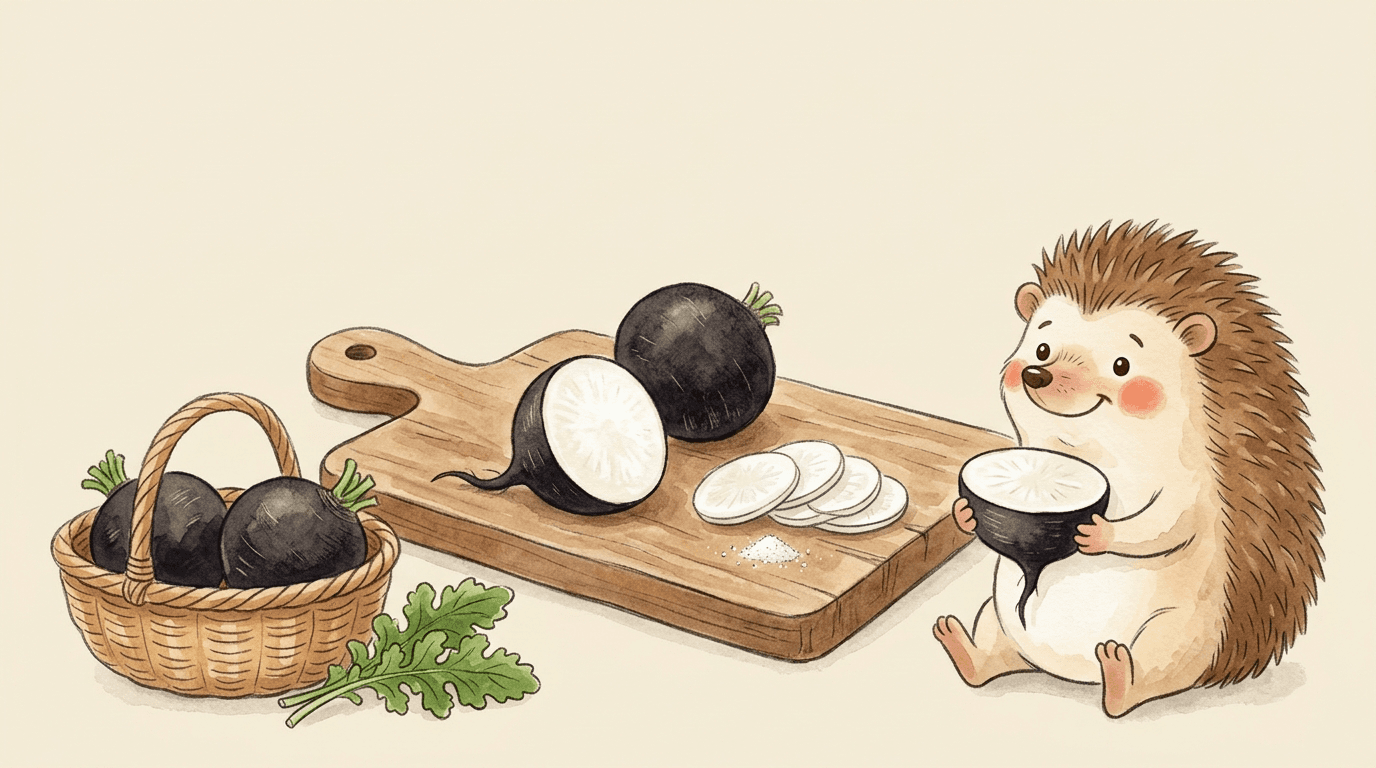
October 20, 2026 · 3 min read
Black radish: why you should let it rest before you bite in
Last year Frau Schneider bit straight into one, unsalted, fresh out of the ground, and spent the next two minutes coughing instead of talking. The problem wasn't the radish. It was the timing.
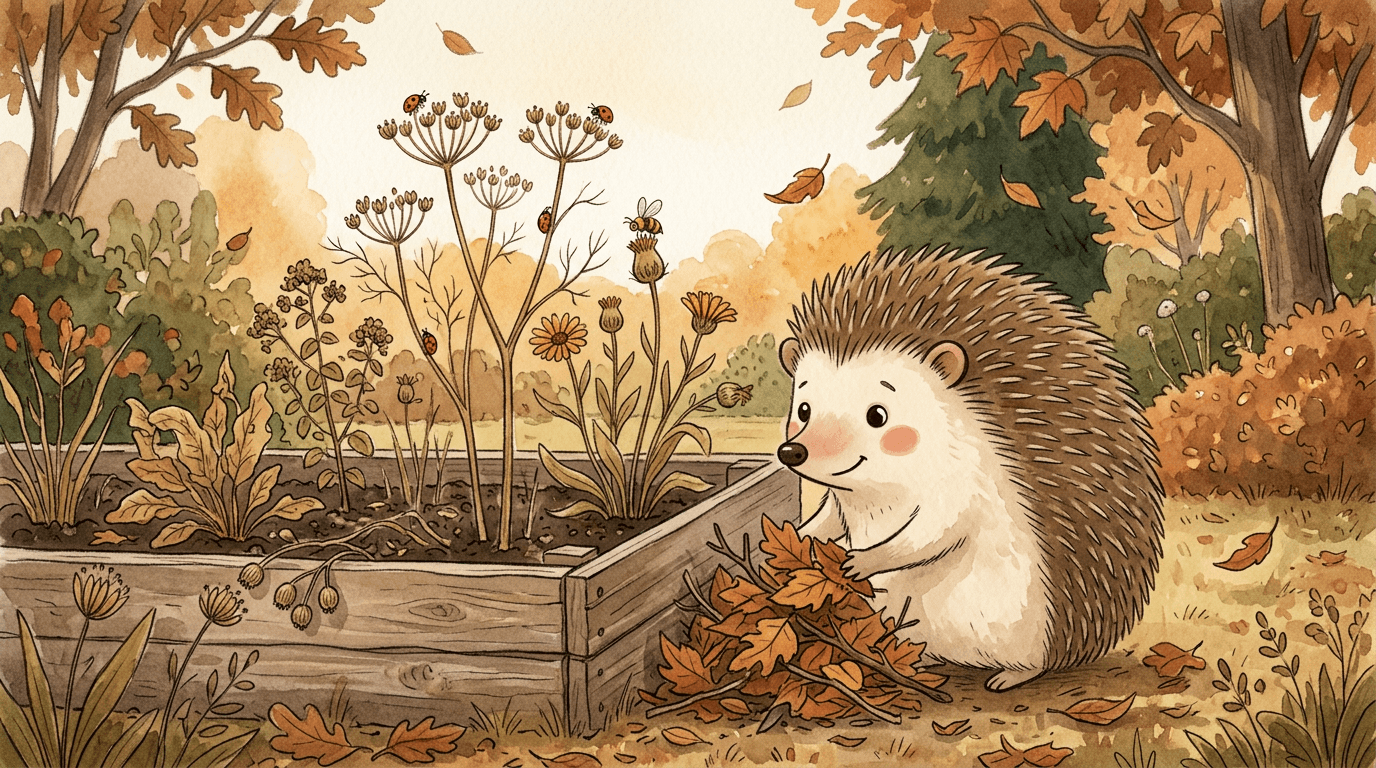
October 14, 2026 · 2 min read
Why I only tidy up half my raised bed in October
Mr Zimmermann cut his entire raised bed down to the ground in one afternoon — stalks, seed heads, leaves, all gone. I should have warned him beforehand: not everything, only half. Here's what should stay standing and what really needs to go.