June 13, 2026 · by Stachi · 3 min read
The raised bed in the first heatwave: when shade helps — and when it hurts
The first 30-degree week arrives earlier every year than you'd think. What in the raised bed really needs shade, what the sun can handle, and why a shade net is sometimes the wrong move.
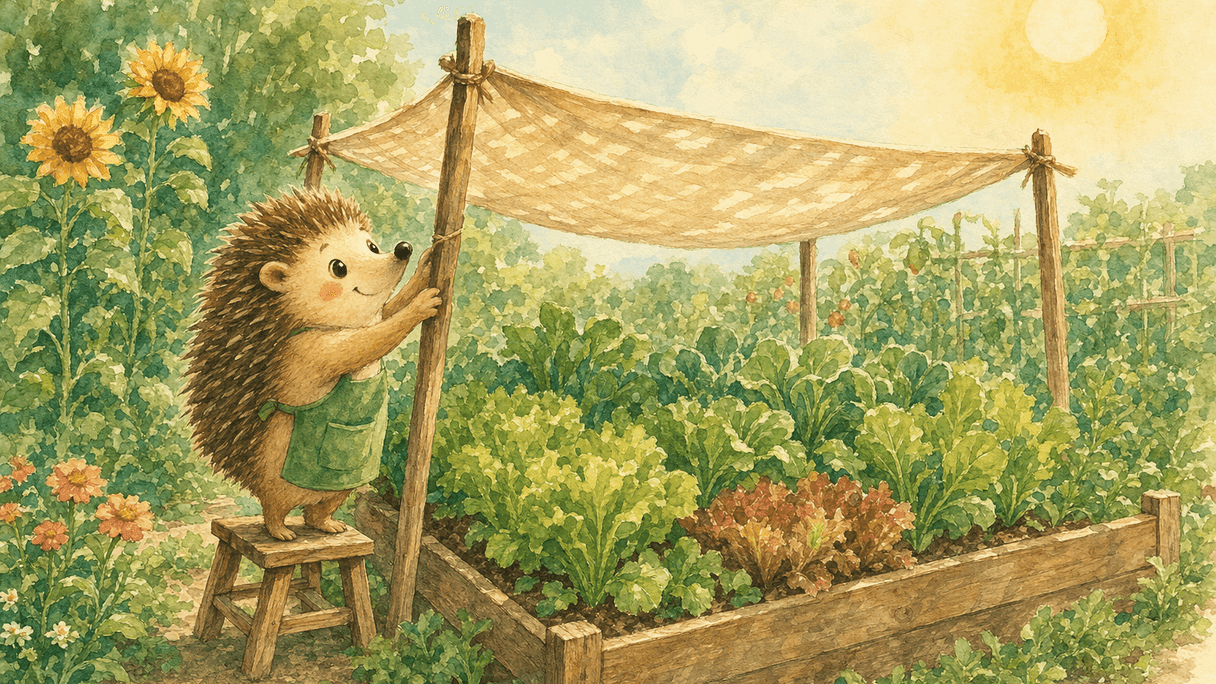
Last June in Zürich-Affoltern we had four days in a row over 30 degrees. My raised bed sits on the south side, no tree anywhere near. By the third day my loose-leaf lettuce looked like a wet rag someone had left out in the sun.
I then panicked and draped an old bedsheet over it. Half right, half wrong. Here's what I've learned since.
Not everything wants shade
The reflex in the heat is to cover everything. Wrong. Tomatoes, courgettes, peppers and beans are sun plants. They want exactly this heat, as long as there's enough water down below. Shade them and you take their harvest away.
Shade is for the cool ones: lettuce, spinach, rocket, radishes and young seedlings that don't yet have roots down deep. In the heat they bolt into flower or turn bitter.
The real problem is the soil, not the leaf
A leaf that hangs limp at midday often isn't scorched at all. The plant is just throttling its evaporation, and it perks back up by itself in the evening. Check in the morning: if it's standing firm again by seven, all is well.
The real problem is the soil, which dries out faster in a raised bed than in the ground. A raised bed stands free, and the sun hits the walls from every side. Before you stretch a net over it, give it a proper watering first. How to manage that in summer without hauling cans every day, I've written up in summer watering in the raised bed and drip irrigation.
Mulch beats shade
Before I think about nets, I lay a handful of grass clippings or straw on the bare soil. This layer keeps the ground cool and the water in. For me that easily saves half the watering on hot days.
Important: not right up against the stem, or it rots. Leave a finger or two of space.
If you do use a net, do it right
If that's not enough, the shade net comes out. But not laid flat on the leaf. That traps the heat and the wet spots rot. Stretch it over with a bit of a gap, a few poles will do. Air has to get through.
A cloth with around 30 to 50 percent shading takes the edge off without making it dark underneath. Over it at midday, off again in the evening. An old bedsheet does the job too, by the way. Just during the day, not overnight.
Location beats everything
The best sun protection is the right plant in the right spot. Lettuce in the half-shade behind the tomato gives you less grief in high summer than lettuce in the full midday sun. Which plants cope with less sun is in plants for shade in the raised bed, and how to carry lettuce through summer, in lettuce in the raised bed all year round.
What Erntezeit does about it
You enter your location and your bed, and I work with the real temperatures of your region. That way you know which plant can take the midday sun where you are and which is better off tucked behind the big housemate. Free for one bed.
Mrs Schneider has three parasols in her garden this year. I've got a bit of straw and an old sheet. We harvest about the same amount of lettuce.
🦔 Stachi
Related plants


More articles
October 26, 2026 · 3 min read
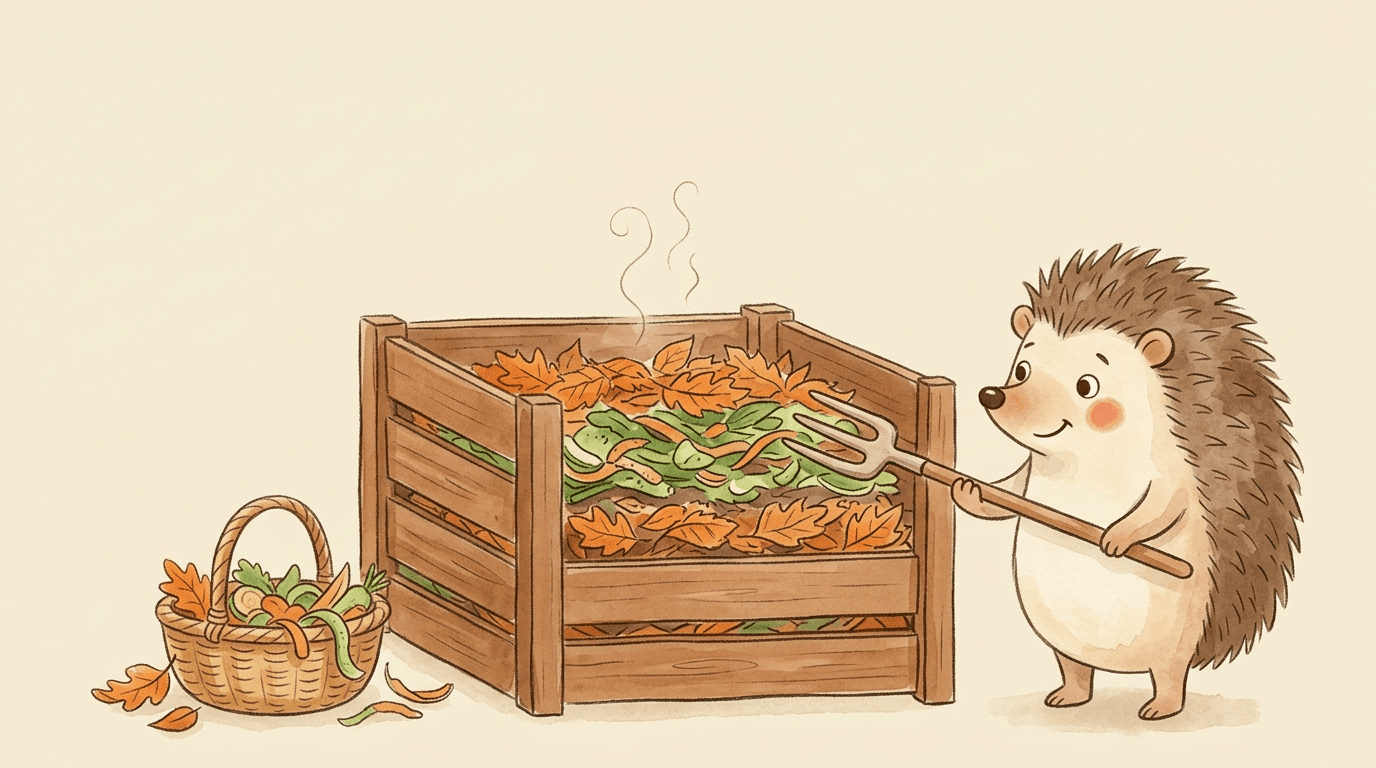
Starting an autumn compost pile: 3 parts leaves, 1 part kitchen scraps
Frau Schneider's compost pile just sat there all winter. No steam on cold mornings, no warmth, no breakdown — just a heap of dry leaves that hadn't changed a bit by March. The problem wasn't patience. It was the mix.
October 20, 2026 · 3 min read
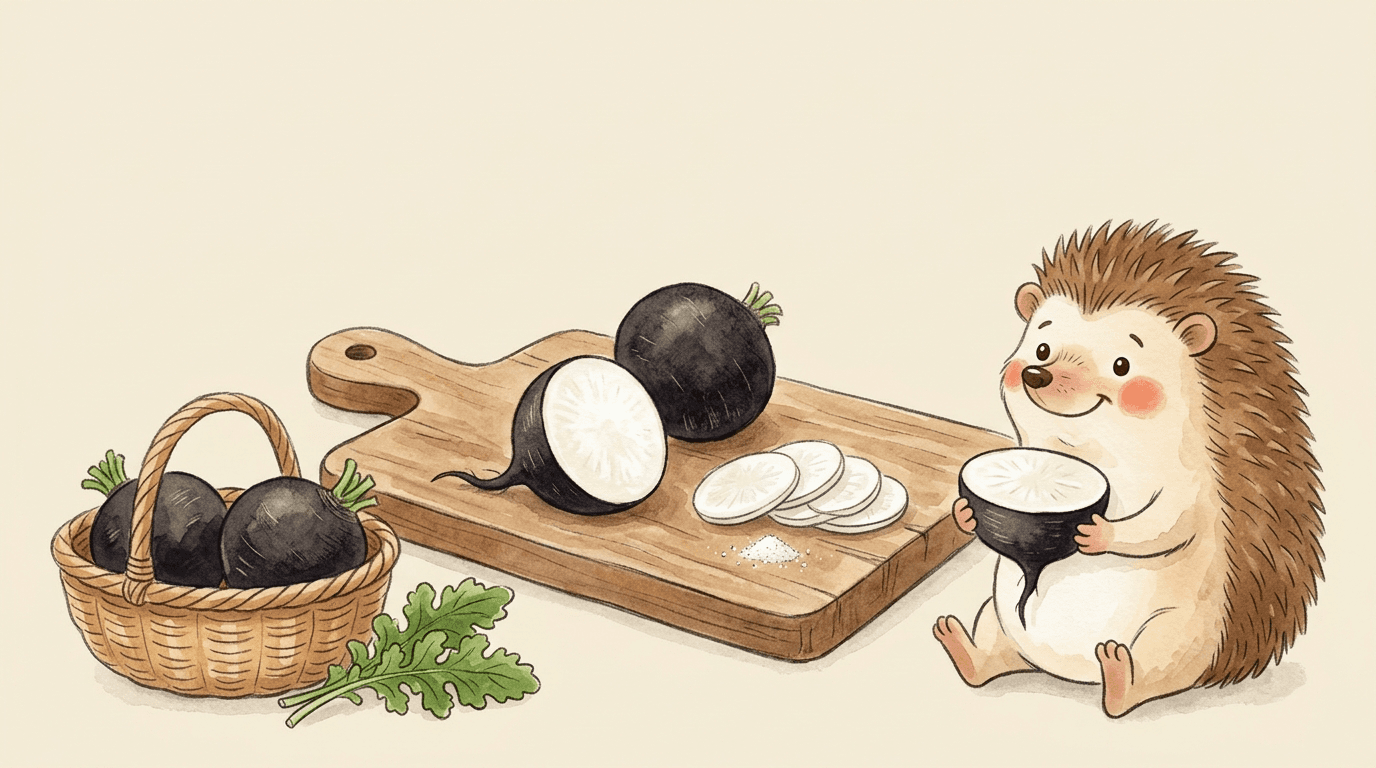
Black radish: why you should let it rest before you bite in
Last year Frau Schneider bit straight into one, unsalted, fresh out of the ground, and spent the next two minutes coughing instead of talking. The problem wasn't the radish. It was the timing.
October 14, 2026 · 2 min read
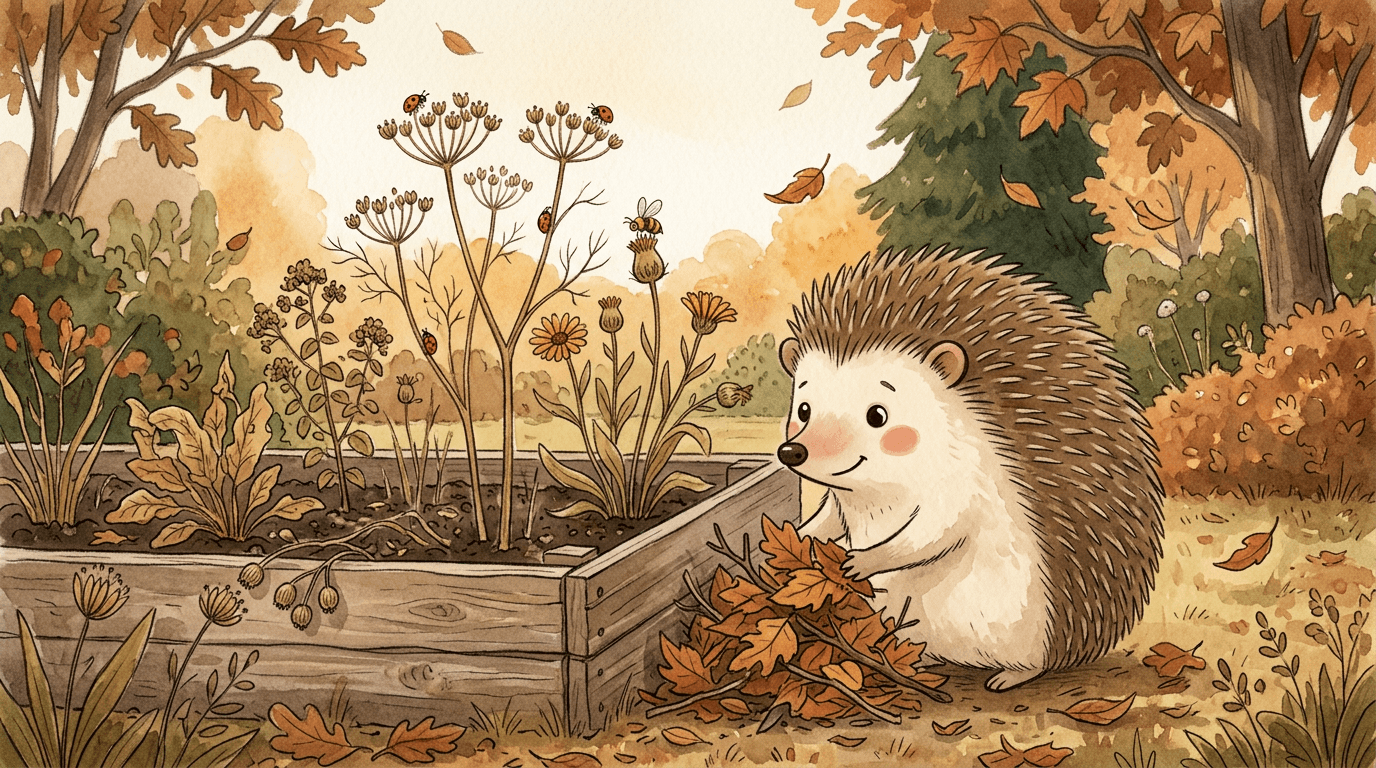
Why I only tidy up half my raised bed in October
Mr Zimmermann cut his entire raised bed down to the ground in one afternoon — stalks, seed heads, leaves, all gone. I should have warned him beforehand: not everything, only half. Here's what should stay standing and what really needs to go.