June 18, 2026 · by Stachi · 3 min read
Zucchini in a raised bed: why one plant is enough — and how to carry it through summer
One zucchini plant, two mistakes, a summer full of fruit. Watering, mildew, harvest: what the plant actually needs, without the garden jargon.
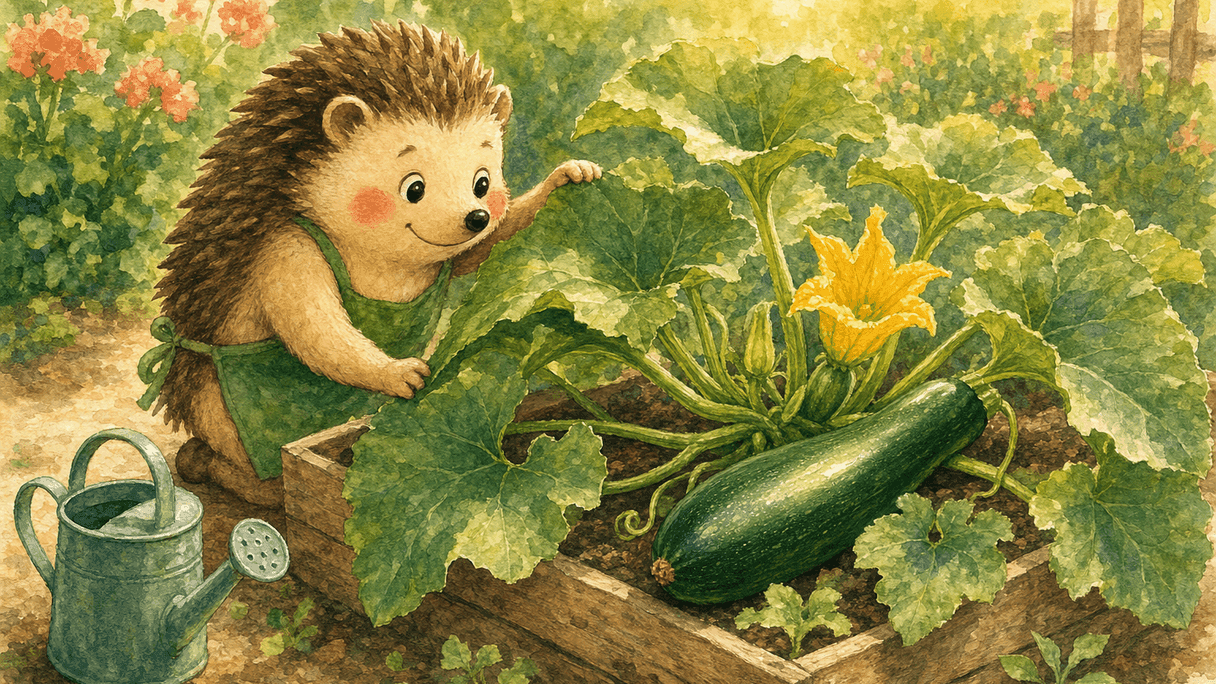
In my first year I put three zucchini plants into the raised bed. Three. By the end of July I was giving zucchini away, freezing zucchini, grating zucchini into things that have no business containing zucchini. Mrs Schneider from Zürich-Affoltern eventually stopped answering the door when I showed up with a bag.
One plant is enough. Really. A healthy zucchini gives you more over the weeks than a normal household eats.
One plant, lots of room
As a seedling, zucchini looks small and innocent. Then it spreads out like a sofa. One plant needs around half a square metre to itself. In a small raised bed that makes it the big housemate taking up half the table.
Give it the edge spot, where the leaves can hang over the side. That way it won't shade your lettuce or steal light from the fast crops.
Watering: a lot, and at the roots
Zucchini are thirsty. Big leaves, big evaporation. On hot days it wants a proper drink, otherwise the leaves flop and the fruit stays small.
The one rule that really counts: water at the soil, not over the leaves. Wet leaves in the cool of the evening are an open invitation for mildew. How to do that cleanly with drip lines I wrote up in summer watering in the raised bed.
Mildew: the white film in high summer
Somewhere in August a white, floury film appears on the leaves. Powdery mildew. On zucchini it's almost normal, rarely a death sentence. What helps:
- Let air in. If the plant is too crowded, cut a few of the oldest, lowest leaves away.
- Remove the worst affected leaves entirely — don't throw them on the compost.
- Keep watering at the roots, never over the foliage.
The plant usually keeps producing anyway. Mildew looks worse than it is.
Harvest: small and often
The biggest beginner mistake after "three plants": waiting until the zucchini is big. A fruit 15 to 20 cm long is tender and tastes best. Let it grow into a club and it turns woody — and the plant stops producing, because it thinks its job is done.
So: harvest small, but often. Check it through two or three times a week. The more you pick, the more comes after. That's the whole trick.
Good neighbours
Zucchini gets along well with beans and basil. Its relatives cucumber and pumpkin, though, shouldn't be crammed into the same tight bed — they all want lots of room and similar nutrients. Which pairs like each other is in my companion-planting table.
When it can go in the bed
Zucchini is a heat plant. It wants warm nights and no more frost. When that's the case where you are depends on your location: earlier in a mild spot, later in a cool one. I've worked out the frost data per city — growing vegetables in Zürich, in Berlin or in Vienna. And what else is in season right now is in what goes into the bed in June.
What Erntezeit does about it
You enter your location and your bed, and I tell you to the week when the zucchini can go out, when to expect a harvest, and which neighbours fit. Free for one bed.
You'll never need three plants again. One is enough. Mrs Schneider answers the door again, by the way.
🦔 Stachi
Related plants


More articles
October 10, 2026 · 2 min read
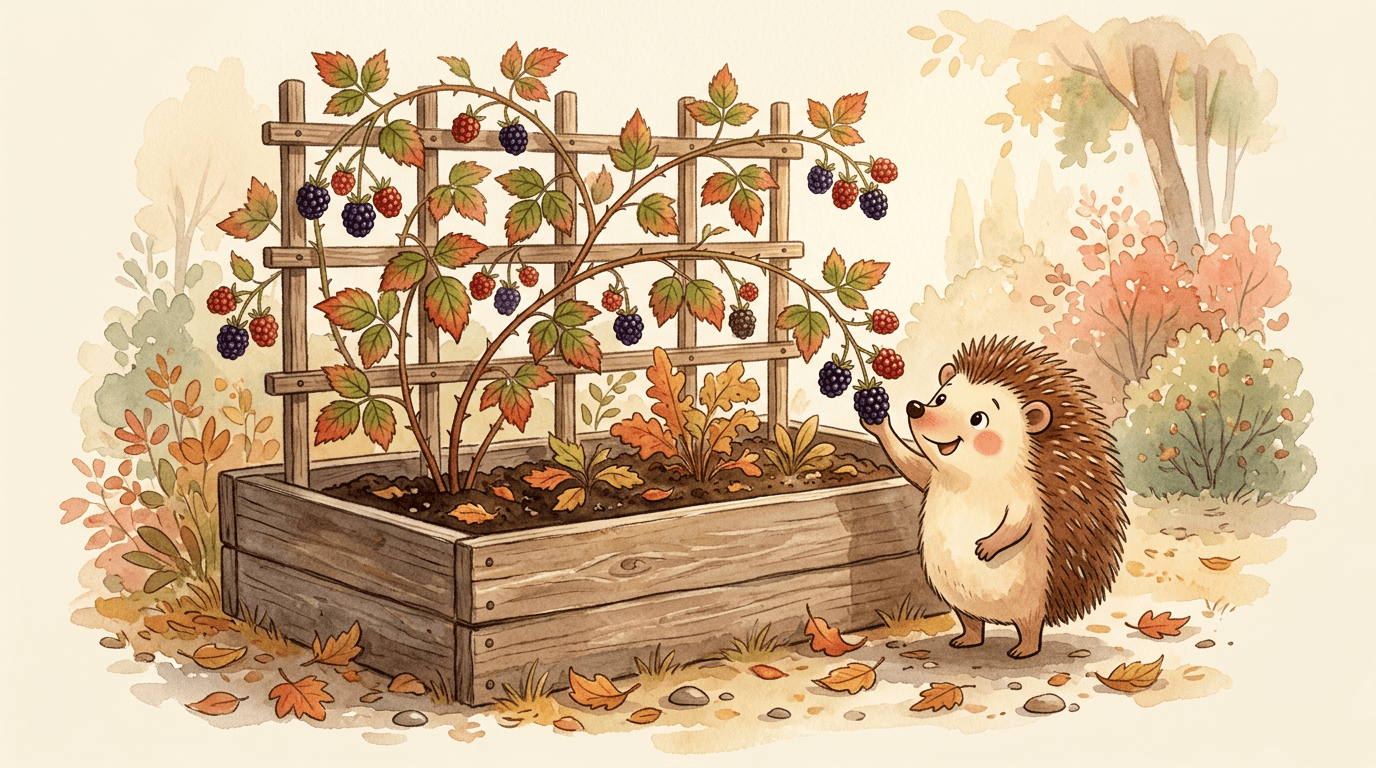
Planting blackberries in a raised bed this autumn: why one plant can already be too many
Frau Schneider ordered three thornless blackberry plants for her kids – all three meant for one single raised bed. I had to tell her that even one of them will outgrow it eventually. Here's what actually matters for an autumn planting.
October 9, 2026 · 2 min read
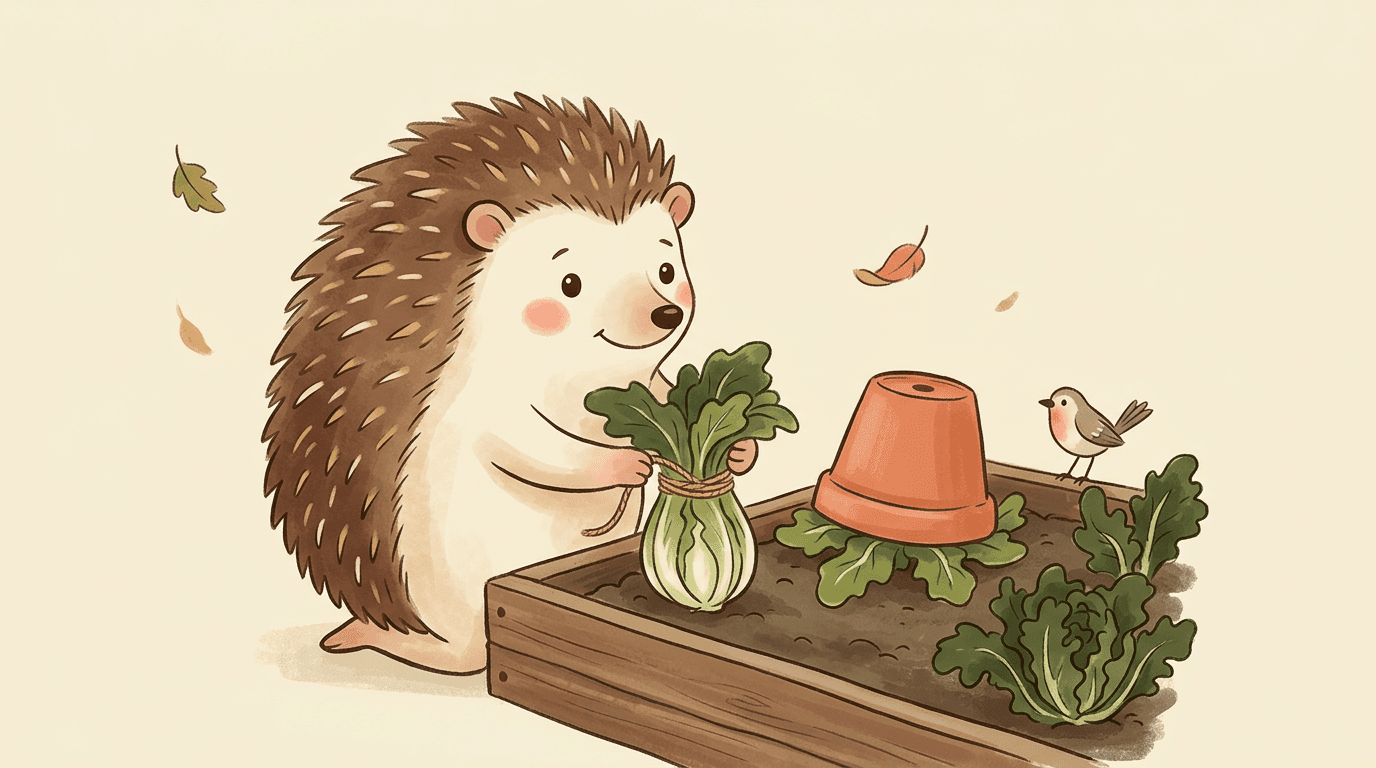
Blanching endive: the trick against bitterness – and where rot is lurking
Frau Schneider tied up her endive on a rainy afternoon because she didn't have time to wait. A week later the heart was brown and slimy instead of pale and tender. Here's what actually matters when you blanch it.
October 8, 2026 · 2 min read
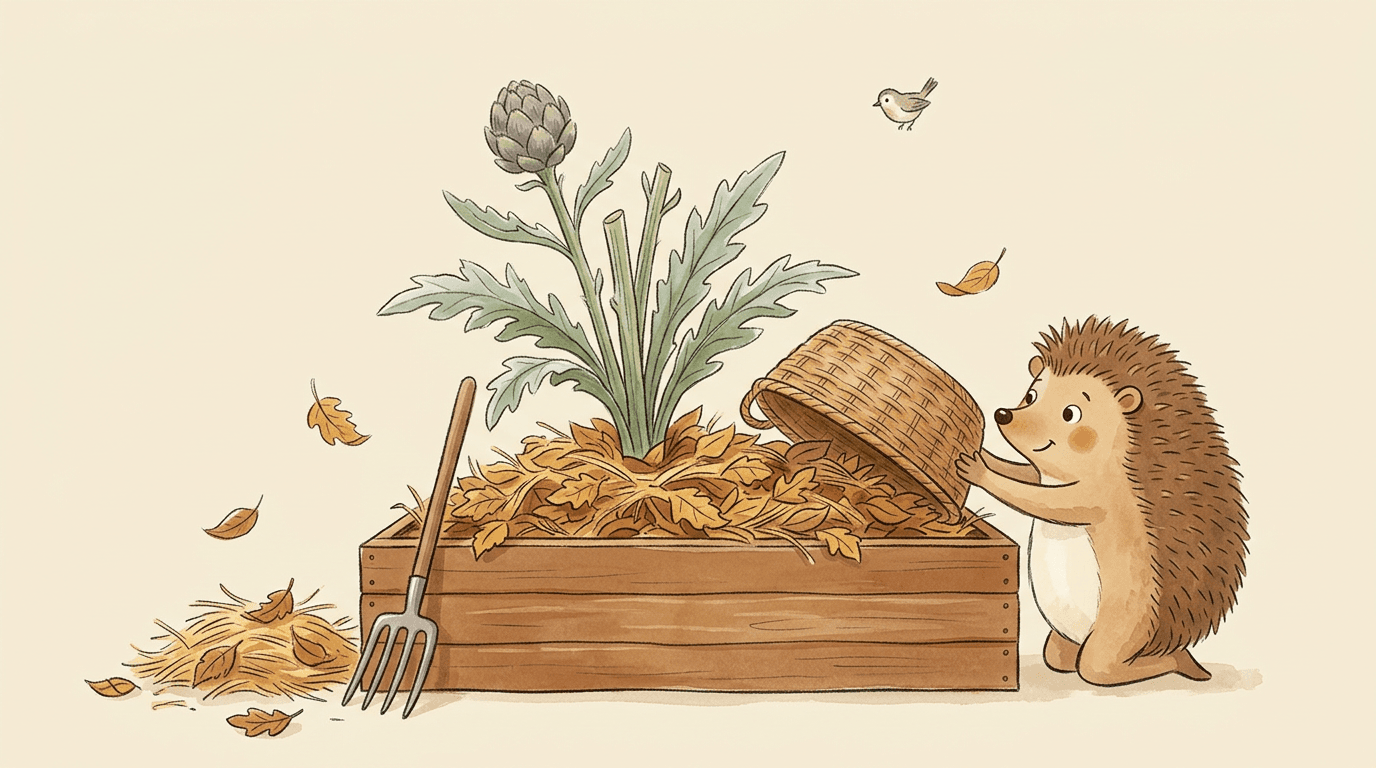
Overwintering artichokes: why they freeze faster in a raised bed than in open ground
Frau Schneider's artichoke grew real buds for the first time this summer – now she's worried the plant won't survive the first hard frost in her raised bed. She's right to worry: raised-bed soil freezes differently from garden soil. Here's how to protect the rootstock properly.